
 EN
EN
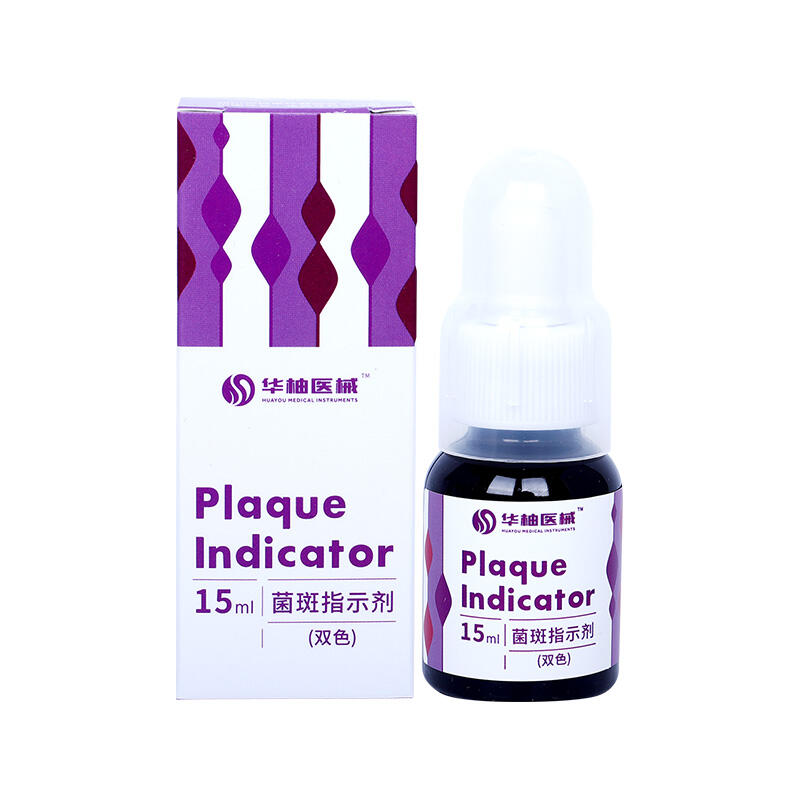
Maintaining optimal oral hygiene requires precise identification of dental plaque accumulation, making plaque indicator solutions an indispensable tool in modern dentistry. These specialized diagnostic agents reveal otherwise invisible bacterial deposits, enabling both dental professionals and patients to achieve superior cleaning results. The effectiveness of any plaque indicator depends heavily on meeting established industry standards that ensure safety, accuracy, and clinical reliability.
The dental industry has evolved significantly in recent decades, with regulatory bodies establishing comprehensive guidelines for oral care products. These standards encompass everything from ingredient safety to manufacturing processes, ensuring that every plaque indicator product delivers consistent performance while maintaining patient safety. Understanding these requirements helps practitioners select appropriate tools and ensures compliance with professional obligations.
Quality assurance in dental diagnostics extends beyond basic functionality to include biocompatibility testing, shelf stability requirements, and precise formulation specifications. Modern plaque indicator solutions must demonstrate effectiveness across diverse patient populations while minimizing adverse reactions. This comprehensive approach to standardization reflects the growing sophistication of dental care and the increasing emphasis on evidence-based treatment protocols.
Regulatory Framework and Compliance Standards
FDA Classification and Requirements
The Food and Drug Administration classifies plaque indicator products as medical devices, subjecting them to rigorous evaluation processes before market approval. Class II medical device designation requires manufacturers to demonstrate substantial equivalence to existing approved products or provide clinical data supporting safety and effectiveness claims. This classification ensures that every plaque indicator meets stringent quality standards before reaching dental practices.
Premarket notification procedures, commonly known as 510(k) submissions, require comprehensive documentation of manufacturing processes, ingredient specifications, and clinical performance data. Manufacturers must provide detailed labeling information, including proper usage instructions, contraindications, and potential adverse effects. These requirements ensure that dental professionals receive complete information necessary for safe and effective product utilization.
Quality system regulations mandate adherence to Good Manufacturing Practices throughout the production process. This includes establishing documented procedures for design controls, risk management, and corrective action protocols. Regular facility inspections verify ongoing compliance with established standards, ensuring consistent product quality across all manufacturing batches of plaque indicator solutions.
International Standards Organization Guidelines
ISO 13485 certification establishes the foundation for quality management systems in medical device manufacturing, including plaque indicator production. This international standard requires comprehensive documentation of all processes affecting product quality, from raw material sourcing to final packaging. Manufacturers must demonstrate continuous improvement protocols and maintain detailed records of quality control activities.
ISO 14155 governs clinical investigation protocols for medical devices, ensuring that plaque indicator efficacy studies follow established scientific methodologies. This standard requires proper study design, patient informed consent procedures, and statistical analysis protocols. Clinical data generated under these guidelines provides reliable evidence of product performance and safety profiles.
Biocompatibility testing according to ISO 10993 standards ensures that plaque indicator formulations do not cause adverse tissue reactions. This comprehensive evaluation includes cytotoxicity testing, sensitization studies, and irritation assessments. These rigorous testing protocols guarantee that products meet the highest safety standards for intraoral use in diverse patient populations.
Chemical Composition and Safety Standards
Active Ingredient Specifications
Erythrosine dye remains the most commonly utilized active ingredient in plaque indicator formulations, requiring compliance with specific purity standards established by pharmaceutical regulatory bodies. The concentration of this FDA-approved colorant must fall within narrow parameters to ensure optimal visualization while minimizing potential staining of dental restorations. Quality control testing verifies consistent dye content across production batches.
Alternative chromogenic compounds, including methylene blue and other approved dyes, must undergo similar rigorous testing to establish safety profiles and effectiveness parameters. Each active ingredient requires comprehensive toxicological evaluation, including acute toxicity studies and long-term exposure assessments. These evaluations ensure that plaque indicator products maintain excellent safety margins during routine clinical use.
Stability testing protocols verify that active ingredients maintain potency throughout the designated shelf life under various storage conditions. Accelerated aging studies simulate extended storage periods, ensuring that plaque indicator solutions retain effectiveness even under challenging environmental conditions. This testing includes evaluation of color intensity, pH stability, and microbiological contamination resistance.
Excipient Quality and Purity
Inactive ingredients in plaque indicator formulations must meet pharmaceutical-grade purity standards to ensure product safety and stability. Preservative systems require careful selection and testing to prevent microbial contamination while avoiding adverse reactions in sensitive patients. Each excipient undergoes comprehensive evaluation for potential interactions with active ingredients and packaging materials.
Solvent systems used in plaque indicator solutions must comply with established safety guidelines for oral exposure. Water quality specifications require adherence to pharmaceutical water standards, including limits on microbial contamination, endotoxin levels, and chemical impurities. These stringent requirements ensure that every component contributes to product safety and effectiveness.
pH buffering systems maintain optimal solution stability while ensuring comfortable patient experience during application. Buffer capacity testing verifies consistent pH maintenance across the product shelf life, preventing degradation of active ingredients or development of irritating conditions. These formulation considerations reflect the sophisticated chemistry required for effective plaque indicator development.
Manufacturing and Quality Control Standards
Production Environment Requirements
Clean room facilities meeting specific environmental standards ensure contamination-free production of plaque indicator solutions. Air quality monitoring, particulate control, and microbial sampling protocols maintain sterile manufacturing conditions throughout the production process. These controlled environments prevent introduction of contaminants that could compromise product safety or effectiveness.
Personnel training programs ensure that manufacturing staff understand proper handling procedures and quality control requirements. Regular competency assessments verify ongoing adherence to established protocols, while continuing education programs keep workers current with evolving industry standards. This human element of quality control proves critical for maintaining consistent product quality.
Equipment validation protocols verify that all manufacturing machinery operates within specified parameters and produces consistent results. Preventive maintenance schedules ensure optimal equipment performance, while calibration procedures maintain measurement accuracy across all quality control testing. These systematic approaches minimize variability in plaque indicator production processes.
Testing and Release Protocols
Raw material testing protocols verify that all incoming ingredients meet established specifications before incorporation into plaque indicator formulations. This includes identity testing, purity analysis, and microbiological evaluation of each component. Rejected materials undergo proper disposal procedures to prevent accidental use in production processes.
In-process monitoring throughout production ensures that manufacturing parameters remain within acceptable limits. Critical control points require documented verification and corrective action procedures when deviations occur. These real-time quality assessments prevent production of substandard plaque indicator batches that could compromise patient safety or treatment effectiveness.
Final product testing encompasses comprehensive evaluation of physical, chemical, and microbiological properties before release for distribution. Batch records document all testing results and manufacturing conditions, providing complete traceability for each plaque indicator lot. Release criteria must demonstrate compliance with all established specifications before products reach dental practices.
Clinical Performance Standards
Efficacy Measurement Protocols
Standardized testing methodologies evaluate plaque indicator effectiveness using established plaque indices and clinical assessment protocols. These studies require trained examiners, calibrated measurement techniques, and statistical analysis plans that ensure reliable results. Clinical trials must demonstrate superior plaque visualization compared to control methods while maintaining acceptable safety profiles.
Comparative effectiveness studies evaluate plaque indicator performance against established gold standards in plaque detection. These investigations require careful study design, appropriate control groups, and validated outcome measures. Results from these studies provide evidence-based support for product claims and help practitioners select optimal diagnostic tools for their specific patient populations.
Long-term performance evaluation assesses plaque indicator effectiveness across diverse patient demographics and clinical conditions. These comprehensive studies include evaluation of product performance in patients with various oral health conditions, different age groups, and diverse cultural backgrounds. Such broad-based evidence ensures universal applicability of plaque indicator solutions in modern dental practice.
Safety Assessment Requirements
Adverse event monitoring systems track potential safety concerns associated with plaque indicator use in clinical settings. These surveillance programs collect data on allergic reactions, tissue irritation, and other unexpected effects. Post-market surveillance ensures ongoing safety monitoring throughout the product lifecycle, enabling rapid response to emerging safety concerns.
Risk assessment protocols evaluate potential hazards associated with plaque indicator use and establish appropriate risk mitigation strategies. These evaluations consider patient vulnerability factors, potential for misuse, and interaction risks with other dental products. Comprehensive risk analysis ensures that safety measures adequately protect patients while maintaining product utility.
Special population studies evaluate plaque indicator safety and effectiveness in vulnerable groups, including pediatric patients, pregnant women, and individuals with compromised immune systems. These targeted investigations provide essential safety data for populations that may require modified usage protocols or additional precautions during plaque indicator application.
Packaging and Labeling Standards
Container Specifications
Primary packaging materials for plaque indicator solutions must demonstrate compatibility with active ingredients throughout the designated shelf life. Container closure integrity testing verifies that packaging systems prevent contamination while maintaining product stability. Materials testing includes evaluation of extractable compounds that could migrate from packaging into the product formulation.
Light protection requirements ensure that photosensitive plaque indicator formulations maintain stability during storage and use. Amber glass or other light-resistant packaging materials prevent degradation of active ingredients that could compromise product effectiveness. These packaging considerations reflect the sophisticated chemistry of modern plaque indicator formulations.
Child-resistant packaging features provide additional safety measures for plaque indicator products intended for home use. These specialized closure systems meet established standards for child resistance while remaining accessible to adult users. Safety testing protocols verify effectiveness of these protective features across diverse user populations and usage scenarios.
Information and Instructions
Product labeling must provide comprehensive usage instructions, safety information, and contraindication warnings in clear, understandable language. Regulatory requirements mandate specific information placement, font size requirements, and multilingual labeling in certain markets. These detailed instructions ensure safe and effective plaque indicator utilization by both professionals and patients.
Batch identification systems enable complete product traceability throughout the distribution chain and clinical use. Lot numbers, expiration dates, and manufacturing codes provide essential information for quality control and adverse event investigation. These identification systems support effective product recalls when necessary and enable targeted safety communications.
Storage and handling instructions specify environmental conditions necessary to maintain plaque indicator effectiveness throughout the product shelf life. Temperature requirements, humidity limitations, and light exposure guidelines ensure optimal product performance when properly stored. These specifications help practitioners maintain product quality in diverse clinical environments.
FAQ
What regulatory approvals are required for plaque indicator products?
Plaque indicator solutions require FDA approval as Class II medical devices through the 510(k) premarket notification process. Manufacturers must demonstrate substantial equivalence to existing approved products or provide clinical data supporting safety and effectiveness claims. International markets may require additional approvals from local regulatory authorities such as Health Canada, European Medicines Agency, or other national health agencies.
How do manufacturers ensure consistent plaque indicator quality across production batches?
Quality assurance protocols include comprehensive raw material testing, in-process monitoring during production, and final product analysis before release. Manufacturing facilities must maintain ISO 13485 certification and adhere to Good Manufacturing Practices throughout the production process. Batch records document all testing results and manufacturing conditions, providing complete traceability for each product lot.
What safety testing is required for plaque indicator formulations?
Biocompatibility testing according to ISO 10993 standards includes cytotoxicity evaluation, sensitization studies, and irritation assessments. Clinical safety studies evaluate adverse event rates in diverse patient populations, while post-market surveillance systems monitor ongoing safety performance. These comprehensive testing protocols ensure that plaque indicator products meet the highest safety standards for intraoral use.
How long do plaque indicator products maintain their effectiveness?
Stability testing protocols establish shelf life specifications based on maintenance of active ingredient potency and product sterility under specified storage conditions. Most plaque indicator solutions maintain effectiveness for 2-3 years when stored according to manufacturer guidelines. Accelerated aging studies simulate extended storage periods to verify product stability throughout the designated shelf life period.