
 EN
EN
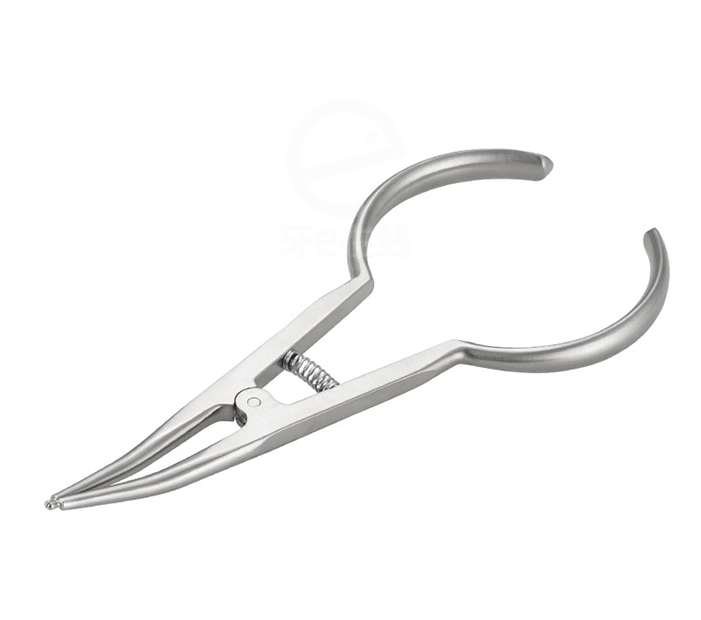
Modern dental practices require precision instruments to ensure safe and effective tooth extractions. Dental extraction tools have evolved significantly over recent years, incorporating advanced materials and ergonomic designs that enhance both practitioner comfort and patient outcomes. These specialized instruments represent a critical investment for any dental clinic seeking to provide comprehensive oral surgical services while maintaining the highest standards of patient care.
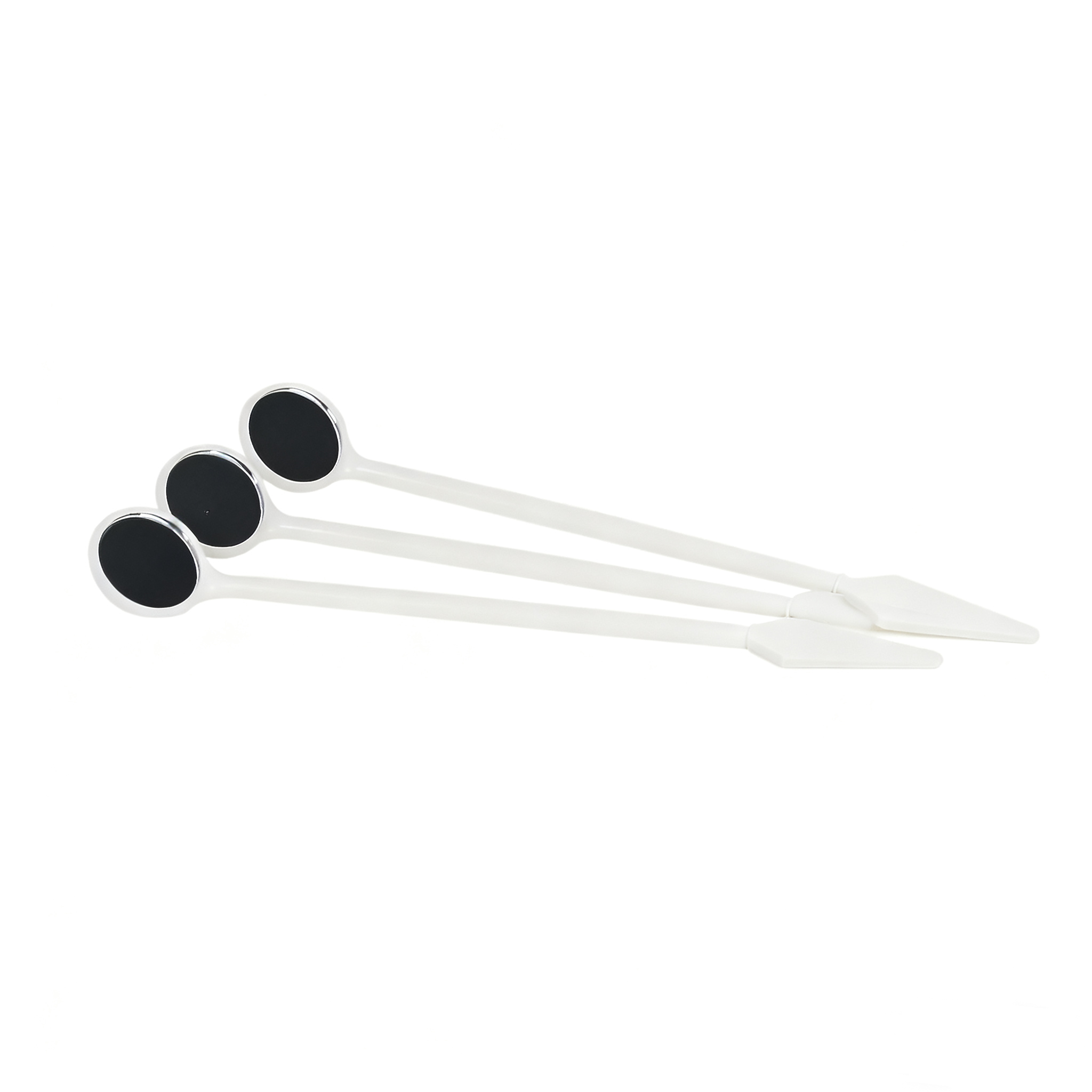
Essential Forceps for Routine Extractions
Universal Forceps Design Principles
Universal forceps represent the foundation of any comprehensive dental extraction tools collection. These versatile instruments feature curved or straight beaks designed to accommodate various tooth anatomies and positions. The precise engineering of universal forceps ensures optimal grip strength while minimizing tissue trauma during extraction procedures. Modern universal forceps incorporate enhanced steel alloys that resist corrosion and maintain sharp edges throughout extended clinical use.
The ergonomic handle design of contemporary universal forceps reduces hand fatigue during lengthy procedures. Many manufacturers now offer textured grip surfaces and balanced weight distribution to improve control and precision. These design improvements directly translate to better patient experiences and reduced procedural complications when extracting teeth across different quadrants of the mouth.
Specialized Tooth-Specific Forceps
Each tooth type requires specific forceps geometry for optimal extraction results. Anterior teeth benefit from straight forceps with narrow beaks, while posterior molars require angled forceps with broader gripping surfaces. The selection of appropriate dental extraction tools based on tooth morphology significantly impacts extraction success rates and healing outcomes.
Maxillary and mandibular teeth present unique anatomical challenges that specialized forceps address through targeted design features. Maxillary forceps typically feature curved handles to accommodate upper jaw access angles, while mandibular forceps incorporate straighter profiles for lower jaw procedures. This anatomical specificity ensures that practitioners can maintain proper leverage and control throughout the extraction process.
Elevators and Luxators for Tissue Management
Straight and Curved Elevator Applications
Dental elevators serve as preliminary instruments that loosen periodontal ligaments before forceps application. These specialized tools create controlled tissue separation that facilitates easier tooth removal while preserving surrounding bone structure. The variety of elevator designs allows practitioners to address different clinical scenarios with appropriate instrument selection.
Straight elevators work effectively for accessing interproximal spaces and creating initial tooth mobility. Curved elevators provide enhanced access to posterior regions where straight instruments cannot achieve optimal positioning. The proper sequencing of elevator use significantly improves the efficiency of dental extraction tools throughout the complete extraction procedure.
Luxator Benefits for Atraumatic Extractions
Luxators represent advanced dental extraction tools designed specifically for minimally invasive tooth removal. These instruments feature thin, sharp blades that can penetrate narrow periodontal ligament spaces with minimal force application. The precision cutting action of luxators preserves alveolar bone integrity while achieving effective tooth mobilization.
The atraumatic approach enabled by luxators reduces post-operative complications and accelerates healing timelines. Patients experience less discomfort and swelling when luxators are properly incorporated into extraction protocols. This technology particularly benefits complex cases involving compromised teeth or patients with healing concerns.
Advanced Surgical Extraction Instruments
High-Speed Handpiece Applications
Complex extractions often require sectioning techniques that depend on high-speed rotary instruments. These advanced dental extraction tools enable precise bone removal and tooth sectioning procedures that would be impossible with manual instruments alone. The integration of irrigation systems prevents thermal damage while maintaining clear surgical visibility.
Modern high-speed handpieces offer variable torque settings that adapt to different bone densities and clinical requirements. The precision control available through these instruments allows practitioners to remove minimal amounts of bone while achieving complete tooth access. This conservative approach preserves anatomical structures essential for future restorative procedures.
Bone Removal and Contouring Tools
Surgical extractions frequently require bone modification to access impacted or broken teeth. Specialized burs and chisels within the dental extraction tools arsenal enable controlled bone removal while maintaining anatomical integrity. These instruments must balance cutting efficiency with tissue preservation to optimize healing outcomes.
The selection of appropriate bone removal instruments depends on bone density, access limitations, and proximity to vital structures. Carbide and diamond-coated burs offer different cutting characteristics suitable for various clinical scenarios. Proper irrigation and debris management during bone removal procedures prevents complications and ensures optimal surgical results.
Hemostatic and Wound Management Tools
Suction and Irrigation Systems
Effective fluid management during extractions requires reliable suction and irrigation capabilities. These supportive dental extraction tools maintain clear surgical fields while removing blood and debris that could compromise procedural visibility. Modern suction systems offer variable pressure settings that adapt to different procedural requirements.
Irrigation systems provide continuous wound lavage that removes bacterial contaminants and loose tissue fragments. The temperature and pressure control available in contemporary systems ensures patient comfort while achieving thorough wound cleansing. These systems integrate seamlessly with other dental extraction tools to create comprehensive surgical environments.
Hemostatic Agents and Materials
Bleeding control represents a critical aspect of successful extractions that requires appropriate hemostatic materials. These specialized products work in conjunction with traditional dental extraction tools to achieve rapid hemostasis and promote healing. The variety of available hemostatic agents allows practitioners to select products appropriate for specific clinical situations.
Resorbable hemostatic materials eliminate the need for removal procedures while providing sustained bleeding control. These materials integrate into natural healing processes without interfering with bone regeneration or soft tissue repair. The convenience and effectiveness of modern hemostatic agents significantly improve patient outcomes and procedural efficiency.
Maintenance and Sterilization Protocols
Proper Instrument Care Procedures
The longevity and performance of dental extraction tools depend heavily on appropriate maintenance protocols. Regular cleaning, inspection, and sharpening procedures ensure that instruments maintain optimal functionality throughout their service life. These maintenance activities directly impact procedural success rates and patient safety outcomes.
Ultrasonic cleaning systems provide thorough debris removal from complex instrument geometries that manual cleaning cannot address effectively. The combination of chemical and mechanical cleaning action ensures complete biofilm removal while preserving instrument surfaces. These automated systems reduce staff workload while improving cleaning consistency and effectiveness.
Sterilization Standards and Compliance
Modern dental extraction tools must undergo validated sterilization processes that eliminate all microbial contamination. Steam autoclaving remains the gold standard for most metal instruments, while specialized materials may require alternative sterilization methods. Compliance with established sterilization protocols protects both patients and staff from cross-contamination risks.
Documentation and monitoring of sterilization cycles ensures regulatory compliance and quality assurance. Digital monitoring systems provide automated record-keeping that simplifies compliance management while identifying potential equipment problems before they compromise patient safety. These systems represent essential components of modern infection control programs.
Economic Considerations and Practice Management
Cost-Benefit Analysis for Instrument Investment
The financial investment required for comprehensive dental extraction tools collections must be balanced against procedural revenue and patient satisfaction benefits. High-quality instruments typically offer superior durability and performance that justify their initial cost through extended service life and improved clinical outcomes.
Practice efficiency improvements achieved through appropriate dental extraction tools selection can significantly impact overall profitability. Reduced procedural times, fewer complications, and improved patient experiences contribute to practice growth and reputation enhancement. These factors should be considered when evaluating instrument acquisition decisions.
Staff Training and Competency Development
Effective utilization of advanced dental extraction tools requires comprehensive staff training programs that ensure proper technique development. Investment in continuing education demonstrates commitment to excellence while maximizing the value of instrument acquisitions. Well-trained staff members can fully utilize instrument capabilities while maintaining safety standards.
Regular competency assessments help identify areas for additional training while ensuring consistent application of best practices. These evaluations protect both patients and practices from liability concerns while promoting professional development. The combination of quality instruments and skilled operators produces optimal clinical results.
Technology Integration and Future Developments
Digital Planning and Guided Surgery
Contemporary dental extraction tools increasingly integrate with digital planning systems that enhance procedural predictability and safety. Three-dimensional imaging and computer-guided surgery platforms provide unprecedented precision in treatment planning and execution. These technologies represent the future direction of oral surgery practice.
Guided surgery protocols reduce procedural complications while improving patient experiences through minimally invasive techniques. The combination of advanced planning software and precision dental extraction tools enables predictable outcomes even in complex clinical scenarios. This integration represents a significant advancement in oral surgical care delivery.
Material Science Innovations
Ongoing research in metallurgy and surface engineering continues to improve dental extraction tools performance and durability. New alloy compositions offer enhanced corrosion resistance and edge retention while maintaining the strength characteristics required for clinical applications. These improvements directly benefit practitioners through reduced instrument replacement costs and improved performance.
Surface treatments and coatings provide additional benefits including reduced friction, improved biocompatibility, and enhanced cleaning characteristics. These innovations address practical clinical challenges while extending instrument service life. The continuous evolution of material science ensures that dental extraction tools will continue improving in both performance and value.
FAQ
How often should dental extraction tools be replaced or serviced
Dental extraction tools should undergo regular inspection after each use, with professional sharpening and maintenance performed every 6-12 months depending on usage frequency. High-quality instruments can last 10-15 years with proper care, while disposable items should be replaced according to manufacturer guidelines. Signs of wear, corrosion, or performance degradation indicate the need for immediate replacement or professional restoration.
What sterilization method works best for different types of extraction instruments
Steam autoclaving at 121°C for 15-20 minutes remains the preferred sterilization method for most metal dental extraction tools. Instruments with complex geometries may require extended exposure times or pre-cleaning with ultrasonic systems. Heat-sensitive materials require alternative methods such as ethylene oxide or hydrogen peroxide plasma sterilization to prevent damage while ensuring complete microbial elimination.
Which dental extraction tools are most important for a new practice starting out
New dental practices should prioritize universal forceps, basic elevators, and hemostatic supplies as their foundational dental extraction tools collection. A complete set of maxillary and mandibular forceps covers most routine extraction needs, while straight and angled elevators provide essential tissue management capabilities. Additional specialized instruments can be added as case complexity and practice volume increase over time.
How can practitioners determine the appropriate dental extraction tools for specific procedures
Instrument selection depends on factors including tooth type, position, root morphology, and surrounding bone density. Radiographic evaluation and clinical examination guide the choice of appropriate dental extraction tools for each specific case. Continuing education courses and manufacturer training programs help practitioners develop the expertise needed to make optimal instrument selections for various clinical scenarios.
Table of Contents
- Essential Forceps for Routine Extractions
- Elevators and Luxators for Tissue Management
- Advanced Surgical Extraction Instruments
- Hemostatic and Wound Management Tools
- Maintenance and Sterilization Protocols
- Economic Considerations and Practice Management
- Technology Integration and Future Developments
-
FAQ
- How often should dental extraction tools be replaced or serviced
- What sterilization method works best for different types of extraction instruments
- Which dental extraction tools are most important for a new practice starting out
- How can practitioners determine the appropriate dental extraction tools for specific procedures