
 EN
EN
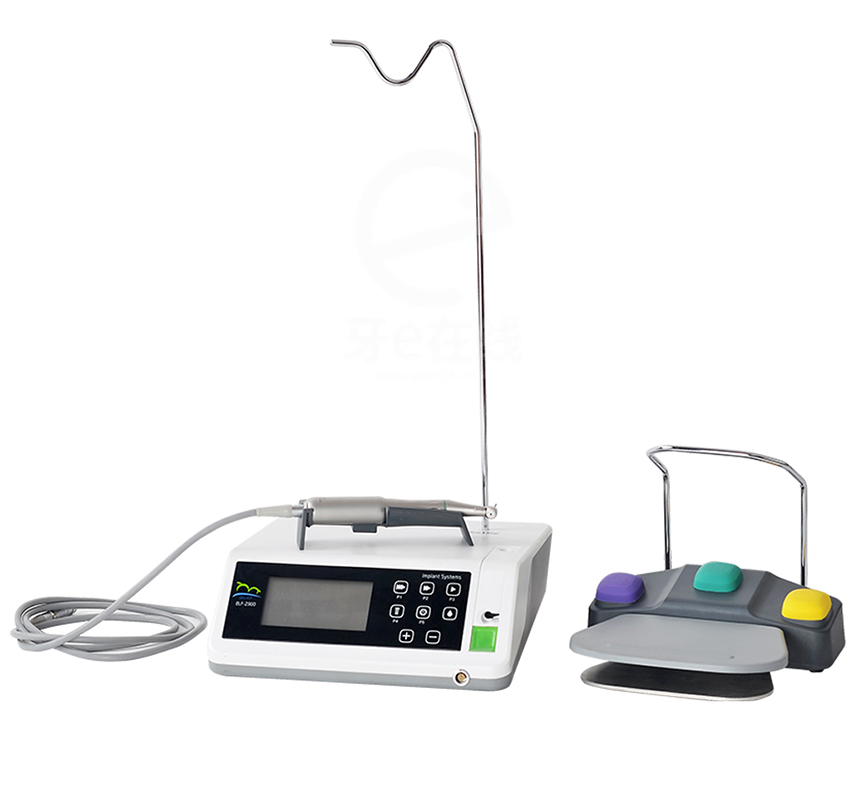
Modern oral hygiene has evolved significantly beyond the traditional toothbrush and floss combination that dominated dental care for decades. Today's dental professionals and health-conscious consumers are increasingly turning to specialized equipment designed to target plaque buildup more effectively than conventional methods alone. The question of whether traditional flossing remains sufficient or if advanced solutions provide superior results has become a central debate in preventive dentistry, particularly as new technologies continue to emerge in the marketplace.

Understanding the fundamental differences between traditional flossing techniques and modern plaque removal technologies requires examining both their mechanisms of action and clinical effectiveness. Traditional dental floss works through mechanical disruption of bacterial biofilms between teeth, while contemporary tools often employ multiple approaches including water pressure, ultrasonic vibrations, or chemical indicators to achieve more comprehensive cleaning results. This comparison becomes increasingly relevant as dental research continues to demonstrate the critical relationship between effective plaque removal and long-term oral health outcomes.
The evolution of oral care technology reflects growing awareness that plaque accumulation patterns vary significantly among individuals based on factors including tooth alignment, saliva composition, dietary habits, and genetic predisposition to periodontal disease. These variations suggest that a one-size-fits-all approach to plaque management may not optimize outcomes for all patients, leading many dental professionals to recommend personalized hygiene protocols that incorporate both traditional and modern techniques.
Understanding Traditional Flossing Methods
Mechanical Action and Effectiveness
Traditional dental floss operates through direct mechanical contact with plaque deposits, physically disrupting the bacterial matrix that forms along the gum line and between teeth. This mechanical action proves particularly effective for removing food particles and loose plaque that has not yet mineralized into tartar. The string-like structure of conventional floss allows it to conform to the natural contours of teeth and reach areas that toothbrush bristles cannot access effectively.
Research conducted by the American Dental Association demonstrates that proper flossing technique can remove up to 80% of plaque from interdental spaces when performed correctly. However, studies also reveal that many individuals struggle with proper technique, often applying insufficient pressure or failing to curve the floss around each tooth surface adequately. These technique variations significantly impact the overall effectiveness of traditional flossing as a plaque control method.
Limitations of Conventional Flossing
Despite its proven benefits, traditional flossing presents several inherent limitations that may compromise optimal plaque removal outcomes. The manual dexterity required for effective flossing proves challenging for individuals with arthritis, limited mobility, or orthodontic appliances that complicate access to interdental spaces. Additionally, conventional floss cannot effectively remove plaque from areas with irregular tooth spacing or complex restorative work.
Another significant limitation involves the inability of traditional floss to provide visual feedback about plaque removal effectiveness. Users must rely on tactile sensations to determine whether they have adequately cleaned each area, which often leads to inconsistent results and missed deposits. This lack of immediate feedback can result in false confidence about oral hygiene effectiveness while allowing harmful bacterial accumulations to persist.
Advanced Dental Plaque Removal Tool Technologies
Water Flossers and Irrigation Systems
Water flossers represent one of the most widely adopted alternatives to traditional string floss, utilizing pressurized water streams to dislodge plaque and debris from interdental spaces and subgingival areas. These devices can reach deeper into periodontal pockets than conventional floss, making them particularly beneficial for individuals with gingivitis or early-stage periodontal disease. Clinical studies indicate that water flossers can reduce bleeding and inflammation more effectively than traditional flossing alone.
The pulsating action of water flossers provides additional benefits beyond simple mechanical cleaning, as the pressure variations help stimulate blood circulation in gingival tissues and promote healing in inflamed areas. Many models allow users to adjust pressure settings and add antimicrobial solutions to enhance cleaning effectiveness. However, water flossers may not remove adherent plaque as effectively as string floss in some situations, suggesting that combination approaches might yield optimal results.
Ultrasonic and Electric Cleaning Devices
Ultrasonic cleaning devices employ high-frequency vibrations to disrupt bacterial biofilms and remove plaque through cavitation effects that occur when sound waves interact with fluids in the oral cavity. These devices can reach areas that traditional cleaning methods might miss and provide thorough cleaning with minimal manual effort. The ultrasonic action proves particularly effective against mature biofilms that have become resistant to conventional mechanical removal methods.
Electric interdental brushes offer another technological advancement over traditional flossing, combining mechanical action with consistent movement patterns that ensure more uniform plaque removal. These devices often feature specialized tips designed for specific oral conditions and can be particularly beneficial for individuals with implants, bridges, or other restorative work that complicates traditional flossing techniques. The consistent motion provided by electric devices helps eliminate the technique variability that often compromises manual flossing effectiveness.
Plaque Detection and Visualization Tools
Chemical Indicator Systems
One of the most significant advances in home oral care involves the development of plaque detection systems that provide visual feedback about cleaning effectiveness. These systems typically employ food-safe dyes that selectively bind to bacterial deposits, revealing areas where plaque accumulation persists despite regular cleaning efforts. This immediate visual feedback allows users to identify problem areas and adjust their cleaning technique accordingly.
Chemical indicators prove particularly valuable for educational purposes, helping users understand their individual plaque accumulation patterns and identify areas that require additional attention during routine cleaning. Many dental professionals now recommend periodic use of these indicators as part of comprehensive home care protocols, especially for patients with recurring dental issues or those learning proper oral hygiene techniques. The ability to see exactly where plaque remains after cleaning provides motivation for improved technique and more consistent results.
Professional-Grade Detection Methods
Advanced plaque detection technologies used in professional dental settings include fluorescent systems that highlight bacterial deposits under specific lighting conditions and digital imaging systems that can quantify plaque coverage across tooth surfaces. These professional tools provide precise measurements of plaque removal effectiveness and help dental professionals customize home care recommendations based on individual patient needs and response patterns.
The integration of professional detection methods with home care protocols creates opportunities for more precise monitoring of oral hygiene effectiveness over time. Some patients now use simplified versions of professional detection tools at home, allowing them to track their progress and make informed adjustments to their cleaning routines. This combination of professional assessment and home monitoring represents a significant advancement in personalized oral care management.
Comparative Clinical Effectiveness
Research-Based Performance Analysis
Multiple clinical studies have compared the effectiveness of traditional flossing with various modern Dental Plaque Removal Tool options, revealing complex patterns of relative effectiveness that depend on individual factors and specific oral conditions. Research consistently demonstrates that no single method proves universally superior across all patient populations and clinical scenarios. Instead, effectiveness varies based on factors including patient compliance, technique proficiency, and specific oral anatomy characteristics.
Studies focusing on gingivitis reduction show that water flossers often outperform traditional string floss in reducing inflammation and bleeding, particularly in patients with existing periodontal issues. However, research examining plaque removal efficiency indicates that traditional floss may be more effective at removing adherent bacterial deposits in tight interdental spaces. These findings suggest that optimal outcomes may require combining multiple approaches rather than relying on any single method.
Long-Term Oral Health Outcomes
Longitudinal studies examining long-term oral health outcomes reveal that consistent use of any effective plaque removal method produces better results than sporadic use of theoretically superior techniques. Patient compliance emerges as a critical factor that often outweighs minor differences in technical effectiveness between various cleaning methods. This finding emphasizes the importance of selecting cleaning tools and techniques that patients will use consistently over time.
The most successful long-term oral health outcomes appear to result from personalized protocols that combine multiple plaque removal approaches based on individual risk factors, preferences, and clinical needs. Dental professionals increasingly recommend hybrid approaches that might include traditional flossing for certain areas, water flossing for others, and periodic use of detection systems to monitor overall effectiveness. This personalized approach acknowledges that optimal oral hygiene requires adaptation to individual circumstances rather than universal application of standardized techniques.
Cost-Benefit Analysis and Practical Considerations
Financial Investment Comparison
The initial cost difference between traditional floss and modern plaque removal devices ranges from minimal to substantial depending on the specific technology chosen. Basic dental floss costs pennies per use, while advanced electric or ultrasonic devices may require initial investments of several hundred dollars plus ongoing costs for replacement tips and maintenance. However, this simple cost comparison fails to account for potential long-term savings from improved oral health outcomes and reduced need for professional dental treatments.
Economic analyses that include potential costs of periodontal treatment, tooth replacement, and other consequences of inadequate plaque control often favor the initial investment in effective cleaning tools. Insurance coverage for preventive devices varies significantly, but many dental insurance plans now recognize the cost-effectiveness of supporting patient access to proven plaque removal technologies. The key consideration involves matching the investment level to individual risk factors and likelihood of consistent use.
Convenience and Accessibility Factors
Practical considerations often prove more influential than technical effectiveness in determining long-term success with any plaque removal protocol. Traditional floss offers unmatched portability and requires no power source or maintenance, making it ideal for travel and situations where access to modern devices might be limited. However, many users find traditional flossing technique challenging to master and maintain consistently over time.
Modern devices often provide more consistent results with less technique-dependent variation, but they require charging, maintenance, and replacement parts that may complicate long-term use. The convenience factor varies significantly among individuals based on lifestyle factors, travel patterns, and personal preferences. Successful oral hygiene protocols often incorporate both traditional and modern tools to ensure consistent plaque removal regardless of circumstances.
Professional Recommendations and Guidelines
Evidence-Based Clinical Protocols
Current clinical guidelines from major dental organizations emphasize the importance of individualized plaque removal protocols rather than universal recommendations for specific tools or techniques. Professional assessment of individual risk factors, oral anatomy, and existing conditions should guide selection of appropriate cleaning methods and frequencies. This personalized approach recognizes that effective plaque control requires adaptation to specific patient needs and circumstances.
Many dental professionals now recommend combination protocols that integrate traditional methods with modern technologies to optimize both effectiveness and patient compliance. These protocols might include daily use of traditional or modern cleaning tools supplemented by periodic use of plaque detection systems to monitor results and adjust techniques as needed. Regular professional monitoring ensures that home care protocols remain effective and appropriate as oral conditions change over time.
Patient Education and Training
Effective implementation of any plaque removal protocol requires adequate patient education and training regardless of the specific tools selected. Dental professionals emphasize that proper technique often matters more than the specific tools used, and that even the most advanced devices will prove ineffective without proper understanding of their correct application. Training programs should address both technical aspects of tool use and understanding of individual plaque accumulation patterns.
Ongoing education and reinforcement prove essential for maintaining long-term effectiveness of any oral hygiene protocol. Regular dental visits should include assessment of technique effectiveness and adjustment of recommendations based on observed outcomes and changing patient needs. This dynamic approach ensures that plaque removal strategies continue to evolve and improve over time rather than remaining static once initially established.
FAQ
Can modern plaque removal tools completely replace traditional flossing?
Modern plaque removal tools cannot universally replace traditional flossing for all individuals and situations. While devices like water flossers and ultrasonic cleaners offer significant advantages in certain circumstances, traditional floss remains superior for removing adherent plaque in tight interdental spaces and provides reliable cleaning without dependence on power sources or maintenance requirements. Most dental professionals recommend combination approaches that utilize both traditional and modern methods based on individual needs and circumstances.
How often should I use plaque detection indicators to monitor cleaning effectiveness?
Plaque detection indicators should typically be used once or twice monthly for most individuals, with more frequent use recommended during the initial learning phase of new cleaning techniques or following changes to oral hygiene protocols. Overuse of detection systems may cause tooth staining or sensitivity, while underuse fails to provide adequate feedback for technique improvement. Patients with higher risk factors for periodontal disease may benefit from weekly monitoring under professional guidance.
Which type of dental plaque removal tool works best for people with braces or dental implants?
Water flossers and specialized interdental brushes generally prove most effective for individuals with orthodontic appliances or dental implants, as these devices can navigate around hardware more easily than traditional string floss. Ultrasonic devices may also provide benefits for cleaning around complex restorative work. However, the specific choice should always be made in consultation with dental professionals who can assess individual circumstances and provide appropriate training for safe and effective use around dental hardware.
Do I need to invest in expensive equipment to achieve optimal plaque removal?
Optimal plaque removal does not necessarily require expensive equipment, as proper technique with traditional tools can achieve excellent results for many individuals. The key factors involve consistency of use, proper technique, and selection of methods appropriate for individual oral anatomy and risk factors. While advanced devices may provide benefits for certain patients or conditions, the most important investment involves time and effort in learning and maintaining effective cleaning habits regardless of the specific tools used.
Table of Contents
- Understanding Traditional Flossing Methods
- Advanced Dental Plaque Removal Tool Technologies
- Plaque Detection and Visualization Tools
- Comparative Clinical Effectiveness
- Cost-Benefit Analysis and Practical Considerations
- Professional Recommendations and Guidelines
-
FAQ
- Can modern plaque removal tools completely replace traditional flossing?
- How often should I use plaque detection indicators to monitor cleaning effectiveness?
- Which type of dental plaque removal tool works best for people with braces or dental implants?
- Do I need to invest in expensive equipment to achieve optimal plaque removal?