 EN
EN
When choosing between dental implants and traditional dentures, patients often face a complex decision that impacts their oral health, lifestyle, and budget for years to come. Both options serve the essential purpose of replacing missing teeth, but they differ significantly in terms of procedure, maintenance, longevity, and overall patient experience. Understanding these differences is crucial for making an informed decision that aligns with your specific needs and circumstances. Modern dental technology has evolved considerably, offering improved solutions for both implants and dentures, including advanced cleaning methods and maintenance products that enhance the longevity and hygiene of these dental prosthetics.
Understanding Dental Implants and Their Benefits
The Implant Procedure and Structure
Dental implants represent a permanent solution for tooth replacement that involves surgically placing a titanium post into the jawbone, which then serves as an artificial tooth root. This post integrates with the bone through a process called osseointegration, creating a stable foundation for a crown, bridge, or denture. The entire process typically takes several months, as the implant must fully heal and integrate with the surrounding bone tissue before the final restoration can be placed. This surgical approach requires adequate bone density and healthy gums to ensure successful implantation and long-term stability.
The three-component structure of dental implants includes the implant post, abutment, and crown or prosthetic tooth. The titanium post acts as the root, the abutment connects the post to the visible portion, and the crown provides the functional and aesthetic replacement tooth. This design mimics natural tooth structure more closely than any other tooth replacement option, providing superior stability and function. The biocompatible materials used in modern implants have excellent success rates, with proper care and maintenance leading to decades of reliable service.
Advantages of Dental Implants
Dental implants offer numerous advantages that make them an attractive option for many patients seeking tooth replacement. The most significant benefit is their ability to preserve jawbone density by providing the stimulation that natural tooth roots once provided. Without this stimulation, the jawbone gradually deteriorates after tooth loss, leading to changes in facial structure and potential complications with other teeth. Implants halt this process and maintain the integrity of the facial skeleton.
The stability and functionality of dental implants closely mirror natural teeth, allowing patients to eat, speak, and smile with confidence. Unlike traditional dentures, implants do not slip or move during eating or speaking, eliminating the embarrassment and discomfort associated with loose prosthetics. Additionally, implants do not require special adhesives or cleaning solutions beyond regular oral hygiene practices, making them more convenient for daily maintenance compared to removable dentures that may require denture cleaning tablets and other specialized care products.
Traditional Dentures Overview and Characteristics
Types and Construction of Dentures
Traditional dentures come in two primary forms: complete dentures for patients who have lost all their teeth, and partial dentures for those missing some teeth but retaining healthy natural teeth. Complete dentures replace an entire arch of teeth and rely on suction, adhesives, and the natural contours of the mouth for retention. Partial dentures typically use clasps or attachments to connect to remaining natural teeth, providing additional stability and support.
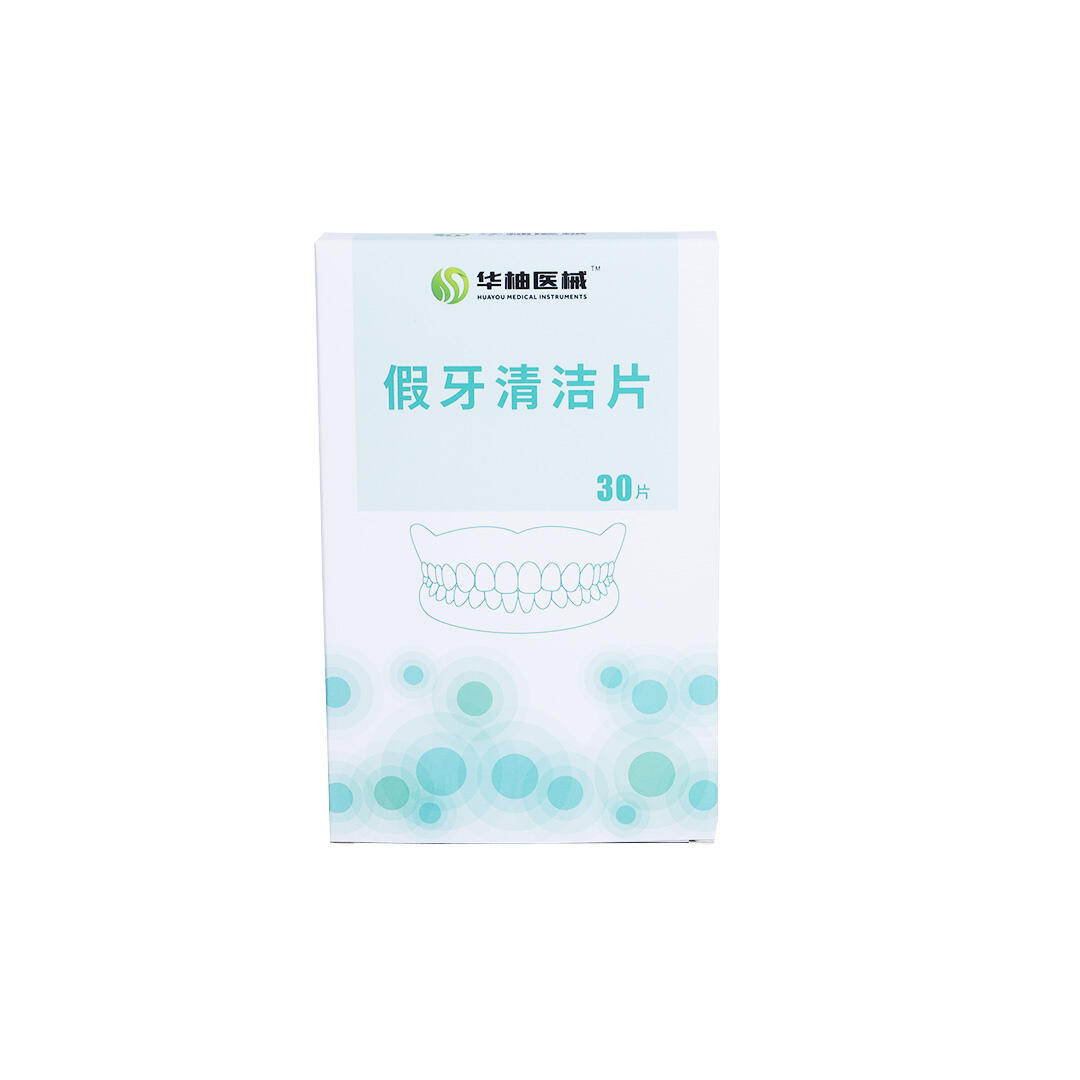
Modern dentures are crafted from advanced materials including high-quality acrylic resins and porcelain that closely mimic the appearance of natural teeth and gums. The construction process involves taking detailed impressions of the mouth, creating custom molds, and carefully fitting the prosthetic to ensure proper alignment and comfort. Despite these improvements in materials and techniques, dentures remain a removable solution that requires daily cleaning and maintenance, including the use of specialized products like denture cleaning tablets to maintain hygiene and prevent bacterial buildup.
Benefits and Limitations of Traditional Dentures
Traditional dentures offer several advantages, particularly in terms of initial cost and treatment time. The process of receiving dentures is generally less invasive than implant surgery and can be completed in a matter of weeks rather than months. This makes dentures an attractive option for patients who need immediate tooth replacement or those who cannot undergo surgical procedures due to health conditions or insufficient bone density. Additionally, dentures can be adjusted, repaired, or replaced more easily than implants if changes are needed.
However, traditional dentures also present certain limitations that patients must consider. The most significant challenge is the gradual bone loss that occurs in the absence of tooth roots, which can cause dentures to become loose over time and require frequent adjustments or replacements. Dentures also require diligent daily cleaning routines, including soaking in cleaning solutions and using denture cleaning tablets to eliminate bacteria and maintain freshness. Some patients experience difficulty with certain foods, reduced taste sensation, and concerns about denture stability during social situations.
Comparative Analysis of Cost and Longevity
Initial Investment and Long-term Costs
The financial consideration represents one of the most significant factors in choosing between dental implants and traditional dentures. Dental implants typically require a substantial initial investment, with single implants costing several thousand dollars each, and full-mouth implant restorations reaching tens of thousands of dollars. This upfront cost can be prohibitive for many patients, especially when multiple teeth need replacement. Insurance coverage for implants varies widely, with many plans providing limited or no coverage for implant procedures.
Traditional dentures present a more affordable initial option, with complete sets costing significantly less than implant-supported restorations. However, the long-term financial picture becomes more complex when considering maintenance, adjustments, and replacements. Dentures typically need replacement every seven to ten years, require regular professional adjustments, and ongoing costs for cleaning supplies including denture cleaning tablets, adhesives, and other maintenance products. When calculated over decades of use, the cumulative cost of dentures can approach or exceed the initial investment in dental implants.
Durability and Replacement Considerations
Dental implants are designed as a permanent solution and, with proper care, can last a lifetime. The titanium posts rarely fail once successfully integrated, and while the crowns or prosthetic components may need replacement after 15-20 years due to normal wear, the implant itself typically remains stable indefinitely. This longevity makes implants an excellent long-term investment for patients who can afford the initial cost and are good candidates for the surgical procedure.
Traditional dentures have a more predictable replacement schedule, typically requiring new dentures every seven to ten years as the mouth changes shape due to bone resorption. Even high-quality dentures experience wear from daily use and cleaning, including regular maintenance with denture cleaning tablets and other care products. The ongoing need for adjustments, relines, and eventual replacement means that denture wearers must budget for these recurring costs throughout their lifetime, making the total cost of ownership higher than initially apparent.
Lifestyle Impact and Daily Maintenance
Eating and Speaking Functionality
The functional differences between dental implants and traditional dentures become most apparent during eating and speaking activities. Dental implants provide bite force nearly equivalent to natural teeth, allowing patients to enjoy all types of foods without restriction. Hard, sticky, or chewy foods that can be problematic for denture wearers pose no challenge for implant patients. This freedom in food choices contributes to better nutrition and overall quality of life, as patients do not need to avoid healthy but difficult-to-chew foods like raw vegetables, nuts, or lean meats.
Traditional dentures, while functional for most foods, do impose certain dietary limitations. Sticky foods like caramel or chewing gum can dislodge dentures, while hard foods may cause discomfort or damage to the prosthetic. Additionally, some patients experience reduced taste sensation due to the palate coverage of upper dentures. Speaking clearly with new dentures requires an adjustment period, and some patients may continue to experience minor speech changes. The daily cleaning routine for dentures, including the use of denture cleaning tablets and proper soaking procedures, adds to the maintenance requirements but is essential for oral health and prosthetic longevity.
Daily Care and Maintenance Requirements
The daily maintenance routines for dental implants and traditional dentures differ significantly in complexity and time requirements. Dental implants require the same basic oral hygiene practices as natural teeth: regular brushing, flossing, and professional cleanings. Some patients may benefit from specialized floss or interdental brushes to clean around the implant posts effectively, but the overall routine remains similar to caring for natural teeth. This simplicity is particularly appealing to patients who want to maintain their established oral hygiene habits.
Traditional dentures demand a more comprehensive and time-consuming daily care routine. Dentures must be removed nightly for thorough cleaning, including brushing with non-abrasive cleaners and soaking in solutions that often contain denture cleaning tablets to eliminate bacteria and maintain freshness. The mouth must also be cleaned before reinserting the dentures each morning. Additionally, dentures require careful handling to prevent breakage, proper storage in moisture when removed, and regular professional adjustments to maintain proper fit as the mouth changes over time.
Health Considerations and Oral Impact
Bone Preservation and Jaw Health
One of the most significant long-term health differences between dental implants and traditional dentures relates to bone preservation in the jaw. When natural teeth are lost, the lack of root stimulation causes the underlying jawbone to gradually resorb or shrink away. This process, known as resorption, occurs continuously and irreversibly with traditional dentures, leading to changes in facial appearance, jaw alignment, and overall oral health over time. The effects become more pronounced with each passing year, potentially affecting the fit of existing dentures and complicating future dental treatments.
Dental implants actively combat bone loss by providing the mechanical stimulation that natural tooth roots once delivered to the jawbone. This stimulation maintains bone density and preserves the natural contours of the face and jaw. Patients with dental implants typically maintain better long-term oral health and facial structure compared to those with traditional dentures. The preservation of bone also keeps options open for future dental treatments and maintains the structural integrity necessary for optimal oral function throughout the patient's lifetime.
Oral Hygiene and Infection Prevention
The impact on oral hygiene and infection prevention varies considerably between dental implants and traditional dentures. Dental implants, when properly maintained, integrate seamlessly with the natural oral environment and do not create additional spaces for bacterial accumulation. However, patients must maintain excellent oral hygiene around implants to prevent peri-implantitis, a condition similar to gum disease that can threaten implant stability. Regular professional cleanings and consistent home care are essential for long-term implant success.
Traditional dentures create unique oral hygiene challenges that require specialized attention and products. The prosthetic materials can harbor bacteria and fungi if not properly cleaned, potentially leading to oral infections, bad breath, and tissue irritation. Daily cleaning with appropriate products, including denture cleaning tablets that effectively eliminate microorganisms, is crucial for maintaining oral health. Additionally, the tissues under dentures need daily cleaning and rest periods to prevent irritation and maintain healthy circulation. Poor denture hygiene can lead to serious complications including oral thrush, tissue inflammation, and accelerated bone loss.
Candidacy and Treatment Planning
Medical and Anatomical Requirements
Determining candidacy for dental implants versus traditional dentures involves careful evaluation of multiple medical and anatomical factors. Dental implant candidates must have adequate bone density and volume in the jaw to support the implant posts, healthy gums free from active periodontal disease, and overall good health to undergo surgical procedures and heal properly. Certain medical conditions such as uncontrolled diabetes, active cancer treatment, or heavy smoking can compromise healing and reduce implant success rates, making traditional dentures a more suitable option for these patients.
Age alone does not disqualify patients from either treatment option, but younger patients may benefit more from the long-term advantages of dental implants, while older patients might prioritize the quicker treatment timeline and lower initial cost of dentures. Patients with insufficient bone density may still be candidates for implants if they undergo bone grafting procedures, though this adds complexity, time, and cost to the treatment plan. The decision-making process requires thorough consultation with dental professionals who can assess individual circumstances and recommend the most appropriate solution.
Timeline and Treatment Process
The treatment timelines for dental implants and traditional dentures differ substantially, influencing patient choice based on urgency and lifestyle considerations. Dental implant treatment typically spans several months to over a year, depending on the complexity of the case and need for additional procedures like bone grafting or sinus lifts. The process involves initial consultation, surgical placement, healing period, and final restoration placement, with each phase requiring specific timeframes that cannot be rushed without compromising success rates.
Traditional denture fabrication follows a more predictable and expedited timeline, usually completed within four to eight weeks from initial consultation to final delivery. This rapid timeline makes dentures ideal for patients who need immediate tooth replacement for professional or social reasons. However, the adjustment period for new denture wearers can extend several weeks or months as patients learn to speak, eat, and maintain their prosthetics effectively. During this adaptation phase, regular use of denture cleaning tablets and other maintenance products becomes routine, and follow-up appointments for adjustments are typically necessary to optimize comfort and function.
FAQ
How often should dentures be replaced compared to dental implants
Traditional dentures typically need replacement every seven to ten years due to normal wear, changes in mouth shape, and bone resorption that affects fit. The replacement schedule may be shorter if dentures break, become severely worn, or if significant jaw changes occur. In contrast, dental implants are designed to last a lifetime with proper care, though the crowns or prosthetic components may need replacement after 15-20 years due to normal wear. The titanium implant posts rarely fail once successfully integrated, making them a more permanent solution that eliminates the recurring cost and inconvenience of regular replacements associated with traditional dentures.
What are the main differences in daily cleaning routines
Dental implants require the same basic oral hygiene routine as natural teeth, including brushing twice daily, flossing, and regular professional cleanings. Some patients may need specialized floss or interdental brushes to clean effectively around implant posts. Traditional dentures require a more complex daily routine involving removal, thorough brushing with non-abrasive cleaners, soaking overnight in cleaning solutions that often include denture cleaning tablets, and cleaning of the mouth before reinsertion. This routine is more time-consuming and requires additional products and careful handling to prevent damage to the prosthetic.
Can dental implants fail and what are the success rates
Dental implants have high success rates, typically exceeding 95% when performed by qualified professionals on appropriate candidates. Implant failure can occur due to factors such as infection, insufficient bone integration, excessive force, poor oral hygiene, or underlying health conditions. Early failures usually occur within the first few months due to integration problems, while late failures may result from peri-implantitis or mechanical complications. However, with proper patient selection, surgical technique, and ongoing maintenance, most implants remain stable and functional for decades, making them a reliable long-term investment in oral health.
How do eating restrictions compare between implants and dentures
Dental implants allow patients to eat virtually any food without restriction, providing bite force nearly equivalent to natural teeth. This freedom enables patients to maintain optimal nutrition by enjoying hard, sticky, or chewy foods that might be problematic with dentures. Traditional dentures impose certain dietary limitations, as hard foods may cause discomfort or damage, while sticky foods can dislodge the prosthetic. Some denture wearers avoid foods like nuts, hard candies, caramel, or tough meats, which can impact nutritional intake. Additionally, proper denture maintenance with cleaning products like denture cleaning tablets becomes more critical when consuming certain foods that may increase bacterial buildup or staining on the prosthetic surfaces.