
 EN
EN

Dental implants have revolutionized modern dentistry by providing a permanent solution for missing teeth that closely mimics natural tooth structure. The success of dental implants depends on numerous interconnected factors that influence both immediate healing and long-term stability. Understanding these critical elements helps patients make informed decisions and enables dental professionals to optimize treatment outcomes through careful planning and execution.
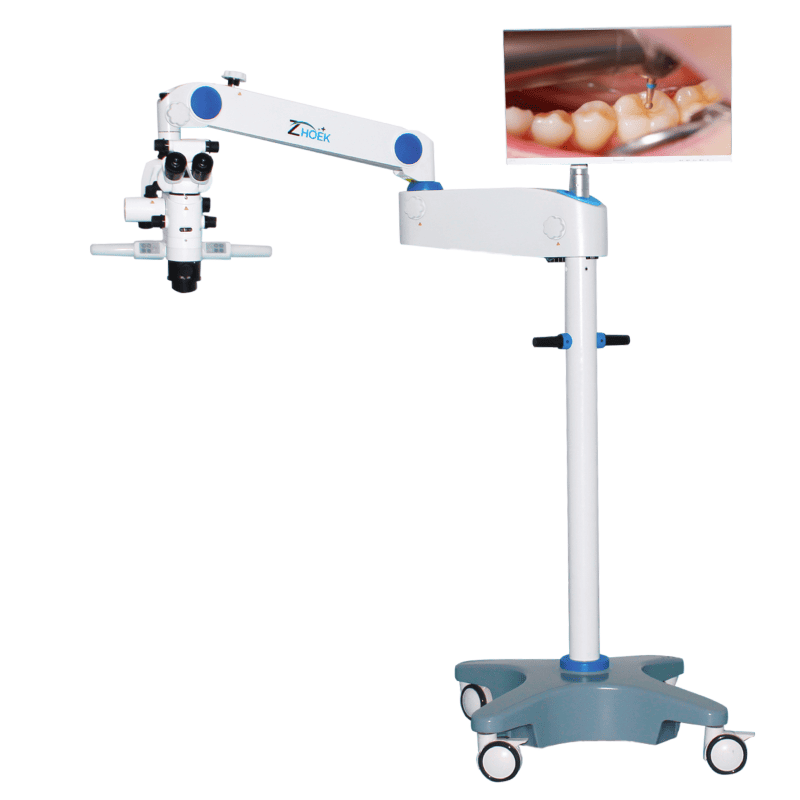
The success rate of dental implants currently exceeds 95% when performed under optimal conditions, making them one of the most reliable tooth replacement options available today. However, achieving these exceptional outcomes requires careful consideration of patient-specific factors, surgical technique precision, and comprehensive post-operative care protocols. Modern implant dentistry has evolved significantly, incorporating advanced materials, improved surgical methods, and sophisticated diagnostic tools to maximize treatment predictability.
Patient Health Factors and Medical History
Systemic Health Conditions
Overall patient health plays a fundamental role in determining dental implants success rates, as systemic conditions directly impact the body's ability to heal and integrate implant materials. Diabetes mellitus, particularly when poorly controlled, can significantly compromise wound healing and increase infection risk around implant sites. Patients with well-managed diabetes can still achieve successful outcomes, but require more intensive monitoring and potentially modified treatment protocols to accommodate slower healing responses.
Cardiovascular diseases and blood clotting disorders present additional challenges for implant treatment, as they may require medication adjustments or specialized surgical approaches. Autoimmune conditions such as rheumatoid arthritis or lupus can affect the immune system's response to implant placement, potentially impacting osseointegration processes. Osteoporosis and other bone metabolism disorders influence bone quality and density, which are critical factors for initial implant stability and long-term success.
Medications and Treatment Interactions
Certain medications can significantly impact dental implants outcomes by interfering with normal healing processes or bone metabolism. Bisphosphonates, commonly prescribed for osteoporosis, have been associated with osteonecrosis of the jaw in some cases, requiring careful evaluation and potential treatment modifications. Blood thinners necessitate coordination with prescribing physicians to balance bleeding risk during surgery with ongoing cardiovascular protection needs.
Immunosuppressive medications used for organ transplant patients or autoimmune conditions can delay healing and increase infection susceptibility around implant sites. Corticosteroids, whether prescribed for chronic conditions or used short-term, may impair bone formation and wound healing processes. Smoking cessation medications and nicotine replacement therapies should be considered as part of comprehensive pre-treatment planning to optimize healing conditions for dental implants.
Bone Quality and Quantity Assessment
Bone Density Evaluation
Adequate bone density is essential for dental implants success, as it provides the foundation for initial stability and long-term osseointegration. Advanced imaging techniques, including cone beam computed tomography, allow precise measurement of bone density and quality at proposed implant sites. Dense, cortical bone provides excellent initial stability but may require modified drilling protocols to prevent overheating during preparation.
Softer, trabecular bone presents different challenges for dental implants placement, often requiring specialized techniques to achieve adequate primary stability. Bone quality classification systems help surgeons select appropriate implant designs and surgical protocols based on site-specific conditions. Poor bone quality may necessitate bone grafting procedures or alternative implant designs to improve success rates and long-term stability.
Bone Volume and Anatomical Considerations
Sufficient bone volume in all dimensions is crucial for proper dental implants positioning and long-term stability. Vertical bone height must accommodate implant length while maintaining safe distances from vital structures such as the inferior alveolar nerve or maxillary sinus. Horizontal bone width determines implant diameter selection and influences the need for bone augmentation procedures.
Anatomical limitations, including sinus pneumatization or nerve proximity, may require specialized surgical approaches or bone grafting to create adequate space for dental implants. Ridge morphology and bone architecture influence implant positioning and may affect long-term esthetic outcomes. Three-dimensional treatment planning helps identify potential complications and allows for precise surgical execution to maximize success rates.
Surgical Technique and Precision
Implant Placement Protocol
Precise surgical technique is fundamental to dental implants success, beginning with accurate site preparation and continuing through final implant placement. Proper drilling sequences, appropriate irrigation, and controlled insertion torque help minimize tissue trauma and promote optimal healing responses. Surgical precision becomes even more critical in esthetically sensitive areas where implant positioning affects both function and appearance.
Immediate implant placement following tooth extraction requires careful case selection and modified surgical protocols to account for extraction socket dimensions and healing patterns. Primary stability achievement through proper implant design selection and insertion technique influences early healing success and long-term outcomes. Surgical site preparation must balance aggressive cleaning with tissue preservation to optimize conditions for osseointegration.
Technology Integration and Guided Surgery
Computer-guided surgical systems enhance precision and predictability in dental implants placement by translating three-dimensional treatment plans into precise surgical execution. Surgical guides fabricated from advanced imaging data help achieve optimal implant positioning while minimizing surgical trauma and reducing procedure time. Digital workflow integration allows for seamless coordination between surgical planning, implant placement, and prosthetic restoration phases.
Real-time navigation systems provide additional precision during complex cases or when anatomical limitations require careful implant positioning. Advanced surgical instruments and techniques, including piezoelectric surgery and laser therapy, offer refined approaches to site preparation and soft tissue management. Integration of microscopic visualization enhances surgical precision and allows for detailed assessment of healing progression during follow-up appointments.
Post-Operative Care and Healing Management
Immediate Post-Surgical Protocol
Proper post-operative care significantly influences dental implants success rates by promoting optimal healing conditions and preventing complications. Immediate post-surgical instructions must address pain management, swelling control, and infection prevention through appropriate medication protocols and activity restrictions. Patients require clear guidance on oral hygiene modifications during the initial healing period to protect surgical sites while maintaining overall oral health.
Dietary restrictions during the early healing phase help prevent mechanical disruption of blood clot formation and early tissue healing around dental implants sites. Anti-inflammatory medications and antibiotics, when indicated, support healing processes and reduce infection risk. Regular follow-up appointments during the initial healing period allow for early identification and management of potential complications before they impact long-term outcomes.
Long-Term Maintenance Requirements
Long-term success of dental implants depends heavily on consistent maintenance protocols and patient compliance with oral hygiene recommendations. Professional cleaning appointments specifically designed for implant maintenance help prevent peri-implant diseases that can compromise long-term stability. Specialized instruments and techniques are required for implant surface cleaning to avoid damage while effectively removing bacterial biofilms.
Patient education regarding proper home care techniques, including appropriate brush selection and interdental cleaning methods, is essential for preventing complications around dental implants. Regular radiographic monitoring allows for early detection of bone loss or other complications that could affect implant longevity. Maintenance protocols must be individualized based on patient risk factors, implant configuration, and prosthetic design to optimize long-term outcomes.
Prosthetic Design and Loading Protocols
Crown and Prosthetic Considerations
Prosthetic design significantly influences the long-term success of dental implants by affecting force distribution, tissue health, and patient satisfaction. Proper emergence profile design promotes healthy soft tissue architecture while facilitating effective oral hygiene around implant restorations. Crown contours must balance esthetic requirements with functional considerations to prevent excessive forces that could compromise implant stability.
Material selection for implant restorations affects both durability and biocompatibility, with newer ceramic materials offering improved esthetics and tissue response compared to traditional options. Occlusal design requires careful consideration of force direction and magnitude to prevent overloading that could lead to mechanical complications or bone loss around dental implants. Retrievable restoration designs facilitate maintenance access while providing secure attachment for daily function.
Loading Timeline and Protocols
Loading protocols for dental implants have evolved to include immediate, early, and conventional loading approaches based on specific case criteria and risk assessment. Immediate loading can be successful in carefully selected cases with adequate primary stability and favorable bone conditions, but requires strict adherence to loading guidelines. Conventional loading protocols allow complete osseointegration before restoration placement, providing maximum predictability for challenging cases.
Progressive loading strategies help transition from initial healing phases to full functional loading while monitoring tissue response and implant stability. Occlusal adjustment during the loading phase ensures proper force distribution and prevents premature contact that could compromise dental implants success. Regular monitoring during the loading period allows for protocol modifications based on healing progression and tissue response patterns.
Lifestyle Factors and Patient Compliance
Smoking and Substance Use Impact
Smoking represents one of the most significant modifiable risk factors affecting dental implants success rates, with research consistently demonstrating higher failure rates among smokers. Nicotine and other tobacco compounds impair blood circulation, reduce oxygen delivery to healing tissues, and compromise immune function around implant sites. Smoking cessation programs should be implemented as part of comprehensive treatment planning to optimize healing conditions and long-term outcomes.
The timing of smoking cessation relative to implant placement influences success rates, with longer cessation periods providing greater benefits for healing and osseointegration. Alternative tobacco products, including electronic cigarettes and smokeless tobacco, also negatively impact healing and should be discontinued before dental implants treatment. Alcohol consumption can interact with medications and impair healing processes, requiring discussion and potential modification of consumption patterns during treatment.
Oral Hygiene and Compliance Factors
Patient compliance with oral hygiene recommendations and follow-up care significantly influences long-term dental implants success rates and complication prevention. Effective plaque control around implant sites requires modified techniques and specialized tools compared to natural tooth care, necessitating comprehensive patient education and skill development. Poor oral hygiene can lead to peri-implant diseases that compromise implant stability and may result in implant loss if left untreated.
Regular professional maintenance appointments allow for assessment of oral hygiene effectiveness and early intervention when problems are identified. Patient motivation and ability to perform required maintenance tasks must be evaluated during treatment planning to ensure realistic expectations and long-term success. Compliance with recommended follow-up schedules enables early detection and management of complications before they progress to more serious conditions affecting dental implants longevity.
FAQ
How long do dental implants typically last with proper care
With proper care and maintenance, dental implants can last 20-30 years or even a lifetime in many cases. The longevity depends on factors such as oral hygiene, regular professional maintenance, overall health, and lifestyle factors like smoking. While the implant fixture itself is designed to be permanent, the prosthetic crown may require replacement after 10-15 years due to normal wear and esthetic changes.
What is the typical success rate for dental implants in healthy patients
Dental implants have a success rate of approximately 95-98% in healthy patients when placed by experienced practitioners following proper protocols. Success rates can vary based on implant location, with anterior implants generally showing slightly higher success rates than posterior implants. Factors such as bone quality, patient health, and post-operative care compliance significantly influence these statistics.
Can dental implants be placed immediately after tooth extraction
Immediate dental implants placement after tooth extraction is possible in many cases, but requires careful case selection based on factors such as infection absence, adequate bone volume, and primary stability achievement. Success rates for immediate placement are comparable to conventional delayed placement when appropriate protocols are followed. However, healing time and prosthetic loading may be modified compared to conventional placement procedures.
What complications can occur with dental implants and how are they prevented
Common complications include infection, implant failure, nerve damage, and sinus perforation, though these occur in less than 5% of cases when proper protocols are followed. Prevention involves thorough treatment planning, precise surgical technique, appropriate antibiotic prophylaxis when indicated, and comprehensive post-operative care. Early recognition and treatment of complications can often prevent more serious outcomes and preserve dental implants success.