
 EN
EN
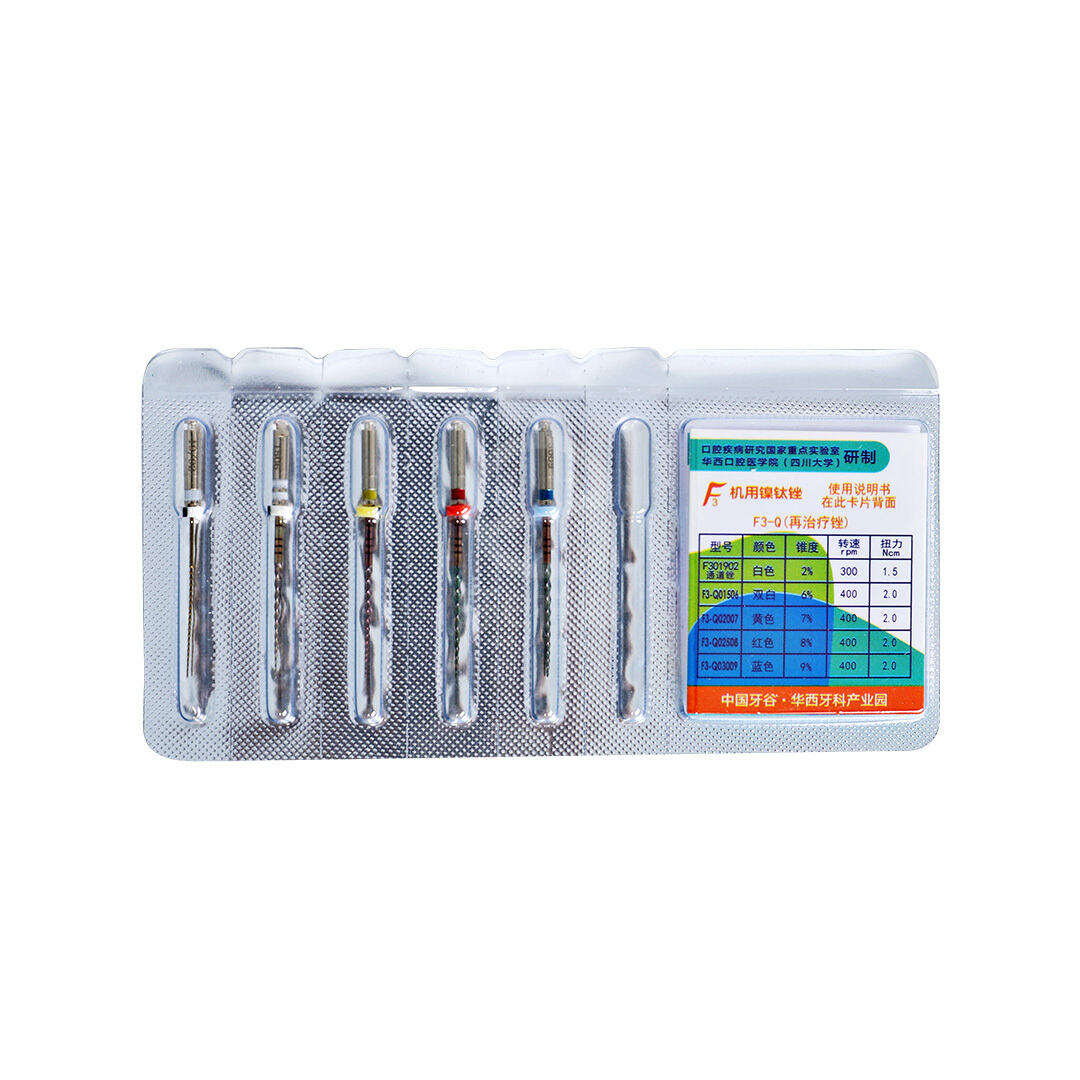
Modern dentistry has evolved significantly in its approach to tooth extraction procedures, with practitioners increasingly seeking methods that minimize patient discomfort and tissue trauma. Among the most revolutionary instruments developed for this purpose are periotomes, specialized surgical tools designed to sever the periodontal ligament with precision and care. These innovative instruments have transformed the extraction process by reducing the need for excessive force and dramatically improving healing outcomes for patients across various clinical scenarios.
The development of periotomes represents a fundamental shift in extraction methodology, moving away from traditional forceps-based techniques that often resulted in significant bone loss and soft tissue damage. These precision instruments work by carefully cutting the periodontal ligament fibers that anchor the tooth to its socket, creating a pathway for gentle tooth removal. This approach preserves the integrity of surrounding bone structure and minimizes the inflammatory response typically associated with conventional extraction methods.
Understanding the mechanism by which periotomes function requires knowledge of the anatomical structures involved in tooth support. The periodontal ligament consists of collagen fibers that connect the tooth root to the alveolar bone, creating a complex network of attachment points throughout the root surface. Traditional extraction techniques rely on applying rotational and lateral forces to break these connections, often resulting in uncontrolled fracturing of bone and excessive tissue displacement.
Advanced Design Features of Modern Periotomes
Blade Geometry and Cutting Efficiency
The effectiveness of periotomes lies in their precisely engineered blade geometry, which allows for controlled cutting of periodontal ligament fibers without generating excessive heat or pressure. Modern periotomes feature ultra-thin, sharp blades that can navigate the narrow periodontal space with minimal tissue disruption. The blade width typically ranges from 0.2 to 0.4 millimeters, providing optimal access to the ligament space while maintaining structural integrity during use.
The cutting edge design incorporates specific angulations that follow the natural contours of tooth roots, ensuring complete ligament severing around the entire circumference of the tooth. This systematic approach prevents the formation of residual attachments that could complicate the extraction process or contribute to post-operative complications. The precision manufacturing of these instruments ensures consistent performance across multiple procedures, making periotomes an essential component of modern surgical protocols.
Handle Ergonomics and Tactile Feedback
Professional-grade periotomes incorporate ergonomic handle designs that provide superior tactile feedback and control during delicate procedures. The handle construction typically features textured gripping surfaces that prevent slippage during use, while the balanced weight distribution reduces hand fatigue during extended surgical sessions. This attention to ergonomic detail directly translates to improved precision and reduced operator stress, contributing to better patient outcomes.
The connection between handle and blade is engineered to provide optimal torque transmission while maintaining the delicate touch required for periodontal ligament manipulation. Advanced manufacturing techniques ensure that these instruments maintain their cutting efficiency over extended periods of clinical use, providing consistent performance that practitioners can rely upon for critical procedures.
Clinical Applications and Trauma Reduction Mechanisms
Preservation of Alveolar Bone Structure
One of the most significant advantages of using periotomes in extraction procedures is their ability to preserve alveolar bone structure, which is crucial for future prosthetic rehabilitation or implant placement. Traditional extraction methods often result in buccal plate fractures or extensive bone loss, complications that can compromise the site for future restorative procedures. Periotomes eliminate the need for aggressive rocking motions and excessive force application, thereby maintaining the integrity of the tooth socket walls.
The controlled cutting action of periotomes allows for systematic ligament severing that progresses incrementally around the tooth circumference. This methodical approach prevents the sudden release of stored elastic energy that occurs with forceps-based extractions, eliminating the jarring motion that frequently results in bone fractures or displacement. The preservation of bone architecture is particularly critical in aesthetic zones where maintaining ridge contours is essential for optimal treatment outcomes.
Reduced Soft Tissue Trauma and Inflammation
The precise cutting action of periotomes significantly reduces soft tissue trauma compared to conventional extraction techniques. By cleanly severing periodontal ligament fibers rather than tearing them through applied force, these instruments minimize the inflammatory cascade that typically follows extraction procedures. This reduction in tissue damage translates directly to decreased post-operative pain, reduced swelling, and accelerated healing timeframes for patients.
The controlled nature of periotome use also prevents the collateral damage to adjacent tissues that commonly occurs with forceps extractions. The instrument's design allows for targeted application to specific areas of the periodontal ligament, avoiding unnecessary contact with surrounding gingival tissues or neighboring tooth structures. This precision approach is particularly valuable in complex cases where multiple extractions are required or when working in confined spaces within the oral cavity.
Comparative Advantages Over Traditional Extraction Methods
Force Reduction and Patient Comfort
Studies have demonstrated that the use of periotomes can reduce the force required for tooth extraction by up to 50% compared to conventional forceps techniques. This dramatic reduction in applied force translates to significantly improved patient comfort during the procedure and reduced risk of complications such as root fracture or excessive tissue damage. The gentle nature of periotome-assisted extractions makes them particularly suitable for patients with compromised bone density or those taking medications that affect bone metabolism.
The reduced force requirements also benefit the practitioner by decreasing the physical demands of the extraction procedure. This ergonomic advantage becomes particularly apparent during complex cases or when multiple extractions are performed in a single session. The controlled nature of periotome use allows for more predictable outcomes and greater procedural confidence, factors that contribute to improved patient care and practitioner satisfaction.
Enhanced Healing Outcomes and Recovery Times
The minimal tissue trauma associated with periotome use results in significantly improved healing outcomes for patients undergoing tooth extraction procedures. Research indicates that extraction sites treated with periotomes exhibit faster epithelialization, reduced post-operative pain scores, and decreased incidence of dry socket formation. These improvements in healing parameters translate to shorter recovery periods and reduced need for post-operative pain management interventions.
The preservation of blood supply to surrounding tissues is another critical factor in the enhanced healing observed with periotome-assisted extractions. By avoiding the crushing trauma associated with forceps use, periotomes maintain the vascular integrity of the extraction site, promoting optimal conditions for natural healing processes. This vascular preservation is particularly important in patients with compromised circulation or those at risk for healing complications due to systemic conditions.
Technical Considerations for Optimal Periotome Use
Proper Instrument Selection and Preparation
The successful implementation of periotomes in clinical practice requires careful attention to instrument selection based on the specific requirements of each extraction case. Different tooth types and root configurations may necessitate varying blade designs or sizes to achieve optimal results. Straight blades are typically preferred for single-rooted teeth, while curved designs may be more appropriate for multi-rooted teeth with complex anatomy.
Proper instrument maintenance and preparation are crucial for maintaining the cutting efficiency of periotomes throughout their service life. Regular sharpening protocols should be established to ensure consistent performance, while appropriate sterilization procedures must be followed to maintain infection control standards. The delicate nature of these precision instruments requires careful handling during cleaning and storage to prevent damage to the cutting edges.
Technique Refinement and Clinical Protocols
The effective use of periotomes requires development of specific clinical techniques that differ significantly from traditional extraction methods. Practitioners must develop a systematic approach to ligament severing that progresses methodically around the tooth circumference, ensuring complete detachment before attempting tooth mobilization. This technique requires patience and precision, as rushing the process can negate the trauma-reduction benefits that periotomes provide.
Training protocols should emphasize the importance of maintaining proper blade angulation and applying consistent pressure throughout the cutting process. The development of tactile sensitivity is crucial for detecting complete ligament severing and avoiding excessive instrumentation that could result in tissue damage. Regular practice and continuing education help practitioners refine their technique and maximize the benefits of periotome technology for their patients.
Future Developments and Innovation Trends
Materials Science Advances
Ongoing research in materials science continues to drive improvements in periotome design and performance capabilities. Advanced metallurgy techniques are being employed to develop blade materials with superior edge retention and corrosion resistance, extending instrument life while maintaining cutting efficiency. These material advances also contribute to improved biocompatibility and reduced risk of adverse tissue reactions during use.
Nanotechnology applications are being explored for surface treatments that could enhance the cutting properties of periotomes while reducing friction during use. These innovations promise to further reduce the force requirements for extraction procedures and improve the overall patient experience. The integration of antimicrobial surface treatments also offers potential benefits for infection control and post-operative healing outcomes.
Integration with Digital Treatment Planning
The integration of periotome technology with digital treatment planning systems represents an exciting frontier in extraction procedure optimization. Three-dimensional imaging and computer-aided planning can provide detailed information about root anatomy and periodontal ligament distribution, allowing for more precise instrument selection and technique customization. This integration promises to further enhance the predictability and outcomes of periotome-assisted extractions.
Augmented reality applications are being developed to provide real-time guidance during periotome procedures, helping practitioners optimize their technique and ensure complete ligament severing. These technological advances could significantly reduce the learning curve associated with periotome use while improving consistency across different practitioners and clinical settings.
FAQ
What makes periotomes more effective than traditional extraction forceps
Periotomes work by precisely cutting periodontal ligament fibers rather than applying brute force to break tooth attachments, resulting in significantly reduced tissue trauma and bone loss. This controlled cutting action requires up to 50% less force than traditional methods while preserving the integrity of surrounding structures crucial for healing and future treatment options.
Are periotomes suitable for all types of tooth extractions
While periotomes are highly effective for most extraction procedures, their application may be limited in cases involving severely ankylosed teeth or extensive root resorption. However, they excel in routine extractions, aesthetic zone procedures, and cases where bone preservation is critical for future implant placement or prosthetic rehabilitation.
How do periotomes impact post-operative healing and recovery
The minimal tissue trauma associated with periotome use results in faster healing times, reduced post-operative pain, and lower incidence of complications such as dry socket formation. Patients typically experience less swelling and discomfort while requiring fewer pain medications during the recovery period compared to traditional extraction methods.
What training is required for practitioners to use periotomes effectively
Successful periotome use requires specific training in technique and instrument handling, as the approach differs significantly from traditional extraction methods. Practitioners must develop skills in systematic ligament cutting, proper blade angulation, and tactile sensitivity to detect complete tooth detachment before attempting mobilization. Continuing education and hands-on practice are essential for mastering these specialized techniques.