
 EN
EN

The oral care industry represents a multi-billion dollar global market that continues to experience steady growth across residential and commercial sectors. Business owners, dental professionals, and retailers seeking to establish or expand their oral hygiene product offerings must understand the complexities involved in sourcing high-quality bulk oral care products. The procurement process requires careful evaluation of suppliers, product specifications, regulatory compliance, and cost structures to ensure sustainable business operations while maintaining consumer trust and satisfaction.
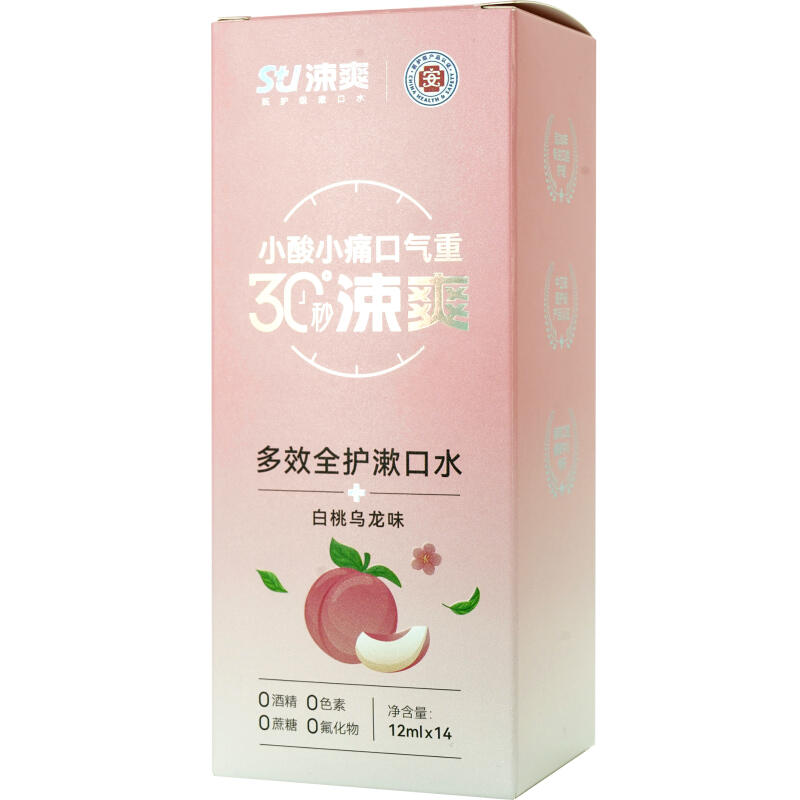
Successful bulk procurement strategies extend beyond simple price comparisons and require comprehensive market research, supplier verification, and quality assessment protocols. Modern businesses must navigate international trade regulations, establish reliable supply chains, and implement quality control measures that protect both their reputation and customer health. Understanding these fundamental principles enables organizations to make informed purchasing decisions that support long-term growth objectives while maintaining competitive pricing structures in increasingly demanding marketplaces.
Understanding Market Dynamics and Product Categories
Essential Product Classifications
The bulk oral care market encompasses numerous product categories that serve diverse consumer needs and preferences. Primary classifications include toothpastes, mouthwashes, dental floss, toothbrushes, whitening products, and specialized therapeutic formulations designed for specific oral health conditions. Each category presents unique sourcing considerations related to ingredient quality, manufacturing standards, packaging requirements, and regulatory compliance measures that affect overall procurement strategies.
Professional-grade products often require different sourcing approaches compared to consumer retail items, particularly regarding active ingredient concentrations, clinical testing documentation, and professional endorsements. Understanding these distinctions helps businesses identify appropriate suppliers and negotiate favorable terms while ensuring product portfolios align with target market expectations and regulatory requirements.
Market Trends and Consumer Preferences
Contemporary consumer preferences increasingly favor natural and organic formulations, sustainable packaging solutions, and products that address specific oral health concerns such as sensitivity, gum disease, and teeth whitening. These trends significantly impact sourcing decisions as businesses must identify suppliers capable of meeting evolving market demands while maintaining competitive pricing structures and consistent product availability.
Emerging market segments including children's oral care, senior-focused formulations, and travel-sized convenience products present additional opportunities for businesses willing to diversify their product offerings. Successful procurement strategies must account for these market dynamics while establishing supplier relationships that support both current needs and future expansion plans across multiple product categories and consumer demographics.
Supplier Evaluation and Selection Criteria
Manufacturing Standards and Certifications
Evaluating potential suppliers requires thorough assessment of manufacturing facilities, quality control systems, and industry certifications that demonstrate compliance with international standards. Key certifications include ISO 9001 for quality management, FDA registration for U.S. market access, and GMP compliance for pharmaceutical-grade products. These credentials provide essential assurance regarding product safety, consistency, and regulatory compliance across different markets and distribution channels.
Site inspections and third-party audits offer valuable insights into supplier capabilities, production processes, and quality control measures that may not be apparent through documentation alone. Establishing relationships with certified manufacturers helps ensure consistent product quality while reducing potential risks associated with regulatory non-compliance, product recalls, or consumer safety issues that could damage business reputation and financial performance.
Financial Stability and Supply Chain Reliability
Supplier financial stability directly impacts supply chain reliability and long-term partnership viability. Comprehensive financial assessments should include credit ratings, payment history, operational capacity, and disaster recovery capabilities that ensure consistent product availability during challenging market conditions. Reliable suppliers maintain adequate inventory levels, backup production facilities, and contingency plans that minimize disruption risks during peak demand periods or unexpected market fluctuations.
Establishing relationships with multiple qualified suppliers provides additional security through diversified sourcing strategies that reduce dependency on single providers. This approach enables businesses to maintain competitive pricing through supplier negotiation while ensuring product availability during supply chain disruptions, seasonal demand variations, or unexpected market changes that could impact inventory levels and customer satisfaction.
Quality Assurance and Product Testing Protocols
Laboratory Testing and Analysis
Implementing comprehensive testing protocols ensures bulk oral care products meet established quality standards and regulatory requirements before market introduction. Essential testing procedures include microbiological analysis, active ingredient verification, stability testing, and packaging integrity assessments that confirm product safety and efficacy throughout anticipated shelf life periods.
Third-party laboratory testing provides independent verification of product specifications and helps identify potential quality issues before large-scale procurement commitments. Regular testing schedules and batch sampling protocols ensure ongoing quality consistency while maintaining detailed documentation that supports regulatory compliance and customer confidence in product safety and effectiveness.
Regulatory Compliance and Documentation
Maintaining detailed documentation regarding product formulations, testing results, and regulatory approvals supports successful market entry and ongoing compliance requirements. Proper documentation includes ingredient declarations, safety data sheets, clinical testing reports, and regulatory registration certificates that demonstrate product safety and efficacy for intended consumer applications.
Staying current with evolving regulatory requirements across target markets helps prevent compliance issues that could result in product recalls, market restrictions, or legal complications. Working with suppliers who understand regulatory landscapes and maintain current certifications reduces compliance risks while ensuring smooth product launches and market expansion opportunities.
Cost Management and Pricing Strategies
Volume-Based Pricing Negotiations
Effective bulk purchasing requires understanding pricing structures and negotiation strategies that maximize cost savings while maintaining product quality standards. Volume-based pricing typically offers significant discounts compared to smaller orders, but businesses must balance inventory carrying costs against potential savings to optimize overall procurement economics and cash flow management.
Long-term supply agreements often provide additional cost advantages through price stability and guaranteed availability, particularly for businesses with predictable demand patterns. These arrangements enable better financial planning while securing favorable pricing terms that support competitive market positioning and profit margin objectives across diverse product categories and market segments.
Total Cost of Ownership Analysis
Comprehensive cost analysis must include all expenses associated with bulk procurement including shipping costs, customs duties, storage requirements, insurance coverage, and quality testing expenses. These additional costs can significantly impact overall product economics and should be factored into pricing decisions and supplier selection criteria to ensure accurate profitability assessments.
Hidden costs such as expedited shipping fees, minimum order requirements, and payment terms can substantially affect total procurement expenses. Thorough evaluation of all cost components enables more accurate budget planning and helps identify suppliers offering genuine value rather than simply low unit prices that may not reflect total ownership costs.
Logistics and Supply Chain Management
Shipping and Transportation Considerations
International shipping requirements for bulk oral care products involve complex logistics coordination including proper packaging, temperature control, customs documentation, and regulatory compliance across multiple jurisdictions. Understanding shipping restrictions, hazardous material classifications, and import requirements helps prevent delays and additional costs that can impact inventory availability and customer satisfaction levels.
Selecting appropriate shipping methods depends on product characteristics, destination requirements, and cost considerations that balance delivery speed against transportation expenses. Working with experienced freight forwarders and logistics providers helps navigate complex international shipping requirements while ensuring products arrive in optimal condition and compliance with local regulations.
Inventory Management and Storage Requirements
Proper storage conditions are essential for maintaining product quality and extending shelf life for bulk oral care products. Climate-controlled facilities, appropriate humidity levels, and contamination prevention measures help preserve product integrity while minimizing waste and quality degradation that could impact customer satisfaction and business profitability.
Effective inventory management systems track product expiration dates, batch numbers, and storage conditions to ensure proper rotation and quality maintenance throughout distribution cycles. These systems help prevent expired product distribution while optimizing inventory turnover rates and minimizing carrying costs associated with excess stock levels and storage requirements.
Building Strategic Supplier Relationships
Communication and Partnership Development
Establishing strong supplier relationships requires clear communication channels, mutual understanding of expectations, and collaborative approaches to problem-solving that benefit both parties. Regular communication helps identify potential issues early while fostering partnership attitudes that support long-term business success and continuous improvement initiatives across supply chain operations.
Successful partnerships often include joint planning sessions, performance reviews, and collaborative product development opportunities that enhance competitiveness and market responsiveness. These relationships provide valuable market insights, technical expertise, and innovation opportunities that support business growth while maintaining competitive advantages in dynamic marketplace conditions.
Performance Monitoring and Continuous Improvement
Implementing supplier performance monitoring systems helps track key metrics including delivery performance, quality consistency, responsiveness, and cost competitiveness. Regular performance evaluations provide data-driven insights that support supplier development initiatives while identifying opportunities for process improvements and cost optimization throughout procurement operations.
Continuous improvement programs often result in enhanced product quality, reduced costs, and improved service levels that benefit all stakeholders. These initiatives require ongoing collaboration and commitment from both buyers and suppliers to achieve meaningful results that support long-term partnership success and competitive market positioning across diverse oral care product categories.
FAQ
What minimum order quantities should businesses expect when sourcing bulk oral care products?
Minimum order quantities vary significantly depending on product types, supplier capabilities, and manufacturing processes. Standard consumer products typically require orders ranging from 1,000 to 10,000 units, while specialized or custom formulations may have higher minimums. Private label products often require larger initial orders to justify custom packaging and formulation costs, typically starting at 5,000 to 50,000 units depending on complexity and supplier requirements.
How can businesses verify the authenticity and quality of bulk oral care suppliers?
Supplier verification should include checking manufacturing certifications, conducting facility inspections, reviewing customer references, and verifying regulatory compliance documentation. Request samples for independent laboratory testing, verify business licenses and certifications, and conduct background checks on company ownership and financial stability. Third-party verification services and industry associations can provide additional validation of supplier credentials and reputation within the oral care manufacturing sector.
What are the typical lead times for bulk oral care product orders?
Standard product lead times typically range from 2-8 weeks depending on order size, product complexity, and supplier capacity. Custom formulations or private label products may require 8-16 weeks for initial orders, including time for formulation development, packaging design, and regulatory approvals. Seasonal demand fluctuations, raw material availability, and shipping logistics can extend lead times, making advance planning essential for maintaining adequate inventory levels.
What shipping and storage considerations are important for bulk oral care products?
Most oral care products require climate-controlled storage to maintain stability and prevent degradation. Temperature ranges typically should remain between 15-25°C with humidity control to prevent packaging damage and ingredient deterioration. Liquid products may have specific shipping restrictions regarding temperature extremes and handling requirements. Proper storage includes protection from direct sunlight, contamination prevention, and appropriate ventilation to maintain product quality throughout distribution cycles.
Table of Contents
- Understanding Market Dynamics and Product Categories
- Supplier Evaluation and Selection Criteria
- Quality Assurance and Product Testing Protocols
- Cost Management and Pricing Strategies
- Logistics and Supply Chain Management
- Building Strategic Supplier Relationships
-
FAQ
- What minimum order quantities should businesses expect when sourcing bulk oral care products?
- How can businesses verify the authenticity and quality of bulk oral care suppliers?
- What are the typical lead times for bulk oral care product orders?
- What shipping and storage considerations are important for bulk oral care products?