
 EN
EN
Modern dentistry has witnessed remarkable advancements in recent years, particularly in the development of innovative dental extraction tools that prioritize patient comfort and procedural efficiency. These cutting-edge instruments represent a significant leap forward from traditional extraction methods, incorporating advanced materials, ergonomic designs, and precision engineering to deliver superior clinical outcomes. As dental professionals increasingly recognize the importance of minimally invasive techniques, the evolution of dental extraction tools continues to reshape how tooth removal procedures are performed across practices worldwide.
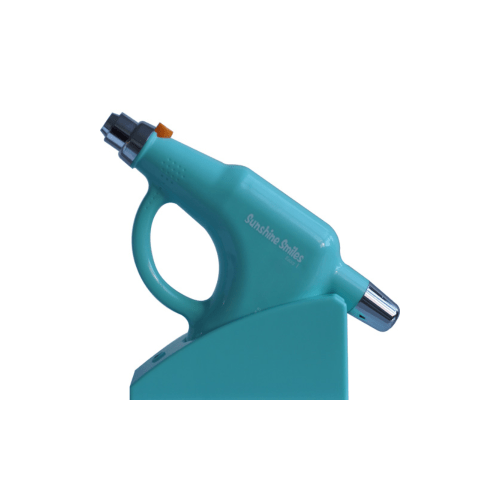
The transformation of extraction procedures has been driven by technological innovations that address longstanding challenges in oral surgery. Today's dental extraction tools incorporate features such as enhanced grip mechanisms, reduced tissue trauma capabilities, and improved leverage systems that make extractions more predictable and less invasive. These advancements not only benefit patients through reduced recovery times and improved comfort but also enable practitioners to perform procedures with greater confidence and precision.
Revolutionary Design Features in Modern Extraction Instruments
Advanced Material Engineering
Contemporary dental extraction tools utilize high-grade stainless steel alloys and specialized coatings that provide exceptional durability and corrosion resistance. These materials undergo rigorous testing to ensure they maintain their structural integrity under repeated sterilization cycles while delivering consistent performance throughout their operational lifespan. The incorporation of titanium components in select instruments offers additional benefits including reduced weight and enhanced biocompatibility, making them ideal for complex extraction procedures.
Surface treatments applied to modern dental extraction tools include advanced coating technologies that reduce friction and improve instrument handling. These specialized finishes not only enhance the aesthetic appeal of the instruments but also provide functional benefits such as improved grip in wet conditions and reduced bacterial adhesion. The careful selection of materials ensures that these tools can withstand the demanding environment of clinical practice while maintaining their precision and reliability.
Ergonomic Handle Design
The evolution of handle design in dental extraction tools has prioritized practitioner comfort and control during procedures. Modern instruments feature anatomically contoured grips that reduce hand fatigue and improve tactile feedback, allowing for more precise force application during extractions. These ergonomic improvements are particularly beneficial during lengthy procedures or when performing multiple extractions in a single session.
Weight distribution optimization in contemporary dental extraction tools ensures balanced handling that minimizes wrist strain and enhances procedural accuracy. The integration of non-slip surfaces and strategically placed finger rests provides additional control points that enable practitioners to maintain steady grip pressure throughout the extraction process. These design refinements contribute significantly to procedural success rates and practitioner satisfaction.
Technological Integration and Smart Features
Precision Engineering Applications
Modern dental extraction tools incorporate precision manufacturing techniques that ensure consistent dimensional accuracy and optimal performance characteristics. Computer-aided design and manufacturing processes enable the creation of instruments with tolerances measured in micrometers, resulting in tools that deliver predictable clinical outcomes. This level of precision is particularly important in procedures requiring delicate tissue handling or when working in confined anatomical spaces.
The application of advanced metallurgy in dental extraction tools has resulted in instruments with superior strength-to-weight ratios and enhanced fatigue resistance. These improvements allow for the creation of more refined instrument profiles that can access difficult anatomical locations while maintaining the structural integrity necessary for effective tooth removal. The integration of laser welding and heat treatment processes further enhances the durability and performance of these specialized tools.
Innovation in Extraction Mechanics
Contemporary dental extraction tools feature refined mechanical advantage systems that optimize force transmission while minimizing tissue trauma. These innovations include improved fulcrum designs, enhanced beak configurations, and optimized working angles that facilitate more efficient tooth mobilization. The careful engineering of these mechanical elements ensures that extraction forces are applied in the most effective manner possible.
The development of specialized dental extraction tools for specific clinical situations has expanded the range of treatment options available to practitioners. These purpose-built instruments address unique challenges such as impacted teeth, fractured roots, and anatomically complex cases that previously required more invasive surgical approaches. The availability of specialized instruments enables practitioners to select the most appropriate tool for each specific clinical scenario.
Clinical Benefits and Patient Outcomes
Reduced Procedural Trauma
The implementation of advanced dental extraction tools has led to significant reductions in procedural trauma and associated complications. These instruments are designed to minimize damage to surrounding tissues while effectively mobilizing teeth for removal. The reduced trauma translates directly into improved patient comfort during and after procedures, contributing to better overall treatment experiences.
Modern extraction techniques facilitated by innovative dental extraction tools result in smaller extraction sites and reduced bleeding, which promotes faster healing and reduces the risk of post-operative complications. The preservation of alveolar bone and surrounding soft tissues is particularly important for patients who may require future implant placement or prosthetic rehabilitation. These improved outcomes demonstrate the clinical value of investing in advanced extraction instrumentation.
Enhanced Procedural Efficiency
The efficiency gains achieved through the use of modern dental extraction tools benefit both practitioners and patients through reduced procedure times and improved success rates. These instruments enable more predictable tooth removal with fewer complications, resulting in smoother clinical workflows and improved patient satisfaction. The ability to complete extractions more quickly also allows practitioners to optimize their scheduling and accommodate more patients.
Contemporary dental extraction tools contribute to improved case acceptance rates as patients become more comfortable with the prospect of tooth removal procedures. The reduced invasiveness and improved outcomes associated with these advanced instruments help address patient concerns about extraction procedures, leading to better treatment compliance and improved oral health outcomes. The psychological benefits of using advanced technology should not be underestimated in building patient confidence and trust.
Selection Criteria and Best Practices
Instrument Quality Assessment
When evaluating dental extraction tools for clinical use, practitioners should consider factors such as material quality, manufacturing precision, and ergonomic design. High-quality instruments demonstrate consistent performance characteristics and maintain their functional properties throughout their service life. The initial investment in superior dental extraction tools is typically justified through improved clinical outcomes and reduced replacement costs over time.
The certification and regulatory compliance of dental extraction tools should be verified to ensure they meet appropriate safety and performance standards. Instruments that have undergone rigorous testing and quality assurance processes provide greater confidence in their clinical performance and safety profile. Practitioners should also consider the availability of technical support and warranty coverage when selecting extraction instruments for their practice.
Maintenance and Sterilization Protocols
Proper maintenance of dental extraction tools is essential for ensuring their continued performance and longevity. Regular inspection for signs of wear, damage, or corrosion helps identify instruments that require repair or replacement before they compromise clinical outcomes. The implementation of systematic maintenance protocols extends instrument life and maintains consistent performance standards across the practice.
Sterilization protocols for dental extraction tools must comply with established infection control guidelines while preserving instrument integrity. The selection of appropriate sterilization methods and cycles ensures effective pathogen elimination without causing damage to instrument materials or finishes. Proper handling and storage procedures following sterilization help maintain instrument condition and prevent contamination prior to use.
Future Trends and Developments
Emerging Technologies
The future development of dental extraction tools is likely to incorporate advanced technologies such as smart sensors, artificial intelligence, and augmented reality guidance systems. These innovations promise to further enhance procedural precision and safety while providing real-time feedback to practitioners during extractions. The integration of digital technologies with traditional mechanical instruments represents an exciting frontier in extraction tool development.
Nanotechnology applications in dental extraction tools may lead to instruments with enhanced properties such as antimicrobial surfaces, self-sharpening capabilities, and improved biocompatibility. These advanced materials could revolutionize extraction procedures by providing additional safety features and extending instrument service life. The continued advancement of material science will likely yield dental extraction tools with capabilities that exceed current performance standards.
Sustainable Manufacturing Practices
Environmental considerations are increasingly influencing the development of dental extraction tools, with manufacturers exploring sustainable production methods and recyclable materials. The implementation of green manufacturing processes and reduced environmental impact packaging reflects the dental industry's commitment to environmental responsibility. These initiatives contribute to more sustainable clinical practices without compromising instrument quality or performance.
The development of modular dental extraction tools that allow for component replacement rather than complete instrument disposal represents another approach to sustainability. These designs enable practitioners to maintain their instruments through targeted component replacement while reducing waste generation. The economic and environmental benefits of modular instrument design make this approach increasingly attractive to environmentally conscious practices.
FAQ
What makes modern dental extraction tools superior to traditional instruments
Modern dental extraction tools incorporate advanced materials, precision manufacturing, and ergonomic designs that provide superior performance compared to traditional instruments. These improvements result in reduced tissue trauma, improved procedural efficiency, and enhanced practitioner comfort during extractions. The integration of specialized coatings and surface treatments further enhances instrument performance and durability.
How do I select the appropriate extraction tools for my practice
The selection of dental extraction tools should be based on factors including case complexity, patient demographics, and practitioner preferences. High-quality instruments from reputable manufacturers typically provide the best combination of performance and durability. Consider ergonomic factors, material quality, and available technical support when making purchasing decisions for your practice.
What maintenance requirements apply to modern extraction instruments
Proper maintenance of dental extraction tools includes regular inspection, appropriate sterilization protocols, and systematic cleaning procedures. Instruments should be examined for signs of wear or damage before each use, and any compromised tools should be removed from service immediately. Following manufacturer guidelines for sterilization and storage helps maintain instrument performance and extends service life.
Are advanced extraction tools worth the additional investment
The investment in advanced dental extraction tools typically provides significant returns through improved clinical outcomes, reduced procedure times, and enhanced patient satisfaction. These benefits often translate into increased practice efficiency and better case acceptance rates. The long-term cost effectiveness of quality instruments, combined with their clinical advantages, generally justifies the initial investment for most practices.