 EN
EN
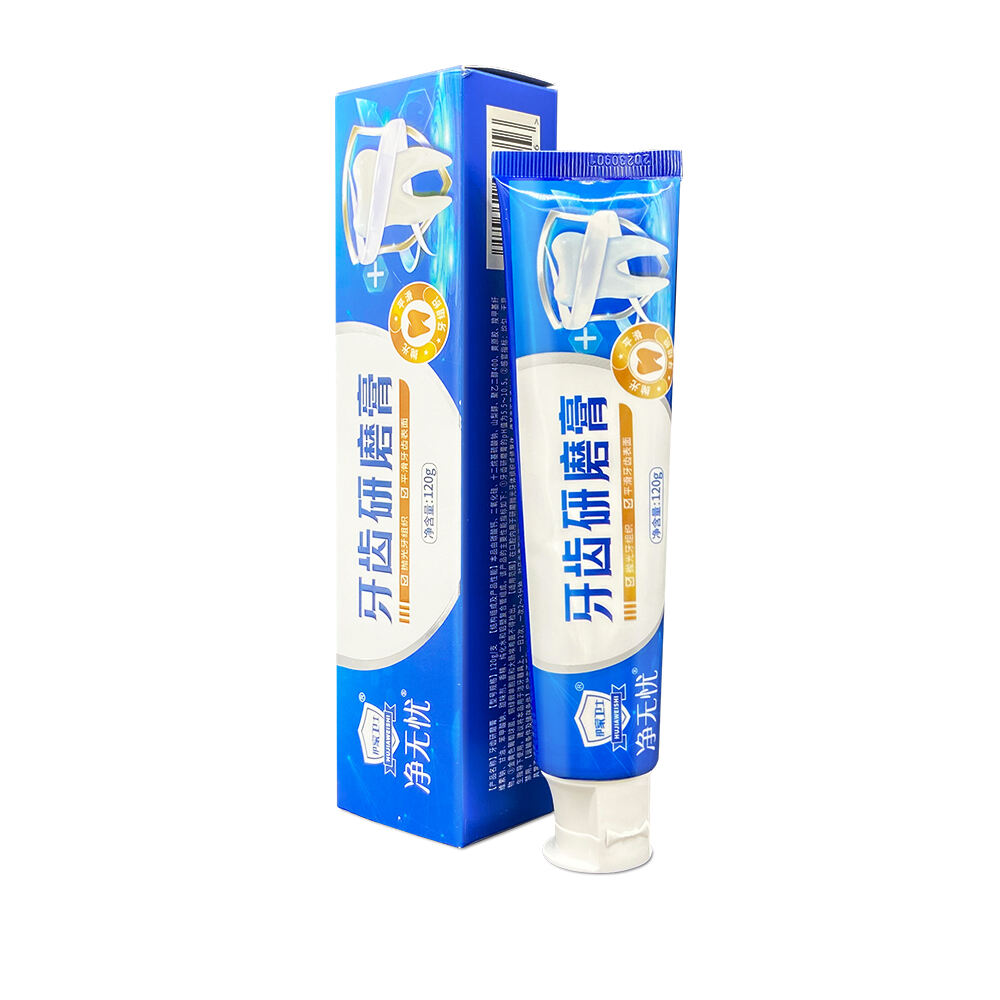
The evolution of oral hygiene technology has transformed how we approach dental care in our daily routines. Modern at-home plaque removal devices represent a significant leap forward from traditional brushing and flossing methods, offering consumers unprecedented control over their oral health. These innovative tools combine advanced engineering with user-friendly designs to deliver professional-grade cleaning results without requiring dental office visits. As dental professionals increasingly recognize the importance of consistent home care, at-home plaque removal devices have emerged as essential components of comprehensive oral hygiene programs.
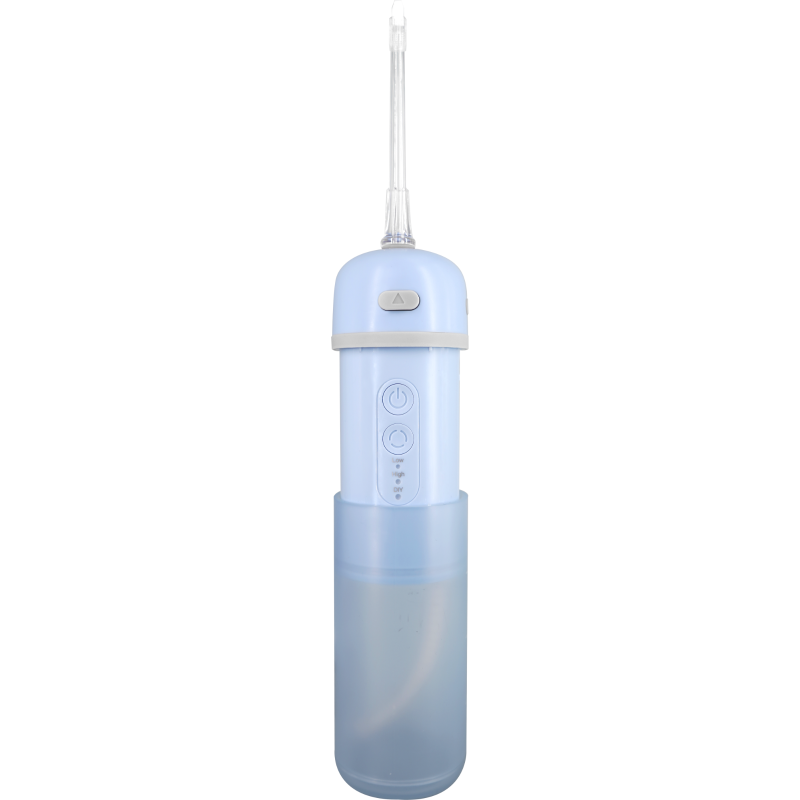
Revolutionary Water Flossing Technology
Advanced Pulsation Systems
Contemporary water flossers have revolutionized the landscape of at-home plaque removal devices through sophisticated pulsation technology that mimics professional dental cleaning techniques. These systems generate precisely calibrated water pressure pulses that effectively dislodge plaque biofilm from interdental spaces and along the gumline where traditional brushing methods often fall short. The latest models feature variable pressure settings ranging from gentle massage modes for sensitive gums to powerful deep-cleaning cycles for stubborn plaque deposits.
Engineering breakthroughs in pump design have enabled manufacturers to create more compact yet powerful units that deliver consistent water flow rates throughout extended cleaning sessions. Advanced pressure regulation systems ensure optimal cleaning effectiveness while maintaining user comfort, making these at-home plaque removal devices suitable for individuals with varying oral health conditions and sensitivity levels.
Smart Connectivity Features
Integration of smart technology has elevated modern water flossers beyond simple mechanical devices into comprehensive oral health monitoring systems. Bluetooth-enabled at-home plaque removal devices can track usage patterns, provide personalized cleaning recommendations, and sync with smartphone applications to create detailed oral hygiene reports. These intelligent systems analyze user behavior and adjust cleaning protocols based on individual needs and preferences.
Mobile applications accompanying these devices offer guided cleaning sessions, educational content, and progress tracking features that help users optimize their oral care routines. Real-time feedback mechanisms provide instant guidance on proper technique and coverage areas, ensuring maximum plaque removal efficiency during each cleaning session.
Ultrasonic Cleaning Innovation
High-Frequency Vibration Technology
Ultrasonic at-home plaque removal devices utilize high-frequency vibrations to create microscopic bubbles in cleaning solutions, generating powerful cavitation effects that penetrate deep into plaque structures. This technology operates at frequencies typically ranging from 20,000 to 40,000 vibrations per minute, creating gentle yet effective cleaning action that removes bacterial biofilms without damaging tooth enamel or irritating sensitive gum tissue.
The cavitation process generated by ultrasonic devices creates implosions that produce localized pressure waves, effectively disrupting plaque adhesion to tooth surfaces. This mechanical action, combined with antimicrobial solutions, provides comprehensive cleaning that reaches areas traditional tools cannot access, making ultrasonic technology particularly valuable for individuals with complex dental work or difficult-to-clean oral anatomy.
Portable Design Advantages
Modern ultrasonic at-home plaque removal devices feature remarkably compact designs that maintain full cleaning power while offering unprecedented portability. Battery technology improvements have enabled manufacturers to create cordless units that provide multiple cleaning sessions per charge, making consistent oral care possible regardless of location or travel constraints.
Wireless operation eliminates the limitations imposed by power cords, allowing users to achieve optimal positioning and angle control during cleaning sessions. This enhanced maneuverability is particularly beneficial for reaching posterior teeth and complex restoration areas where traditional corded devices might prove cumbersome or ineffective.
LED Light-Activated Cleaning Systems
Photodynamic Therapy Integration
Light-activated at-home plaque removal devices represent cutting-edge innovation in oral hygiene technology, incorporating specific wavelengths of LED light to enhance plaque removal effectiveness. These systems utilize photodynamic therapy principles to activate specialized cleaning solutions that target bacterial populations within plaque biofilms, providing antimicrobial action that extends beyond mechanical cleaning alone.
Blue light technology, typically operating at wavelengths around 405 nanometers, has demonstrated significant effectiveness against oral bacteria commonly associated with plaque formation and gum disease. When combined with photosensitizing agents in specialized rinses or gels, these at-home plaque removal devices create powerful antimicrobial effects that complement mechanical cleaning actions.
Safety and Efficacy Protocols
Contemporary LED-activated cleaning systems incorporate multiple safety features to ensure user protection while maximizing therapeutic benefits. Automatic timers prevent overexposure, while built-in sensors monitor light intensity to maintain optimal treatment parameters throughout cleaning sessions. These safety mechanisms make professional-grade photodynamic therapy accessible for home use without compromising effectiveness or user wellbeing.
Clinical research supporting LED-activated at-home plaque removal devices demonstrates significant improvements in plaque reduction and gingival health when used as directed. Studies indicate that regular use of light-activated systems can reduce harmful bacterial populations by up to 90% while promoting beneficial oral microbiome balance.
Enzymatic Cleaning Enhancement
Biofilm Disruption Mechanisms
Advanced at-home plaque removal devices now incorporate enzymatic cleaning technologies that target the complex protein and polysaccharide structures within bacterial biofilms. These specialized enzymes break down the extracellular matrix that binds plaque to tooth surfaces, making mechanical removal significantly more effective while reducing the force required for thorough cleaning.
Enzyme delivery systems integrated into modern cleaning devices ensure optimal contact time between active compounds and plaque deposits. Controlled-release mechanisms maintain enzyme activity throughout extended cleaning sessions, providing sustained biofilm disruption that enhances overall plaque removal effectiveness compared to conventional cleaning methods alone.
Natural and Synthetic Enzyme Options
Contemporary at-home plaque removal devices offer flexibility in enzyme selection, with options ranging from naturally-derived compounds like lactoferrin and lysozyme to synthetic alternatives designed for specific plaque types. Natural enzymes provide gentle yet effective biofilm disruption while maintaining compatibility with sensitive oral tissues, making them suitable for individuals with inflammatory conditions or medication-related oral sensitivity.
Synthetic enzyme formulations offer enhanced stability and targeted action against specific bacterial species commonly associated with plaque formation and periodontal disease. These engineered compounds maintain activity across broader pH ranges and temperature variations, ensuring consistent performance regardless of individual oral environment conditions.
AI-Powered Plaque Detection
Computer Vision Technology
Artificial intelligence integration has transformed at-home plaque removal devices into sophisticated diagnostic tools capable of identifying plaque accumulation patterns and recommending personalized cleaning strategies. Advanced computer vision systems analyze oral cavity images to map plaque distribution and track cleaning effectiveness over time, providing users with objective feedback on their oral hygiene performance.
Machine learning algorithms continuously improve detection accuracy by analyzing thousands of oral health images and correlating visual indicators with clinical outcomes. These AI-powered at-home plaque removal devices can identify early-stage plaque formation before it becomes visible to the naked eye, enabling proactive intervention and prevention of more serious oral health issues.
Personalized Treatment Protocols
Intelligent at-home plaque removal devices utilize collected data to develop customized cleaning protocols tailored to individual oral anatomy and plaque formation patterns. AI algorithms analyze user-specific factors including tooth alignment, gum sensitivity, and historical plaque accumulation areas to optimize cleaning sequences and pressure settings for maximum effectiveness.
Predictive analytics capabilities enable these systems to anticipate oral health challenges and adjust cleaning recommendations proactively. By identifying patterns in plaque formation and user behavior, AI-enhanced devices can suggest modifications to cleaning routines before problems develop, supporting long-term oral health maintenance and disease prevention.
Ergonomic Design Evolution
User-Centered Engineering
Modern at-home plaque removal devices prioritize ergonomic excellence to ensure comfortable extended use and optimal cleaning angles for all oral anatomy variations. Advanced grip designs incorporate textured surfaces and contoured shapes that reduce hand fatigue while providing secure control during detailed cleaning procedures, making these devices accessible to users with varying manual dexterity levels.
Weight distribution optimization has become a critical factor in device design, with manufacturers utilizing lightweight materials and balanced construction to minimize user strain during extended cleaning sessions. These ergonomic improvements directly contribute to better compliance and more thorough cleaning outcomes by reducing physical barriers to consistent device use.
Accessibility and Inclusivity
Contemporary at-home plaque removal devices incorporate universal design principles to accommodate users with diverse physical capabilities and limitations. Large, tactile control buttons enable operation by individuals with visual impairments or reduced fine motor control, while adjustable handles and attachments accommodate different hand sizes and grip preferences.
Voice-activated controls and audio feedback systems have emerged as valuable accessibility features in premium at-home plaque removal devices. These innovations enable hands-free operation and provide auditory guidance for proper technique, making effective oral care possible for users who might otherwise struggle with conventional device interfaces.
Environmental and Sustainability Considerations
Eco-Friendly Material Innovation
Environmental consciousness has driven significant innovation in at-home plaque removal devices, with manufacturers increasingly adopting sustainable materials and production processes. Biodegradable components, recycled plastics, and renewable energy-powered manufacturing represent growing trends in the oral hygiene device industry, reflecting consumer demand for environmentally responsible products.
Packaging optimization has become another focus area, with companies developing minimal-waste packaging solutions and refillable component systems that reduce overall environmental impact. These sustainability initiatives make at-home plaque removal devices more appealing to environmentally conscious consumers while maintaining high performance standards.
Long-Term Durability Features
Investment in durable construction materials and modular design approaches has extended the operational lifespan of modern at-home plaque removal devices significantly. Replaceable components and upgrade-compatible systems reduce electronic waste while allowing users to maintain current devices rather than purchasing entirely new units when technology advances or components wear out.
Warranty programs and repair services have evolved to support longer device lifecycles, with manufacturers offering comprehensive coverage and component replacement services that encourage repair over replacement. This approach aligns with sustainable consumption principles while ensuring users can rely on their at-home plaque removal devices for years of effective oral care.
FAQ
How effective are modern at-home plaque removal devices compared to professional dental cleanings
Modern at-home plaque removal devices can achieve significant plaque reduction effectiveness when used consistently and properly, with studies showing removal rates of 70-85% compared to professional cleanings which typically achieve 95-98% effectiveness. While they cannot completely replace professional care, these devices serve as excellent maintenance tools between dental visits and can substantially improve overall oral health outcomes when incorporated into daily hygiene routines.
What safety considerations should users keep in mind when using advanced plaque removal devices
Users should follow manufacturer guidelines regarding pressure settings, usage duration, and frequency to prevent gum irritation or enamel damage. Individuals with sensitive teeth, gum disease, or dental work should consult their dentist before using at-home plaque removal devices. It is important to start with lower settings and gradually increase intensity as tolerance develops, while monitoring for any signs of discomfort or adverse reactions during initial use periods.
How do smart features in plaque removal devices improve cleaning outcomes
Smart features in at-home plaque removal devices provide real-time feedback on cleaning technique, track usage patterns to ensure consistent care, and offer personalized recommendations based on individual oral health needs. These technologies help users maintain proper cleaning angles, adequate session duration, and optimal pressure settings while providing data-driven insights that support continuous improvement in oral hygiene effectiveness and long-term dental health maintenance.
What maintenance requirements do advanced plaque removal devices typically have
Advanced at-home plaque removal devices require regular cleaning of reservoirs and attachments, periodic replacement of tips or filters, and proper storage to prevent bacterial growth. Most devices benefit from weekly deep cleaning with antimicrobial solutions and monthly inspection of seals and connections. Battery-powered units need appropriate charging practices to maintain optimal performance, while some models require software updates to ensure access to latest features and improvements.
Table of Contents
- Revolutionary Water Flossing Technology
- Ultrasonic Cleaning Innovation
- LED Light-Activated Cleaning Systems
- Enzymatic Cleaning Enhancement
- AI-Powered Plaque Detection
- Ergonomic Design Evolution
- Environmental and Sustainability Considerations
-
FAQ
- How effective are modern at-home plaque removal devices compared to professional dental cleanings
- What safety considerations should users keep in mind when using advanced plaque removal devices
- How do smart features in plaque removal devices improve cleaning outcomes
- What maintenance requirements do advanced plaque removal devices typically have