
 EN
EN
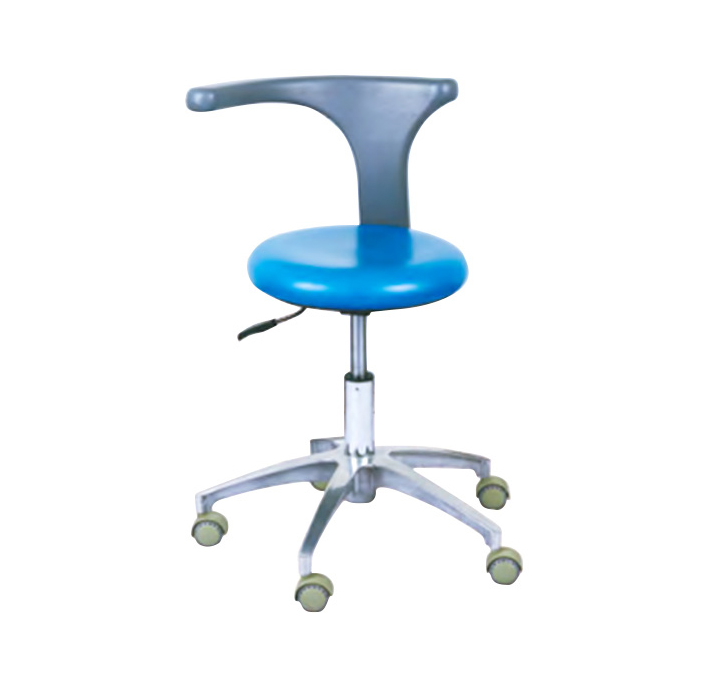
Modern dental practices require sophisticated dental equipment to deliver exceptional patient care while maintaining operational efficiency. The rapid advancement in dental technology has transformed how practitioners approach diagnosis, treatment planning, and patient management, making the selection of appropriate dental equipment crucial for practice success.

Today's leading dental practices invest strategically in high-quality dental equipment that enhances clinical outcomes, improves patient comfort, and streamlines workflow processes. Understanding the essential components of a well-equipped modern practice enables practitioners to make informed decisions that drive long-term success and patient satisfaction.
Essential Diagnostic Dental Equipment for Accurate Assessment
Digital Imaging Systems and Their Clinical Impact
Digital radiography systems represent a cornerstone of modern dental equipment, offering superior image quality with reduced radiation exposure compared to traditional film-based systems. These advanced imaging solutions provide immediate results, eliminating the need for chemical processing and enabling practitioners to share images instantly with patients and specialists.
Cone beam computed tomography (CBCT) scanners have revolutionized three-dimensional imaging in dentistry, providing detailed anatomical visualization for complex treatment planning. This sophisticated dental equipment enables precise implant placement, endodontic assessment, and orthodontic evaluation with unprecedented accuracy.
Intraoral cameras enhance patient communication by providing real-time visual documentation of oral conditions. This essential dental equipment allows practitioners to educate patients effectively about their treatment needs while maintaining comprehensive digital records for future reference.
Advanced Diagnostic Tools for Comprehensive Evaluation
Laser fluorescence caries detection devices offer early identification of tooth decay, enabling minimally invasive treatment approaches. This innovative dental equipment utilizes light wavelengths to detect bacterial byproducts associated with carious lesions, improving diagnostic accuracy beyond traditional visual examination.
Periodontal probing systems with electronic measurement capabilities provide consistent and accurate assessment of gum health. These precision instruments eliminate subjective measurement variations while maintaining detailed records of periodontal status over time.
Oral cancer screening devices enhance early detection capabilities through specialized lighting and imaging technologies. This crucial dental equipment assists practitioners in identifying suspicious tissue changes that may require further evaluation or specialist referral.
Treatment-Oriented Dental Equipment for Clinical Excellence
Restorative and Operative Instrumentation
High-speed and low-speed handpieces form the foundation of restorative dental procedures, requiring reliable performance and ergonomic design for practitioner comfort during extended procedures. Modern dental equipment in this category features improved torque control, reduced vibration, and enhanced visibility through integrated lighting systems.
Composite curing lights with LED technology provide consistent polymerization of light-activated materials while maintaining optimal wavelength output. This essential dental equipment ensures reliable restoration longevity through proper material activation across various composite formulations.
Ultrasonic scaling units offer efficient removal of calculus and bacterial deposits while minimizing patient discomfort. These advanced instruments utilize cavitation effects to disrupt biofilm formation, making periodontal maintenance more effective and comfortable for patients.
Specialized Treatment Technologies
Soft tissue lasers provide versatile treatment options for gingival procedures, lesion removal, and bacterial reduction. This innovative dental equipment enables precise tissue modification with minimal bleeding and enhanced healing characteristics compared to conventional surgical techniques.
Rotary endodontic systems streamline root canal procedures through automated instrumentation with consistent file movement and torque control. These sophisticated devices reduce treatment time while improving canal preparation quality and reducing practitioner fatigue.
Air abrasion units offer conservative cavity preparation through controlled particle bombardment, preserving healthy tooth structure while removing decayed material. This minimally invasive dental equipment appeals to patients seeking comfortable treatment alternatives.
Digital Workflow Integration and CAD/CAM Technology
Chairside Manufacturing Capabilities
Computer-aided design and manufacturing (CAD/CAM) systems enable same-day restoration fabrication, eliminating temporary restorations and reducing patient visits. This transformative dental equipment integrates digital impression taking, design software, and milling capabilities into seamless workflow processes.
Digital impression scanners replace traditional impression materials with optical scanning technology, improving patient comfort while capturing highly accurate three-dimensional data. These precision instruments ensure optimal restoration fit and eliminate distortion associated with conventional impression techniques.
Milling units fabricate ceramic and composite restorations from digital designs with exceptional precision and consistency. This advanced dental equipment supports various material options while maintaining quality standards that meet or exceed laboratory-fabricated restorations.
Practice Management Integration
Digital workflow systems connect diagnostic imaging, treatment planning, and fabrication processes through centralized software platforms. This comprehensive dental equipment integration enables efficient data management, treatment tracking, and quality assurance protocols.
3D printing capabilities expand in-house manufacturing options for surgical guides, temporary restorations, and orthodontic appliances. These versatile systems complement traditional dental equipment while providing additional treatment flexibility and cost-effective solutions.
Cloud-based data storage and sharing platforms facilitate collaboration between practitioners and specialists while ensuring secure patient information management. This essential infrastructure supports the connectivity requirements of modern dental equipment systems.
Infection Control and Safety Equipment Standards
Sterilization and Disinfection Systems
Autoclave sterilization units provide reliable instrument processing through validated steam sterilization cycles. This critical dental equipment ensures patient safety through effective microbial elimination while maintaining instrument integrity and longevity.
Ultrasonic cleaning baths remove debris and contaminants from instruments prior to sterilization, enhancing the effectiveness of subsequent processing steps. These essential devices support comprehensive infection control protocols required in modern dental practice.
Chemical vapor sterilizers offer alternative processing methods for heat-sensitive instruments while maintaining equivalent microbial kill rates. This specialized dental equipment provides flexibility in sterilization protocols while accommodating diverse instrument requirements.
Environmental Safety and Monitoring
Air filtration systems maintain optimal indoor air quality through high-efficiency particulate air (HEPA) filtration and ultraviolet germicidal irradiation. These protective systems complement standard dental equipment by reducing airborne contaminant transmission risks.
Amalgam separators capture mercury-containing particles from dental unit discharge, meeting environmental regulations while protecting water treatment facilities. This essential dental equipment ensures compliance with waste management requirements.
Radiation monitoring devices track cumulative exposure levels for staff and patients, maintaining safety standards in practices utilizing ionizing radiation. These monitoring systems provide documentation required for regulatory compliance and occupational health programs.
Practice Efficiency and Patient Comfort Solutions
Ergonomic Design and Workflow Optimization
Dental operatory chairs with programmable positioning enhance practitioner ergonomics while providing optimal patient comfort during extended procedures. This fundamental dental equipment incorporates memory settings, smooth movement patterns, and pressure distribution features that benefit both practitioners and patients.
Delivery systems integrate instrument management, suction, compressed air, and water delivery into ergonomic configurations that minimize practitioner movement and strain. These comprehensive dental equipment solutions improve workflow efficiency while maintaining easy access to essential tools.
LED operatory lighting provides shadow-free illumination with adjustable intensity and color temperature settings. This essential dental equipment enhances visibility during precise procedures while reducing eye strain and improving diagnostic accuracy.
Patient Experience Enhancement
Entertainment systems with personal monitors allow patients to view educational content or entertainment programming during treatment procedures. This comfort-oriented dental equipment helps reduce patient anxiety while providing opportunities for treatment education and practice marketing.
Noise reduction technologies in dental equipment design minimize operational sounds that may cause patient discomfort or anxiety. These engineering improvements enhance the overall treatment experience while maintaining equipment performance standards.
Nitrous oxide delivery systems provide safe and effective conscious sedation options for anxious patients. This specialized dental equipment requires proper ventilation and monitoring capabilities to ensure patient safety and regulatory compliance.
FAQ
What factors should determine dental equipment purchasing decisions for new practices?
New practices should prioritize essential diagnostic and treatment dental equipment that provides immediate return on investment while considering future growth capabilities. Focus on reliable imaging systems, quality handpieces, and efficient sterilization equipment before investing in specialized technologies. Consider financing options, manufacturer support, and training requirements when evaluating dental equipment purchases.
How often should dental equipment undergo maintenance and replacement?
Dental equipment maintenance schedules vary by device type and usage intensity, but most manufacturers recommend quarterly professional servicing for critical equipment like autoclaves and imaging systems. Handpieces typically require more frequent maintenance every 3-6 months, while digital sensors and computers may need replacement every 5-7 years to maintain optimal performance and software compatibility.
What are the key considerations for integrating new dental equipment with existing practice systems?
Successful dental equipment integration requires compatibility assessment between new devices and existing practice management software, imaging systems, and network infrastructure. Consider data format compatibility, training requirements for staff, workflow modifications, and potential downtime during implementation. Ensure adequate technical support and training resources are available from the dental equipment manufacturer.
How can practices evaluate the return on investment for expensive dental equipment purchases?
Calculate dental equipment ROI by analyzing increased treatment capacity, improved efficiency, enhanced case acceptance rates, and reduced laboratory costs where applicable. Consider both direct financial benefits and indirect advantages such as improved patient satisfaction, reduced treatment time, and enhanced diagnostic capabilities. Factor in equipment lifespan, maintenance costs, and training investments when evaluating long-term financial impact.
Table of Contents
- Essential Diagnostic Dental Equipment for Accurate Assessment
- Treatment-Oriented Dental Equipment for Clinical Excellence
- Digital Workflow Integration and CAD/CAM Technology
- Infection Control and Safety Equipment Standards
- Practice Efficiency and Patient Comfort Solutions
-
FAQ
- What factors should determine dental equipment purchasing decisions for new practices?
- How often should dental equipment undergo maintenance and replacement?
- What are the key considerations for integrating new dental equipment with existing practice systems?
- How can practices evaluate the return on investment for expensive dental equipment purchases?