
 EN
EN
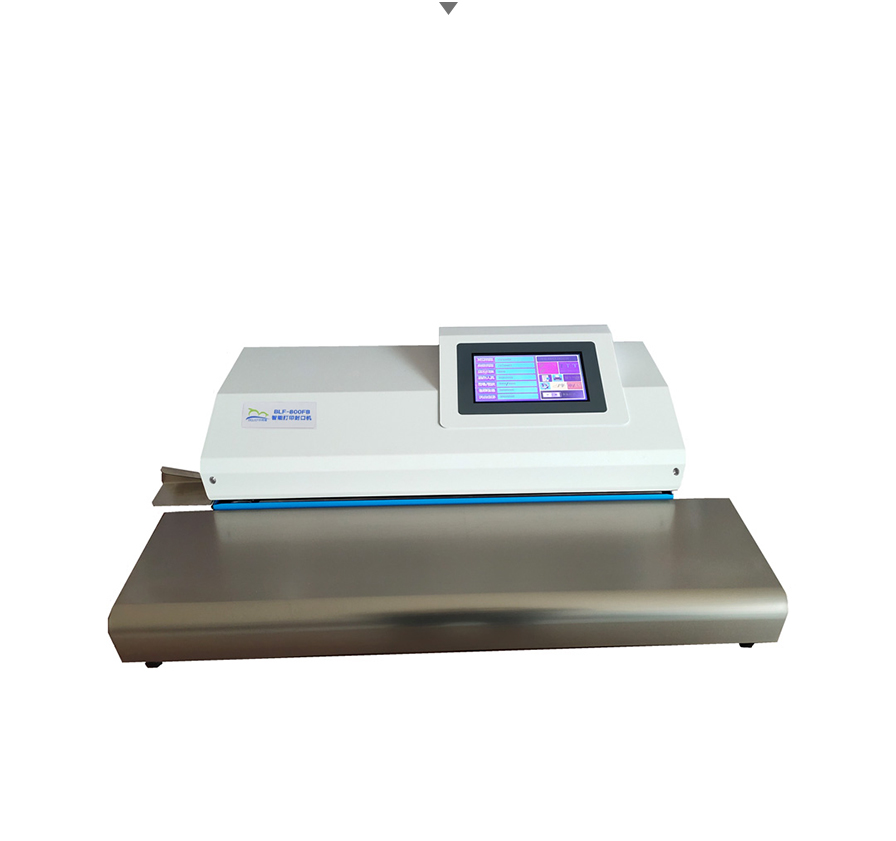
The dental plaque removal tool has undergone a remarkable transformation throughout the history of dentistry, evolving from basic hand instruments to sophisticated modern equipment that defines contemporary dental practice. Today's dental professionals rely on advanced dental plaque removal tool technology to deliver precise, efficient, and comfortable patient care that was unimaginable just decades ago. This evolution represents not just technological advancement, but a fundamental shift in how dental practitioners approach preventive care and patient outcomes.

Understanding the progression of the dental plaque removal tool reveals crucial insights into why modern dental equipment has become indispensable for professional practice. From ancient civilizations using rudimentary picks to today's ultrasonic scalers and specialized indicators, each advancement has addressed specific challenges in plaque detection and removal. Modern dental professionals require comprehensive knowledge of both traditional and innovative dental plaque removal tool options to provide optimal patient care and maintain competitive practice standards.
Historical Development of Dental Plaque Removal Tools
Ancient and Medieval Foundations
The earliest forms of dental plaque removal tool can be traced back to ancient civilizations where dental hygiene was already recognized as essential for overall health. Archaeological evidence shows that ancient Egyptians, Greeks, and Romans developed primitive but effective instruments for cleaning teeth and removing plaque buildup. These early tools laid the groundwork for modern dental plaque removal tool development by establishing fundamental principles that remain relevant today.
Medieval practitioners advanced these concepts by creating more refined instruments, often crafted by skilled metalworkers who understood the delicate balance between effectiveness and patient comfort. The medieval dental plaque removal tool represented a significant step forward in precision and durability, with some designs influencing contemporary instrument manufacturing. These historical developments demonstrate how the core function of the dental plaque removal tool has remained consistent while the methods and materials have evolved dramatically.
Industrial Revolution Impact
The Industrial Revolution marked a pivotal moment in dental plaque removal tool evolution, introducing mass production techniques and standardized manufacturing processes. This period saw the emergence of more consistent, reliable instruments that could be reproduced at scale, making quality dental tools more accessible to practitioners worldwide. The standardization of the dental plaque removal tool during this era established many design principles that continue to influence modern equipment development.
Manufacturing innovations during the Industrial Revolution also introduced new materials and alloys that improved the durability and effectiveness of each dental plaque removal tool. Steel quality improvements, precision machining capabilities, and ergonomic considerations began shaping instrument design in ways that prioritized both functionality and practitioner comfort. These developments created the foundation for modern dental equipment standards and quality expectations.
Modern Technological Innovations in Plaque Removal
Ultrasonic and Sonic Technologies
Contemporary dental practice has been revolutionized by ultrasonic and sonic dental plaque removal tool technologies that offer unprecedented precision and efficiency. These advanced systems utilize high-frequency vibrations to break down plaque and calculus while minimizing patient discomfort and reducing treatment time. The modern ultrasonic dental plaque removal tool represents the pinnacle of current technology, combining power with gentle action that preserves tooth structure while effectively removing stubborn deposits.
The integration of cooling systems and adjustable power settings in modern sonic dental plaque removal tool equipment allows practitioners to customize treatment for each patient's specific needs. This technological sophistication enables more conservative treatment approaches that preserve healthy tissue while thoroughly addressing plaque accumulation. Advanced ultrasonic dental plaque removal tool systems also incorporate feedback mechanisms that optimize performance based on real-time conditions.
Digital Integration and Smart Features
Modern dental plaque removal tool technology increasingly incorporates digital features and smart sensors that enhance diagnostic capabilities and treatment precision. These innovations include pressure sensors that prevent excessive force application, automated timing systems that ensure thorough coverage, and digital interfaces that track treatment progress. The integration of digital technology into the dental plaque removal tool workflow represents a significant advancement in evidence-based dentistry.
Smart dental plaque removal tool systems now offer connectivity features that integrate with practice management software, enabling comprehensive patient records and treatment tracking. This digital integration allows practitioners to monitor long-term oral health trends and adjust preventive protocols based on individual patient responses. The data collection capabilities of modern dental plaque removal tool equipment support more personalized and effective treatment planning.
Essential Categories of Professional Dental Plaque Removal Tools
Hand Instruments and Manual Tools
Despite technological advances, traditional hand-held dental plaque removal tool instruments remain essential components of comprehensive dental care. These precision instruments include scalers, curettes, and specialized picks designed for specific tooth surfaces and plaque removal challenges. The tactical feedback provided by manual dental plaque removal tool equipment allows experienced practitioners to detect subtle changes in tooth surface texture and plaque consistency.
Modern manufacturing techniques have enhanced traditional dental plaque removal tool designs with improved steel quality, ergonomic handles, and specialized coating that reduce hand fatigue during extended procedures. The precision achievable with skillfully used manual instruments often exceeds that of powered alternatives in certain clinical situations. Professional-grade hand dental plaque removal tool sets represent a significant investment that pays dividends in treatment quality and practitioner satisfaction.
Powered and Electric Systems
Electric dental plaque removal tool systems offer consistent power delivery and reduced operator fatigue, making them invaluable for high-volume practices and challenging cases. These systems include rotary instruments, reciprocating devices, and oscillating tools that maintain optimal performance regardless of operator technique variations. The reliability of electric dental plaque removal tool equipment ensures consistent treatment quality across different practitioners and patient conditions.
Advanced electric dental plaque removal tool systems incorporate variable speed controls, torque limiting features, and specialized tip designs that optimize performance for different clinical applications. The evolution of battery technology has made cordless options increasingly viable, offering the convenience of unrestricted movement without compromising power or reliability. Modern electric dental plaque removal tool equipment balances power with precision to meet diverse clinical requirements.
Specialized Applications and Clinical Considerations
Pediatric and Geriatric Adaptations
Specialized dental plaque removal tool designs address the unique challenges of treating pediatric and geriatric populations, requiring modified approaches that consider anatomical differences and behavioral factors. Pediatric-specific instruments feature smaller working ends, gentler action, and often incorporate colorful designs that reduce patient anxiety. The pediatric dental plaque removal tool must balance effectiveness with comfort to establish positive dental experiences that encourage lifelong oral health habits.
Geriatric applications require dental plaque removal tool modifications that account for increased tissue sensitivity, medication effects, and potential mobility limitations. Specialized tools for elderly patients often feature enhanced visibility aids, gentle action settings, and ergonomic designs that accommodate both patient and provider comfort. The geriatric-focused dental plaque removal tool represents an important specialization within modern dental equipment.
Periodontal and Maintenance Protocols
Periodontal therapy demands sophisticated dental plaque removal tool capabilities that can access subgingival areas while preserving delicate tissues. Specialized periodontal instruments feature extended working lengths, modified angulations, and ultra-thin profiles that enable effective cleaning in compromised periodontal environments. The periodontal dental plaque removal tool requires exceptional precision to remove pathogenic bacteria while promoting tissue healing.
Maintenance protocols incorporating regular dental plaque removal tool application have proven essential for preventing periodontal disease progression and supporting long-term oral health. These protocols require practitioners to select appropriate instruments based on individual patient risk factors, pocket depths, and tissue characteristics. Effective maintenance programs demonstrate the preventive value of consistent dental plaque removal tool utilization in professional dental care.
Future Trends and Professional Implications
Emerging Technologies and Materials
The future of the dental plaque removal tool involves emerging technologies including laser systems, photodynamic therapy, and nanotechnology applications that promise even more effective and comfortable plaque removal. These innovations focus on selective targeting of pathogenic bacteria while preserving beneficial oral microorganisms. Advanced materials science continues to improve dental plaque removal tool durability, biocompatibility, and performance characteristics.
Research into bioactive materials and smart polymers suggests future dental plaque removal tool designs may incorporate self-cleaning properties, antimicrobial coatings, and responsive materials that adapt to clinical conditions. These developments could revolutionize infection control protocols and instrument maintenance requirements. The integration of artificial intelligence into dental plaque removal tool systems may provide real-time guidance for optimal technique and pressure application.
Practice Integration and Training Requirements
Successfully integrating advanced dental plaque removal tool technology requires comprehensive training programs that address both technical operation and clinical decision-making. Modern practitioners must understand how to select appropriate tools for specific clinical situations and patient populations. The complexity of contemporary dental plaque removal tool options demands ongoing education to maintain proficiency and optimize patient outcomes.
Practice management considerations include equipment maintenance protocols, staff training requirements, and patient education programs that explain the benefits of advanced dental plaque removal tool technology. Investment in quality equipment and proper training typically results in improved patient satisfaction, enhanced treatment outcomes, and increased practice efficiency. The professional reputation benefits of utilizing state-of-the-art dental plaque removal tool equipment often justify the initial investment through improved patient retention and referral generation.
FAQ
What makes modern dental plaque removal tools more effective than traditional instruments?
Modern dental plaque removal tools incorporate advanced materials, precision manufacturing, and technological features like ultrasonic vibrations and digital controls that enhance effectiveness while reducing patient discomfort. These improvements allow for more thorough plaque removal with less tissue trauma and improved patient acceptance compared to traditional hand instruments alone.
How often should dental practices upgrade their plaque removal tool equipment?
Dental practices should evaluate their dental plaque removal tool inventory every 3-5 years to ensure they maintain current technology standards and optimal performance. However, the upgrade timeline may vary based on patient volume, equipment usage intensity, and availability of significant technological improvements that could enhance patient care or practice efficiency.
What training is required for staff to effectively use advanced dental plaque removal tools?
Effective use of advanced dental plaque removal tools requires comprehensive training that includes proper technique, safety protocols, equipment maintenance, and patient communication. Most manufacturers provide initial training programs, but ongoing education through continuing education courses and hands-on workshops ensures staff maintain proficiency with evolving technology and best practices.
Are specialized dental plaque removal tools necessary for all types of dental practices?
While basic dental plaque removal tools are essential for all dental practices, specialized equipment selection depends on the practice's patient demographics, treatment focus, and clinical goals. General practices benefit from versatile tools that handle diverse cases, while specialized practices like periodontics may require more advanced and specific dental plaque removal tool options to meet their patients' unique needs.
Table of Contents
- Historical Development of Dental Plaque Removal Tools
- Modern Technological Innovations in Plaque Removal
- Essential Categories of Professional Dental Plaque Removal Tools
- Specialized Applications and Clinical Considerations
- Future Trends and Professional Implications
-
FAQ
- What makes modern dental plaque removal tools more effective than traditional instruments?
- How often should dental practices upgrade their plaque removal tool equipment?
- What training is required for staff to effectively use advanced dental plaque removal tools?
- Are specialized dental plaque removal tools necessary for all types of dental practices?