
 EN
EN
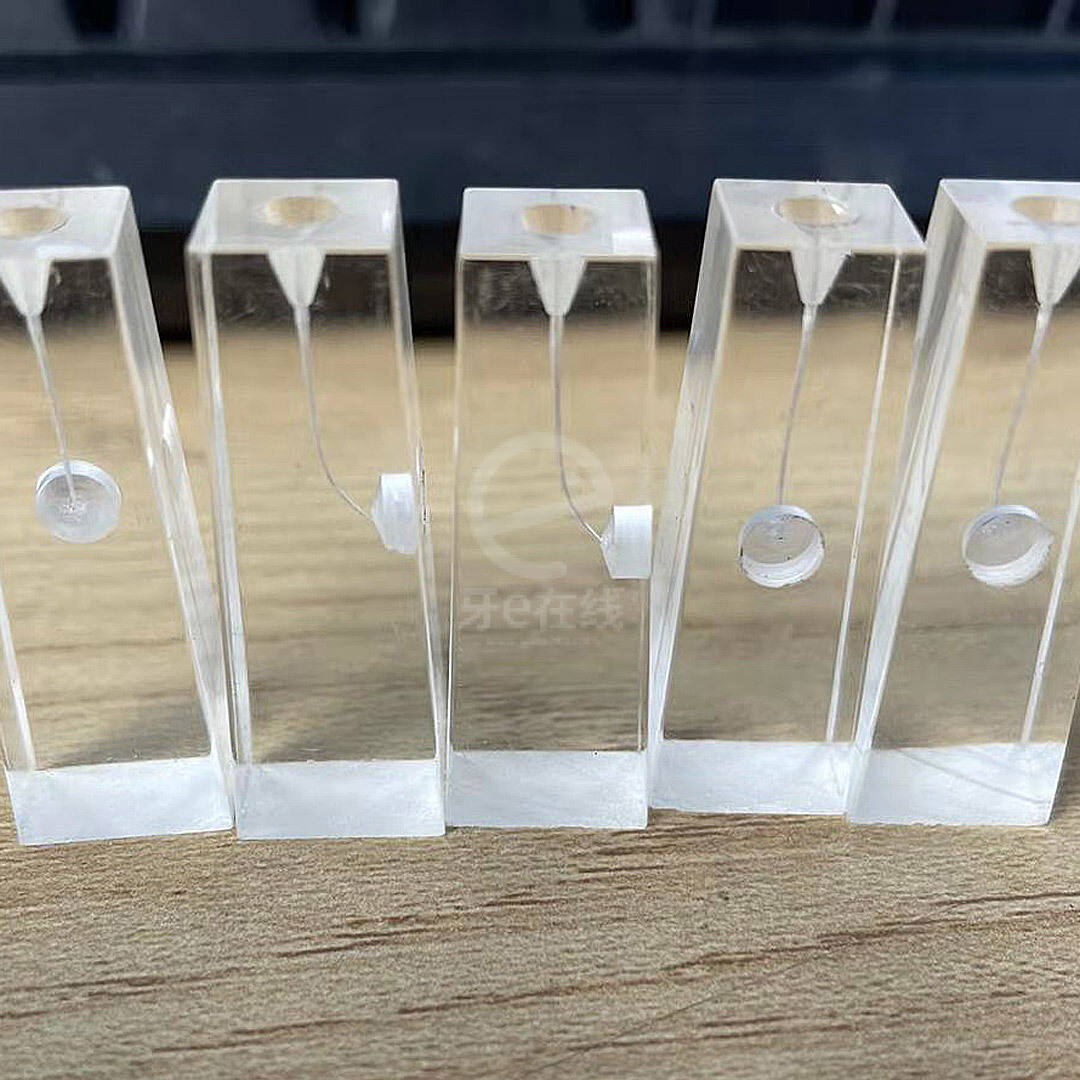
In the rapidly evolving healthcare landscape, dental practices face increasing pressure to maintain strict compliance standards while delivering exceptional patient care. The quality and safety of dental supplies directly impact patient outcomes, making regulatory compliance not just a legal requirement but a fundamental aspect of professional responsibility. Understanding which certifications your dental supplies must meet ensures your practice operates within established safety protocols while protecting both patients and staff from potential hazards.
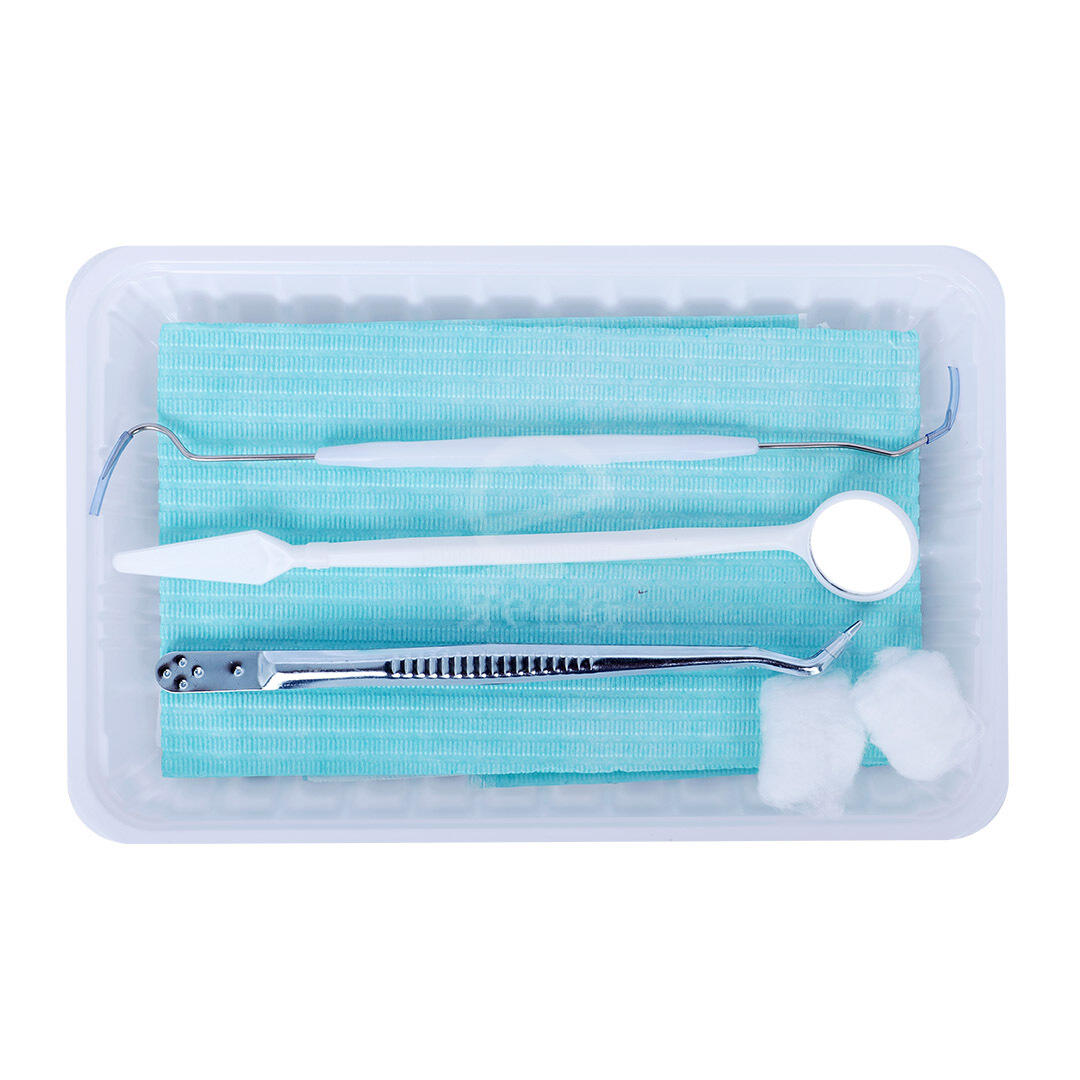
Modern dental practices must navigate a complex web of regulatory requirements that span multiple governmental agencies and international standards organizations. These certifications serve as quality benchmarks that verify products meet rigorous safety, efficacy, and manufacturing standards. For dental professionals, selecting certified supplies represents a crucial investment in patient safety, legal protection, and practice reputation.
FDA Regulatory Framework for Dental Medical Devices
Classification System and Requirements
The Food and Drug Administration classifies dental medical devices into three distinct categories based on risk levels and regulatory control requirements. Class I devices, considered lowest risk, include basic examination instruments and simple diagnostic tools that require general controls such as establishment registration and device listing. These products typically undergo minimal regulatory oversight but must still comply with quality system regulations and labeling requirements.
Class II devices encompass the majority of dental equipment and supplies, including dental handpieces, composite materials, and imaging equipment. These products require premarket notification through the 510(k) pathway, demonstrating substantial equivalence to legally marketed devices. Manufacturers must provide clinical data, performance testing results, and comprehensive labeling information to gain FDA clearance.
Class III devices represent the highest risk category, including dental implants and certain specialized surgical instruments. These products require premarket approval through extensive clinical trials and rigorous safety evaluations. The PMA process involves comprehensive review of manufacturing processes, clinical effectiveness data, and long-term safety profiles.
Quality System Regulation Compliance
FDA Quality System Regulation establishes mandatory requirements for medical device manufacturers, ensuring consistent product quality and safety throughout the manufacturing process. These regulations cover design controls, document management, corrective and preventive actions, and management responsibility. Dental practices should verify that their suppliers maintain current QSR compliance through regular audits and documentation reviews.
The QSR framework requires manufacturers to implement comprehensive quality management systems that address product development, production, and post-market surveillance activities. This includes maintaining detailed records of design inputs, verification and validation testing, and risk management processes. For dental supplies, QSR compliance ensures that products consistently meet specified requirements and perform as intended in clinical environments.
International Standards and Certifications
ISO 13485 Medical Device Quality Management
ISO 13485 represents the international standard for quality management systems specifically designed for medical device organizations. This certification demonstrates that manufacturers have implemented comprehensive quality management systems that meet global regulatory requirements. For dental practices, selecting suppliers with ISO 13485 certification ensures access to products manufactured under internationally recognized quality standards.
The standard emphasizes risk-based approaches to quality management, requiring organizations to identify and control risks throughout the product lifecycle. This includes design and development processes, supplier management, and post-market surveillance activities. ISO 13485 certification also facilitates market access in multiple countries, as many regulatory authorities recognize this standard as evidence of quality system compliance.
Regular surveillance audits and recertification processes ensure ongoing compliance with ISO 13485 requirements. Manufacturers must demonstrate continuous improvement in their quality management systems and maintain detailed documentation of all quality-related activities. This systematic approach to quality management translates into more reliable and safer dental supplies for clinical use.
CE Marking and European Compliance
CE marking indicates conformity with European Union health, safety, and environmental protection standards for products sold within the European Economic Area. For dental supplies, CE marking demonstrates compliance with the Medical Device Regulation, which establishes stringent requirements for product safety and performance. This certification involves comprehensive technical documentation, risk analysis, and clinical evaluation processes.
The Medical Device Regulation requires manufacturers to conduct thorough clinical evaluations and post-market clinical follow-up activities. This includes analyzing clinical data from literature reviews, clinical investigations, and post-market surveillance studies. CE marking also requires involvement of notified bodies for higher-risk devices, providing independent assessment of conformity with regulatory requirements.
Infection Control and Safety Standards
CDC Guidelines and Recommendations
The Centers for Disease Control and Prevention provides comprehensive guidelines for infection prevention and control in dental healthcare settings. These recommendations address the selection and use of personal protective equipment, surface disinfection products, and sterilization equipment. Compliance with CDC guidelines helps ensure that dental supplies meet established standards for infection control and patient safety.
CDC guidelines emphasize the importance of using EPA-registered disinfectants and following manufacturer instructions for proper use and contact times. For dental supplies such as surface barriers and disinfection products, EPA registration provides assurance that products have demonstrated efficacy against relevant pathogens. Regular updates to CDC guidelines reflect evolving understanding of infection transmission and control strategies.
Implementation of CDC recommendations requires careful selection of certified products and staff training on proper use procedures. This includes understanding the limitations and appropriate applications of different infection control products. Dental practices should maintain documentation of their infection control protocols and regularly review compliance with current CDC guidelines.
OSHA Bloodborne Pathogen Standard
The Occupational Safety and Health Administration requires dental practices to implement comprehensive bloodborne pathogen exposure control plans. This includes selecting appropriate personal protective equipment that meets established performance standards and provides adequate protection against occupational exposure. OSHA standards specify requirements for gloves, masks, protective eyewear, and protective clothing used in dental settings.
Personal protective equipment used in dental practices must meet specific performance criteria established by consensus standards organizations. For example, surgical masks must demonstrate bacterial filtration efficiency and fluid resistance according to ASTM standards. Similarly, protective eyewear must provide adequate coverage and impact resistance to protect against splashing and spatter during dental procedures.
Material Safety and Biocompatibility
ISO 10993 Biological Evaluation Standards
ISO 10993 provides a systematic framework for evaluating the biological safety of medical devices and materials used in healthcare applications. This series of standards addresses various aspects of biocompatibility testing, including cytotoxicity, sensitization, irritation, and systemic toxicity evaluations. For dental supplies that come into contact with patients, ISO 10993 compliance ensures that materials have undergone appropriate biological safety testing.
The biological evaluation process considers the nature and duration of patient contact, as well as the specific clinical application of the device or material. This risk-based approach ensures that testing requirements are appropriate for the intended use and potential exposure scenarios. ISO 10993 compliance provides assurance that dental materials will not cause adverse biological responses in patients.
Regular updates to ISO 10993 standards reflect advances in testing methodologies and scientific understanding of biological interactions. Manufacturers must stay current with evolving requirements and may need to conduct additional testing when standards are revised. This ongoing commitment to biological safety evaluation helps ensure the continued safety of dental supplies throughout their lifecycle.
Chemical Safety and Environmental Considerations
Chemical safety considerations for dental supplies extend beyond immediate patient contact to include environmental impact and disposal requirements. Many dental materials contain chemicals that require special handling, storage, and disposal procedures to protect both healthcare workers and the environment. Safety Data Sheets provide essential information about chemical composition, hazards, and safe handling procedures.
Environmental regulations increasingly influence the selection and use of dental supplies, particularly those containing heavy metals or other potentially harmful substances. Green chemistry initiatives promote the development of more environmentally friendly alternatives while maintaining clinical effectiveness. Dental practices should consider both immediate safety requirements and long-term environmental implications when selecting certified supplies.
Documentation and Traceability Requirements
Device Identification and Labeling
Proper device identification and labeling play crucial roles in ensuring the safe and effective use of dental supplies. FDA labeling requirements specify mandatory information that must appear on device packaging and instructions for use. This includes device identification numbers, expiration dates, sterilization indicators, and contraindications or warnings relevant to clinical use.
Unique Device Identification systems provide standardized methods for identifying and tracking medical devices throughout their lifecycle. UDI requirements facilitate more efficient recalls, improve post-market surveillance, and enhance supply chain management. For dental practices, UDI compliance supports better inventory management and helps ensure the use of properly identified and traceable products.
Clear and comprehensive labeling also includes instructions for use, storage requirements, and compatibility information. This documentation ensures that dental professionals have access to essential information needed for safe and effective product use. Regular review of labeling information helps identify any changes in recommendations or precautions that may affect clinical use.
Record Keeping and Audit Trails
Comprehensive record keeping supports regulatory compliance and provides documentation for quality assurance activities. Dental practices should maintain records of supplier certifications, product lot numbers, and any adverse events or product performance issues. This documentation facilitates investigation of problems and supports regulatory reporting requirements.
Electronic record systems can streamline documentation processes and provide better organization of compliance-related information. Digital systems also support more efficient searching and retrieval of information during inspections or audits. Regular backup procedures and data security measures protect important compliance documentation from loss or unauthorized access.
FAQ
What is the difference between FDA clearance and approval for dental supplies?
FDA clearance refers to the 510(k) premarket notification process for Class II medical devices, where manufacturers demonstrate substantial equivalence to legally marketed devices. This process typically requires less extensive clinical data and takes several months to complete. FDA approval, on the other hand, applies to Class III devices through the Premarket Approval pathway, which requires comprehensive clinical trials and extensive safety data, often taking years to complete.
How often should dental practices verify supplier certifications?
Dental practices should verify supplier certifications annually or whenever changing suppliers. Key certifications such as ISO 13485 and FDA registrations should be checked for current status and expiration dates. Additionally, practices should monitor FDA recalls and safety communications that may affect their supplies. Maintaining a supplier qualification program with regular audits helps ensure ongoing compliance with certification requirements.
Are there specific certification requirements for infection control products used in dentistry?
Yes, infection control products used in dental settings must meet specific EPA and FDA requirements. Surface disinfectants must be EPA-registered with demonstrated efficacy against relevant pathogens. Sterilization equipment requires FDA clearance and must meet performance standards for their intended use. Personal protective equipment must comply with relevant ASTM or other consensus standards for filtration efficiency, fluid resistance, and other protective properties.
What documentation should dental practices maintain to demonstrate compliance with certification requirements?
Dental practices should maintain copies of supplier certificates, FDA device listings, material safety data sheets, and instructions for use. Documentation should also include records of staff training on proper use procedures, maintenance logs for equipment, and any adverse event reports. Regular audit trails and inspection records help demonstrate ongoing compliance with regulatory requirements and support quality assurance activities.
Table of Contents
- FDA Regulatory Framework for Dental Medical Devices
- International Standards and Certifications
- Infection Control and Safety Standards
- Material Safety and Biocompatibility
- Documentation and Traceability Requirements
-
FAQ
- What is the difference between FDA clearance and approval for dental supplies?
- How often should dental practices verify supplier certifications?
- Are there specific certification requirements for infection control products used in dentistry?
- What documentation should dental practices maintain to demonstrate compliance with certification requirements?