 EN
EN
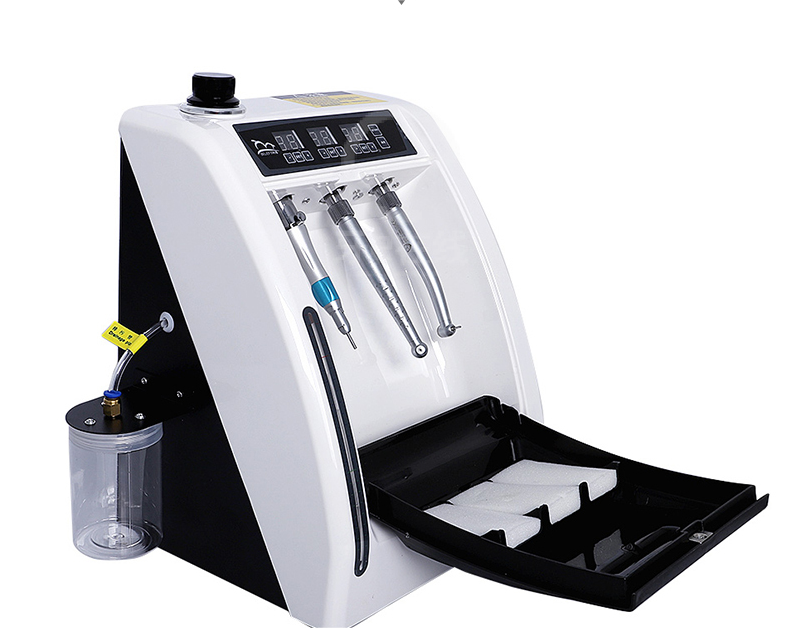
Mbajtja e higjenës orale optimale kërkon qasjen dhe pajisjet e duhura, veçanërisht kur bëhet fjalë për heqjen efektive të shtresës së plakut. Kujdesi modern dental ka evoluar për të ofruar shumë mundësi për heqjen e plakut, ku metodat manuale dhe ultrasonike janë në ballë të përdorimit profesional dhe në kujdesin në shtëpi. Kuptimi i ndryshimeve midis këtyre qasjeve është thelbësor për të marrë vendime të informuara rreth rutinës suaj të shëndetit oral dhe për të zgjedhur mjetin më të përshtatshëm për heqjen e plakut dental për nevojat tuaja specifike.
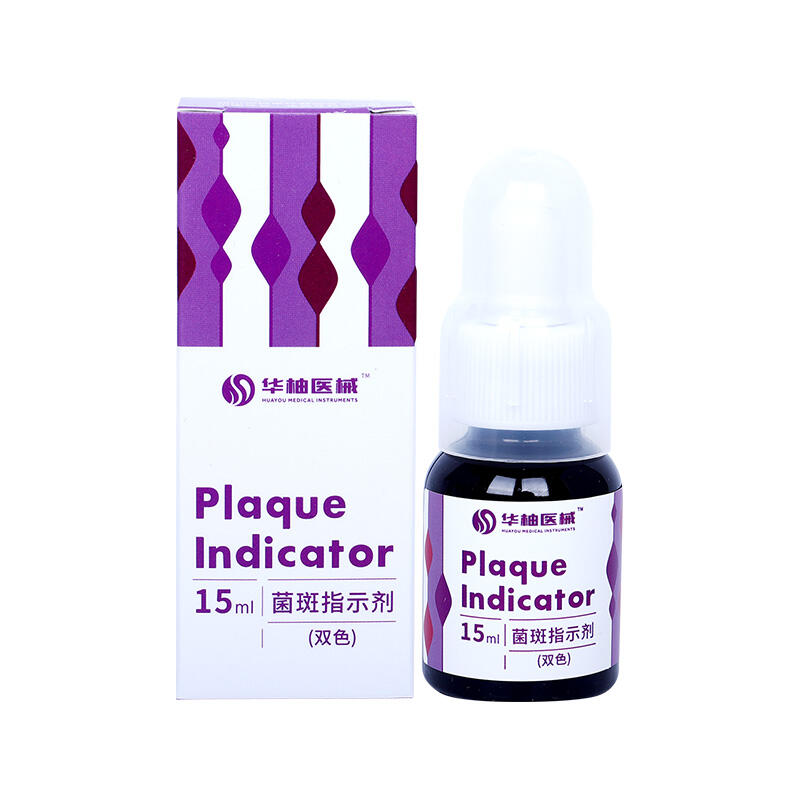
Kuptimi i Formimit të Plakut Dental dhe i Sfideve të Heqjes së Tij
Shkenca Pas Akumulimit të Plakut
Plaku dental formohet si një biofilm i përbërë nga bakteriet, grimcat e ushqimit dhe saliva që ngjiten në sipërfaqet e dhëmbëve brenda orëve pas pastrimit. Kjo lëndë ngjitëse fillon të zhvillohet menjëherë pas fshirjes dhe mund të ngurtësohet në tartar nëse nuk hiqet brenda 24–72 orëve. Procesi i formimit përfshin shumë specie bakteresh që krijojnë një ekosistem të komplikuar në sipërfaqet e dhëmbëve, duke bërë heqjen efektive gjithnjë e më të vështirë kur biofilmi pjeket.
Vendndodhja e akumulimit të plakut ndryshon në mënyrë të konsiderueshme midis individëve, me zonat e zakonshme të problemit që përfshijnë vijën e gingive, hapësirat ndërdhëmbore dhe molarët posteriore. Kuptimi i këtyre modeleve ndihmon në përcaktimin e mjetit më efektiv për heqjen e plakut dental për kërkesat e veçanta të pastrimit. Vlerësimet profesionale dentare shpesh zbulojnë zona ku fshirja e zakonshme nuk arrin, duke theksuar nevojën për teknika të specializuara heqjeje.
Ndikimi i heqjes së papërsosur të plakut
Largimi i papërshtatshëm i plakës çon në një rënie progresive të shëndetit oral, duke filluar me gingivitin dhe potencialisht duke kaluar në periodontit. Toksinat bakteriale që prodhohen brenda depozitave të plakës shkaktojnë përgjigje inflamatore në indin e fijëzës, duke shkaktuar kuqësi, shpërndarje dhe gjakderdhje. Pa ndërhyrje të duhur me një mjet të përshtatshëm për largimin e plakës dentare, këto gjendje mund të zhvillohen në komplikime më serioze, përfshirë humbjen e dhëmbëve dhe probleme të shëndetit sistemi.
Hulumtimet tregojnë korrelacione të forta midis shëndetit oral dhe sëmundjeve kardiovaskulare, menaxhimit të diabetit dhe shëndetit të rrugëve të frymëmarrjes. Ngarkesa bakteriale nga plaka e patraktuar mund të hyjë në sistem qarkullues përmes indit të fijëzës të inflamuar, duke kontribuar në proceset inflamatore në të gjithë trupin. Ky lidhje thekson rëndësinë e zgjedhjes së metodave efektive të largimit dhe mbajtjes së praktikave të përditshme të higjenës orale.
Metodat Manuale për Largimin e Plakës Dentare
Instrumentet dhe Teknikat Tradicionale me Dore
Largimi manual i plakës mbështetet në veprimin mekanik duke përdorur instrumente me dorë, siç janë skalerët, kuretet dhe fshërkuesit specializuar. Këto mjete kërkojnë një teknikë të saktë dhe shtypje adekuate për të shpërqyndur efikasisisht adhezionin e biofilm-it pa dëmtuar sipërfaqet e dhëmbëve ose indet e buta. Higjenistët profesionalë dentalë përcjellin një trajnim të gjatë për të mësuar këto teknika, duke siguruar largimin e sigurt dhe të plotë të plakës gjatë paqësimeve rutine.
Efikasiteti i metodave manuale varet shumë nga aftësia e operatorit, bashkëpunimi i pacientit dhe qasja në zonat e prekura. Vendet e vështira për t'u arritur, siç janë xhepat e thellë periodontalë ose dhëmbët e ngushtuar, paraqesin sfida të mëdha për instrumentet manuale. Për spite këtyre kufizimeve, shumë profesionistë dentalë preferojnë teknikat manuale për feedback-un taktil që ofrojnë dhe kontrollin e saktë, veçanërisht kur punojnë rreth restaurimeve të ndjeshme ose sipërfaqeve të rrënjëve të ndjeshme.
Përparësitë e Teknikave të Largimit Manual
Mjetet manuale për heqjen e plakut dental ofrojnë disa avantazhe të veçanta, përfshirë efikasitetin në kostos, shumëfunksionalitetin dhe disponueshmërinë universale. Këto instrumente nuk kërkojnë energji elektrike as mirëmbajtje specializuar, çka i bën ato të arritshme në një sërë mjedise klinike dhe të kujdesit në shtëpi. Sensacioni taktil që ofrojnë mjetet manuale lejon përdoruesit të zbulojnë depozitat e tartarit dhe të rregullojnë shtypjen përkatësisht, duke zvogëluar rrezikun e dëmtimit të indit.
Higjenistët profesionalë dentalë raportojnë shpesh precizion më të lartë kur përdorin instrumente manuale për procedurat e debridementit subgingival dhe planifikimit të rrënjës. Shtypja e kontrolluar dhe këndi i mundshëm me instrumentet me dorë lejojnë pastrimin e thellë të sipërfaqeve të rrënjëve të palëvizshme dhe të zonave të furkacionit. Për më tepër, metodat manuale nuk prodhojnë aerosole, çka i bën ato të preferuara gjatë protokolleve të kontrollit të infeksioneve ose kur trajtohen pacientë me kushte respiratore.
Teknologjia Ultrasonike për Heqjen e Plakut Dental
Mekanizmi i Veprimit të Pastrimit Ultrasonik
Mjetet ultrasonike për heqjen e plakës së dhëmbëve funksionojnë përmes vibrimeve me frekuencë të lartë që krijojnë shkëputje mekanike dhe efekte rrjedhëje akustike. Majësia vibrore gjeneron flluska mikroskopike në lëngun e irigacionit, të cilat shpërthejnë kur takojnë depozitat e plakës, duke krijuar forca të fuqishme pastrimi. Ky proces i kavitacionit, i kombinuar me veprimin mekanik të majësisë që oscilon, shpërbën efektivisht matricat e biofilmave dhe heq depozitat e ngjitura.
Rangu i frekuencave të pajisjeve ultrasonike zakonisht është midis 25.000 dhe 50.000 Hz, ku frekuencat e ndryshme ofrojnë thellësi të ndryshme penetrimi dhe karakteristika të ndryshme pastrimi. Frekuencat më të larta ofrojnë një veprim më të butë, i përshtatshëm për procedurat e mirëmbajtjes, ndërsa frekuencat më të ulëta sigurojnë fuqi pastrimi më agresive për heqjen e kalkulit të rëndë. Sistemet moderne ultrasonike shpesh kanë rregullime të ndryshueshme të fuqisë dhe dizajne të veçanta të majësive, të optimizuara për aplikime klinike specifike.
Zbatimet Klinike dhe Efikasiteti
Teknologjia ultrasonike ka rivolucionarizuar pastrimin profesional të dhëmbëve duke zvogëluar në mënyrë të konsiderueshme kohën e trajtimit, ndërkohë që përmirëson komoditetin e pacientit. Studimet tregojnë efikasitet superior në heqjen e plakut krahasuar me metodat manuale, veçanërisht në zona me qasje të kufizuar, si p.sh. xhepat periodontale të thella dhe konkavitete të rrënjëve. Irrigimi i vazhdueshëm i siguruar nga sistemet ultrasonike ndihmon në largimin e mbetjeve dhe baktereve nga zonat e trajtuara, duke ruajtur njëkohësisht hidratimin e indit.
Hulumtimet tregojnë se mjeteve ultrasonike për heqjen e plakut dental mund t’i arrijnë rezultate klinike të barabarta ose më të mira se skalimi manual, me reduktim të lodhjes së operatorit dhe përmirësim të pranimit nga pacienti. Zvogëlimi i kohës së trajtimit dhe komoditeti i përmirësuar bëjnë metodat ultrasonike veçanërisht të dobishme për pacientët me depozita të mëdha kalkuli ose ato që kërkojnë vizita të shpeshta mirëmbajtjeje. Megjithatë, teknika e duhur dhe rregullimet e përshtatshme të fuqisë mbeten të domosdoshme për arritjen e rezultateve optimale pa shkaktuar dëmtim të indit.
Analizë krahasuese e efektivitetit të heqjes
Studimet Klinike dhe Metrikat e Performancës
Kërkimi klinik i gjerë ka vlerësuar efikasitetin relativ të metodave manuale kundrejt atyre ultrasonike për heqjen e plakut në popullacione të ndryshme pacientësh dhe skenare klinike të ndryshme. Përmbledhjet sistematike tregojnë vazhdimisht se të dyja metodat arrijnë reduktim të konsiderueshëm të plakut kur aplikohen saktë, me avantazhe të vogla të metodave ultrasonike në terma efikasiteti kohor dhe komoditetit për pacientin. Megjithatë, cilësia e rezultateve varet shumë nga trajnimi i operatorit dhe përsosja e teknikës.
Vlerësimet sasive duke përdorur indekset e plakut tregojnë se mjeteve ultrasonike për heqjen e plakut dental i arrijnë zakonisht 15–20% efikasitet më të lartë në heqjen e depozitave të biofilmës krahasuar me instrumentet manuale vetëm. Ky avantazh bëhet edhe më i shquar te pacientët me akumulim të rëndë të kalkulusit ose te ata me dexteritet manual të kufizuar, të cilët nuk mund të mbajnë higjenën orale optimale në mënyrë të pavarur. Studimet e gjatëkohëshme tregojnë rezultate klinike të ngjashme midis metodave kur përdoren si pjesë e programeve të terapisë periodontale të plotë.
Faktorët e Përcaktuar nga Pacienti që Ndikojnë në Zgjedhje
Karakteristikat individuale të pacientit ndikojnë në mënyrë të konsiderueshme në zgjedhjen e metodave të përshtatshme për heqjen e plakut, ku faktorë si moshë, histori mjekësore dhe anatomia orale luajnë role themelore. Pacientët me marraç elektrik kardiake mund të kërkojnë parabujime specifike kur përdoren pajisje ultrazonike, ndërsa ata me reflekse të forta të vjelljes zakonisht tolerojnë më mirë procedurat ultrazonike për shkak të zvogëlimit të kohës së trajtimit. Pranicia e implanteve dhëmbore, aparateve ortodontike ose restaurimeve të gjerë mund të favorizojë një qasje në vend të tjetrë.
Statusi periodontal përfaqëson një tjetër konsideratë kritike, pasi pacientët me periodontit të avancuar shpesh profitojnë nga aftësitë e përmirësuara të penetrimit të sistemeve ultrazonike. Në kundërshtim, individët me biotip gingival të hollë ose me procedura kirurgjikale të fundit mund të kërkojnë qasjen më të butë që ofrojnë teknikat manuale me kontroll të kujdesshëm. Zgjedhja e një mjet për heqjen e plakës dentare duhet të marrë gjithmonë në konsideratë këto faktorë individuale bashkë me të dhënat për efikasitetin klinik.
Konsideratat e Kostos dhe Aksesibiliteti
Investimi Fillor dhe Larg dhe Kostet Operative
Aspektet financiare të zbatimit të metodave të ndryshme të heqjes së plakës ndryshojnë në mënyrë të konsiderueshme midis qasjes manuale dhe atij ultrasonik. Instrumentet manuale kërkojnë një investim fillestar minimal, ku skalerët dhe kuretet me cilësi të lartë janë të disponueshëm me koste të arsyeshme. Megjithatë, këto mjete kërkojnë një marrje të rregullt të mprehtësisë dhe në fund të fundit zëvendësim për shkak të konsumimit, duke krijuar shpenzime operative të vazhdueshme. Natyra e punës së rëndë e skalimit manual ndikon gjithashtu në kostot e përgjithshme të trajtimit përmes rritjes së kohës së nevojshme në karrige.
Sistemet ultrasonike përfshijnë koste të konsiderueshme fillestare për blerjen e pajisjeve, instalimin dhe trajnimin e stafit. Njësitë moderne me karakteristika të përparuara dhe mundësi të shumta për majat mund të paraqesin investime kapitali të konsiderueshme për praktikat dentare. Megjithatë, efikasiteti i përmirësuar dhe zvogëlimi i kohës së trajtimit shpesh kompensojnë këto koste fillestare përmes rritjes së numrit të pacientëve që trajtohen dhe përmirësimit të prodhimit të praktikës. Kontratat e mirëmbajtjes dhe zëvendësimi periodik i majave janë shpenzime operative të vazhdueshme që duhet të merren parasysh në analizat e kostos dhe të përfitimit.
Mbulimi nga sigurimet dhe aftësia e pacientëve për t’i paguar
Shumica e planeve të sigurimit dentar ofrojnë mbulim të barabartë për procedurat profesionale të pastrimit, pavarësisht nga mjeti specifik i heqjes së plakut dentar që përdoret gjatë trajtimit. Megjithatë, shpeshtësia e mbulimit dhe kufizimet vjetore mund të ndikojnë në vendimet e planifikimit të trajtimit, veçanërisht për pacientët që kërkojnë terapi intensive periodontale. Disa sigurues ofrojnë mbulim të përmirësuar për procedurat ultrasonike kur kjo është e nevojshme mjekësisht, për shkak të kushteve specifike të pacientit ose kërkesave të trajtimit.
Shpenzimet personale të pacientit zakonisht mbeten të ngjashme midis metodave manuale dhe ultrasonike kur faturimi bëhet si procedura standard e profilaksise. Megjithatë, sesionet e zgjatura të trajtimit ose procedurat specializuara mund të sjellin kostot shtesë që ndryshojnë në varësi të kompleksitetit dhe të kohëzgjatjes së kujdesit të kërkuar. Praktikat dentare po ofrojnë gjithnjë e më shpesh plane pagese dhe mundësi financimi për të përmirësuar qasjen në kujdesin periodontal të plotë, pavarësisht nga metoda e zgjedhur e heqjes.
Shtëpia Aplikimet dhe Kufizimet e Kujdesit
Pajisjet Ultrasonike për Përdorim të Përditshëm
Tregu i kujdesit në shtëpi ka pranuar teknologjinë ultrasonike përmes një sërë pajisjesh për përdorim të përditshëm, të dizajnuara për përdorim personal midis paqartimeve profesionale. Këto njësi portable funksionojnë zakonisht me nivele më të ulëta fuqie se pajisjet profesionale, por ofrojnë konveniencë dhe qasje për menaxhimin e përditshëm të plakut. Megjithatë, efikasiteti i pajisjeve ultrasonike për përdorim në shtëpi mbetet i kufizuar në krahasim me mjete profesionale për heqjen e plakut dhëmbor, për shkak të kufizimeve të fuqisë dhe kompromiseve në dizajnimin e majave.
Konsideratat e sigurisë bëhen të parësishme kur konsumatorët përdorin pajisje ultratingullore pa mbikëqyrje profesionale, pasi teknika e pasaktë mund të rezultojë në dëmtim të smaltit ose të indeve të buta. Shumica e pajisjeve shtëpiake përfshijnë veçori sigurie si kohëmatoret automatikë të ndërprerjes dhe majat e ndjeshme ndaj shtypjes për të minimizuar rrezikun. Megjithatë, këto pajisje duhet të plotësojnë, jo të zëvendësojnë, kujdesin profesional dentar dhe përdorimin e rregullt të metodave të provuara manuale të pastrimit.
Mjetet dhe teknikat manuale të kujdesit shtëpiak
Largimi tradicional manual i plakës mbetet guri këndor i higjenës orale shtëpiake, ku mushkatët, flosi dhe pastarët interdentarë shërbejnë si mjete kryesore për shkëputjen e përditshme të biofilmës. Innovacionet e fundit në dizajnin e instrumenteve manuale kanë përmirësuar efikasitetin përmes përgjysmave ergonomike, konfigurimeve të specializuara të fijave dhe materialeve të përmirësuara. Këto përmirësime bëjnë mjete manuale për largimin e plakës dentare më të arritshme dhe më efektive për konsumatorët me nivele të ndryshme të lëvizshmërisë dhe nevoja të ndryshme shëndetësore orale.
Arsimi dhe udhëzimet e saktë për teknikat ndikojnë në mënyrë të konsiderueshme në efikasitetin e përpjekjeve të kujdesit në shtëpi, pa marrë parasysh mjete të përzgjedhura. Profesionistët dentalë luajnë role themelore në demonstrimin e përdorimit të saktë dhe në rekomandimin e produkteve të përshtatshme bazuar në nevojat individuale të pacientëve. Kombinimi i udhëzimeve profesionale dhe mjeteve të kualitetit të kujdesit në shtëpi krijon kushtet optimale për ruajtjen e shëndetit oral midis vizitave dentalë.
Konsiderata të Sigurisë dhe Kontraindikacionet
Faktorët e Rrezikut dhe Parabalonët
Sia metodat manuale sia ato ultrasonike të heqjes së plakut kanë rreziqe specifike që kërkojnë një vlerësim të kujdesshëm dhe masa parabalonë të përshtatshme. Shkallëzimi manual paraqet rreziqe si glitja e instrumenteve, zbatim i tepërt i shtypjes dhe kontaminimi i dyfishtë nëse protokollet e sterilizimit nuk ndiqen në mënyrë të duhur. Teknika dhe eksperienca e operatorit ndikojnë në mënyrë të konsiderueshme në rezultatet e sigurisë, duke theksuar rëndësinë e trajnimit të duhur dhe zhvillimit të aftësive për çdo person që përdor mjete manuale për heqjen e plakut dental.
Pajisjet ultrasonike paraqesin konsiderata shtesë sigurie të lidhura me sistemet elektrike, prodhimin e aerosoleve dhe efektet termike mbi indet dentare. Pacientët me disa gjendje mjekësore, përfshirë marresit e ritmit të zemrës pa mbrojtje ose implante të kokës, mund të kërkojnë qasje alternative të trajtimit. Prodhimi i aerosoleve gjatë procedurave ultrasonike kërkon masa shtesë kontrolli të infeksioneve dhe sisteme ventilimi për të mbrojtur edhe pacientët edhe operatorët nga kontaminimet ajrore.
Kontraindikacionet dhe Qasjet Alternative
Kushtet specifike të pacientit mund të kontraindikojnë përdorimin e disa metodave për heqjen e plakës, duke kërkuar qasje të modifikuara të trajtimit ose teknologji alternative. Pacientët me infeksione orale aktive, sëmundje të pa kontrolluara të gjakderdhjes ose sëmundje kardiovaskulare të rënda mund të kërkojnë protokolle specializuar ose modifikime të trajtimit. Zgjedhja e mjeteve të përshtatshme dentare për heqjen e plakës duhet të marrë në konsiderim këto faktorë mjekësorë bashkë me efikasitetin klinik dhe preferencat e pacientit për komoditet.
Avancimet e fundit në terapinë me laser dhe teknologjitë e poloshezimit me ajër ofrojnë opsione shtesë për pacientët që nuk tolerojnë metodat konvencionale të heqjes. Këto alternativa sigurojnë heqje efektive të plakës, ndërkohë që adresojnë kontraindikacionet specifike ose preferencat e pacientit. Megjithatë, këto teknologji më të reja kërkojnë gjithashtu trajnim specializuar dhe investime në pajisje, çka i limiton disponueshmërinë e tyre të gjerë në krahasim me qasjet manuale dhe ultrasonike tradicionale.
Zhvillimet e Ardhshme dhe Teknologjitë e Reja
Inovacionet Teknologjike dhe Drejtimet e Kërkimit
Evolucioni i teknologjisë për heqjen e plakut dhëmbor vazhdon përmes kërkimeve të vazhdueshme për metodat e reja dhe përmirësimin e metodave ekzistuese. Teknologjitë e reja përfshijnë pajisje me efekt magnetostriktiv me kontroll të përmirësuar të frekuencës, sisteme pastrimi me ndihmën e laserit dhe platforma robotike automatizuar të dizajnuara për të përmirësuar saktësinë dhe konzistencën. Këto zhvillime synojnë të adresojnë kufizimet aktuale, duke ruajtur ose përmirësuar rezultatet klinike që arrihen me mjete konvencionale për heqjen e plakut dhëmbor.
Zbatimet e nanoteknologjisë tregojnë shpresë për zhvillimin e agjentëve antimikrobikë më efektivë dhe të trajtimeve sipërfaqësore që parandalojnë formimin e biofilmave. Materialët inteligjentë dhe sensorët të integruar në instrumentet e pastrimit mund të ofrojnë përgjigje në kohë reale rreth efikasitetit të pastrimit dhe përgjigjes së indit, duke lejuar qasje më të sakta dhe personalizuar të trajtimit. Algoritmet e inteligjencës artificiale dhe të mësimit të makinave mund të optimizojnë në fund parametrat e trajtimit bazuar në karakteristikat individuale të pacientit dhe të dhënat e rezultateve klinike.
Integrimi me Stomatologjinë Digjitale
Teknologjitë digjitale të imazheve dhe të analizës mbështesin gjithnjë e më shumë procedurat e heqjes së plakut përmes kapaciteteve të përmirësuara të vizualizimit dhe dokumentimit. Skanerët intraorale dhe kamerat specializuar mund të identifikojnë depozitat e plakut dhe të ndjekin progresin e heqjes me saktësi të paparë. Këto mjete plotësojnë metodat tradicionale të vlerësimit klinik, duke ofruar njëkohësisht të dhëna objektive për planifikimin e trajtimit dhe qëllimet e arsimimit të pacientit.
Platformat e teledentistrisë mund të integrojnë në të ardhmen sisteme udhëzimi për heqjen e plakut në shtëpi duke përdorur pajisje konsumatore të lidhura me shërbimet profesionale të monitorimit. Kjo integrim mund të zgjerojë ekspertizën profesionale tek popullatat e papërshtatshme, duke ruajtur standardet e cilësisë për kujdesin parandalues. Megjithatë, kuadret rregullative dhe konsideratat lidhur me përgjegjësinë duhet të zhvillohen për të mbështetur këto modele inovative të ofrimit të shërbimeve, duke siguruar njëkohësisht sigurinë e pacientit dhe efikasitetin e trajtimit.
FAQ
Cila mjet heqjeje të plakut dental është më efektive për pastrimin e thellë?
Mjetet ultrasonike për heqjen e plakut të dhëmbëve zakonisht tregojnë efikasitet më të lartë për procedurat e pastrimit të thellë, veçanërisht në xhepat periodontale dhe në zonat me depozita të rënda kalkuli. Vibrimet me frekuencë të lartë dhe aftësitë e irrigacionit të sistemeve ultrasonike lejojnë një penetrim më të mirë dhe heqje më efektive të mbetjeve krahasuar me instrumentet manuale vetëm. Megjithatë, efikasiteti përfundimtar varet nga teknika e duhur, rregullimet e përshtatshme të fuqisë dhe eksperienca e operatorit, pavarësisht nga metoda e zgjedhur.
A mund të dëmtojë heqja ultrasonike e plakut punimet dentare ose dhëmbët natyrorë?
Kur përdoren në mënyrë të saktë me parametra të përshtatshëm të fuqisë dhe teknika, pajisjet ultrasonike janë të sigurta si për dhëmbët natyrorë, ashtu edhe për shumicën e riparimeve dentare. Sistemet moderne ultrasonike përfshijnë veçori sigurie dhe nivele të ndryshueshme të fuqisë për të minimizuar rreziqet e dëmtimit. Megjithatë, disa materiale, siç janë laminatet porcelani ose riparimet kompozite, mund të kërkojnë teknika të modifikuara ose alternativa manuale për të parandaluar dëmtimin e sipërfaqes. Operatorët profesionalë marrin trajnime specifike për të identifikuar dhe menaxhuar këto situata në mënyrë të përshtatshme.
Sa shpesh duhet të kryhen trajtimet profesionale për heqjen e plakut?
Frekuënca e trajtimeve profesionale për heqjen e plakës varion në bazë të faktorëve individuale të rrezikut, efikasitetit të higjenës orale dhe statusit periodontal. Shumica e pacientëve profiton nga pastrimet profesionale çdo gjashtë muaj, ndërsa ata me sëmundje periodontale ose me shkallë të lartë akumulimi të plakës mund të kërkojnë vizita mirëmbajtjeje çdo tre muaj ose edhe çdo muaj. Profesionali juaj dental do të rekomandojë një horë të përshtatshme bazuar në nevojat tuaja specifike dhe në përgjigjen tuaj ndaj trajtimit duke përdorur mjetin e tij të preferuar për heqjen e plakës dentare.
A ka ndonjë gjendje mjekësore që pengon përdorimin e pajisjeve për pastrim ultrazëri?
Disa kushte mjekësore mund të kërkojnë masa kujdesi ose qasje alternative të trajtimit kur konsiderohet heqja e plakut me ultratinguj. Pacientët me marraç elektrikë të paparandaluar për zemrën, disa lloje implante kohleare ose kushte respiratore të rënda mund të kërkojnë protokolle të modifikuara trajtimi. Për më tepër, individët me infeksione orale aktive ose sëmundje të pa kontrolluara të gjakderdhjes mund të profitojnë nga qasje alternative. Informoni gjithmonë furnizuesin tuaj të shërbimeve dentare për kushtet mjekësore dhe ilaçet që përdorni, në mënyrë që të sigurohet zgjedhja e një trajtimi të sigurt dhe të përshtatshëm.
Përmbajtja
- Kuptimi i Formimit të Plakut Dental dhe i Sfideve të Heqjes së Tij
- Metodat Manuale për Largimin e Plakës Dentare
- Teknologjia Ultrasonike për Heqjen e Plakut Dental
- Analizë krahasuese e efektivitetit të heqjes
- Konsideratat e Kostos dhe Aksesibiliteti
- Shtëpia Aplikimet dhe Kufizimet e Kujdesit
- Konsiderata të Sigurisë dhe Kontraindikacionet
- Zhvillimet e Ardhshme dhe Teknologjitë e Reja
-
FAQ
- Cila mjet heqjeje të plakut dental është më efektive për pastrimin e thellë?
- A mund të dëmtojë heqja ultrasonike e plakut punimet dentare ose dhëmbët natyrorë?
- Sa shpesh duhet të kryhen trajtimet profesionale për heqjen e plakut?
- A ka ndonjë gjendje mjekësore që pengon përdorimin e pajisjeve për pastrim ultrazëri?