 EN
EN
Mbajtja e higjenës orale optimale ka bërë që të rëndësishme gjithnjë e më shumë, pasi njerëzit kërkojnë kujdes dental profesional nga komoditeti i shtëpive të tyre. Një mjete e lartë cilësie për heqjen e plakut dental mund të bëjë ndryshimin midis pastrimit të sipërfaqes dhe heqjes së thellë, të plotë të plakut, e cila parandalon probleme serioze dentale. Mjetet moderne për heqjen e plakut dental janë zhvilluar shumë, duke ofruar veçori të avancuara që rivalizojnë pajisjet dentale profesionale, por që mbeten të arritshme për përdorim të përditshëm në shtëpi.
Kuptimi i formimit të plakut dhe nevoja për mjete specializuar
Shkenca Pas Akumulimit të Plakut
Plaku dental formohet vazhdimisht në sipërfaqet e dhëmbëve përmes kolonizimit bakterial dhe zhvillimit të biofilmave. Ky film i ngjitur, i papastër, përmban mbi 700 lloje të ndryshme bakteresh që lulëzojnë në ambientin e ngrohtë dhe të lagësht të gojës. Pa heqjen e duhur me një mjet efikas për heqjen e plakut dental, plaku ngurtësohet në tartar brenda 24–72 orëve, duke krijuar një mjedis ku baktet e dëmshme shumohen dhe shkaktojnë karies, gingivit dhe sëmundje parodontale.
Procesi fillon kur bakteriet ngjiten në smaltin e dhëmbëve, veçanërisht në zonat ku fshirja tradicionale me mushkon nuk arrin lehtë. Këto mikroorganizma ushqehen nga sheqernat dhe amidoni të mbeturinave ushqimore, duke prodhuar acide që korrozojnë smaltin e dhëmbëve dhe irritojnë indet e fytit. Kuptimi i këtij procesi biologjik ndihmon të shpjegohet pse mushkatët e zakonshme të dhëmbëve, vetëm, shpesh nuk janë të mjaftueshme për heqjen e plotë të plakut.
Pse Fshirja Standarde Nuk Është E Mjaftueshme
Shfazat tradicionale, edhe pse janë të domosdoshme për kujdesin e përditshëm oral, kanë kufizime të brendshme që i bëjnë ato të papërshtatshme si mjet i vetëm për heqjen e plakut dental. Fijet nuk mund të arrijnë efikasish intersticet ndërmjet dhëmbëve, xhepat e fytit ose sipërfaqet jo të rregullta të molareve dhe dhëmbëve të diturisë. Hulumtimet tregojnë se pastrimi standard heq vetëm 50–60% të plakut, duke lënë depozita bakteriore të konsiderueshme që vazhdojnë të rriten dhe të ngurtësohen.
Më tej, teknika e fshirjes ndryshon në mënyrë të konsiderueshme midis individëve, ku shumë njerëz ushtrojnë shtypje të pakujdesshme ose injorojnë plotësisht zona të rëndësishme. Kufizimet gjeometrike të shfazave manuale do të thonë se disa sipërfaqe të dhëmbëve mbeten vazhdimisht të pastra në mënyrë të pamjaftueshme, çka çon në mbledhje lokale të plakut që në fund e komprometon shëndetin oral në përgjithësi.
Llojet e mjeteve të avancuara për heqjen e plakut dental
Heqësit ultrasonikë të plakut
Teknologjia ultrasonike përfaqëson kulmin e inovacionit të mjeteve për heqjen e plakut dental në shtëpi. Këto pajisje gjenerojnë vibrime me frekuencë të lartë që krijojnë flluska mikroskopike në salivë dhe ujë, duke prodhuar efekte kavitacioni që çlëshojnë plakun nga sipërfaqet e dhëmbëve pa kontakt direk. Veprimi ultrasonik penetrojnë thellë në xhepat e fytit dhe hapësirat ndërmjet dhëmbëve, ku metodat tradicionale të pastërtisë nuk arrijnë efikasitetin e duhur.
Zyrat profesionale dentare kanë përdorur shkallëzimin ultrasonik që nga dekadat e kaluara, dhe versionet e nivelit konsumator tani sjellin këtë teknologji edhe tek përdoruesit në shtëpi. Veprimi i butë por i fuqishëm i valëve ultrasonike shpërbën biofilmat bakteriale ndërkohë që stimulon qarkullimin në indet e fytit, duke promovuar shërimin dhe reduktimin e inflamacionit. Përdoruesit zakonisht përjetojnë përmirësimet menjëherë të pastërtisë orale dhe përfitimet e gjatëkohëshme në shëndetin e fytit.
Flluskarët e Ujit dhe Irgatorët Orale
Fllusarët me ujë funksionojnë si mjet dinamik për heqjen e plakës dhëmbore duke drejtuar rrjedha uji të shtypur midis dhëmbëve dhe përgjatë vijës së gingive. Veprimi pulsoz heq efektivisht grimcat ushqimore, bakteriet dhe plakën e lëshuar, ndërkohë që masazhon gingivat për të përmirësuar qarkullimin. Modelet e avancuara ofrojnë shumë rregullime shtypi dhe majë speciale për të synuar problemet e veçanta të shëndetit oral.
Studimet klinike tregojnë se fllusarja me ujë heq deri në 99,9% të plakës nga zonat e trajtuara, duke kaluar në mënyrë të dukshme fllusarin tradicional me fir, si në aspektin e arritshmërisë, ashtu edhe në atë të lehtësisë së përdorimit. Rrjedha e vazhdueshme e ujit arrin zona që fllusari me fir nuk mund t'i arrijë, veçanërisht rreth punimeve dhëmbore si aparatet e korrigjimit (braket), implanteve dhe koronave. Përdorimi i rregullt i fllusarëve me ujë si mjet për heqjen e plakës dhëmbore zvogëlon gjakderdhjen, inflamacionin dhe numrin e bakterive në xhepat e gingive.
Zgjedhja e Mjetit të Saktë për Heqjen e Plakës Dhëmbore për Nevojat Tuaja
Vlerësimi i Statusit të Shëndetit Tuaq Oral
Zgjedhja e mjetit më efektiv për heqjen e plakut dental kërkon një vlerësim të sinqertë të gjendjes aktuale të shëndetit oral dhe të faktorëve specifikë rreziku. Individët me sëmundje të hershme të fijave, dhëmbë të bllokuar ose punime dentare të gjerë kanë nevojë për kapacitete më agresive heqjeje të plakut sesa ata me dhëmbë të shëndetshëm dhe të rregulluar mirë. Faktorë si moshë, mjekstere që zvogëlojnë prodhimin e salivës dhe predispozita gjenetike ndaj problemeve dentare ndikojnë të gjithë në zgjedhjen e mjetit.
Mendoni për planifikimin e një vlerësimi profesional dental para se të investoni në pajisje të përmirësuara për heqjen e plakut dental. Higienisti juaj dental mund të identifikojë zonat problematike që kërkojnë vëmendje të veçantë dhe të rekomandojë karakteristikat specifike që duhet të kërkoni në një mjet heqjeje të plakut dental. Këshilli profesional i siguron që investimi juaj të adresojë efektivisht sfidat unike të shëndetit tuaj oral.
Veprat Kryesore dhe Peculat
Mjetet moderne për heqjen e plakut dental përfshijnë veçori të sofistikuara që janë projektuar për të maksimizuar efikasitetin, duke siguruar në të njëjtën kohë sigurinë dhe komoditetin e përdoruesit. Kërko mjetet me rregullime të ndryshueshme të intensitetit që lejojnë personalizimin sipas niveleve të sensitivitetit dhe zonave specifike të trajtimit. Koka e ndryshme të bashkangjitura rrisin shumëfunksionalitetin, duke mundësuar trajtimin e përqendruar të sipërfaqeve të ndryshme të dhëmbëve dhe kushteve të fijës së dhëmbëve.
Kohezgjatja e baterisë, kapaciteti i rezervuarit të ujit dhe faktorët e transportueshmërisë ndikojnë në përdorimin e përditshëm dhe kënaqësinë e gjatëkohëshme me mjetin tuaj të zgjedhur për heqjen e plakut dental. Modelet premium shpesh përfshijnë veçori inteligjente si sensorë presioni, funksione kohëmatësi dhe programe udhëzuese pastrimi që optimizojnë protokollet e trajtimit. Konsideroni mbulimin e garancisë dhe disponueshmërinë e pjesëve të zëvendësimit kur bëni zgjedhjen përfundimtare.
Teknikat profesionale për efikasitet maksimal
Protokollet e përdorimit të duhur
Maksimizimi i përfitimeve nga çdo mjet për heqjen e plakut të dhëmbëve kërkon zotërimin e teknikës së duhur dhe vendosjen e modeleve të përdorimit të rregullt. Filloni trajtimet me nivelin më të ulët të intensitetit për të lejuar që indejet të adaptohen gradualisht, pastaj rritni fuqinë kur ndihshmeria përmirësohet. Mënyra sistematike e pastrimit siguron mbulim të plotë duke parandaluar zonat e papastruara që mund të strehojnë koloni bakteresh të qëndrueshme.
Higjenistët profesionalë të dhëmbëve rekomandojnë të filloni trajtimet në vijën e gingive dhe të lëvizni drejt kornizave të dhëmbëve, duke ndjekur konturët natyrale të secilës sipërfaqe dhëmbi. Kushtoni kohë të mjaftueshme zonave që janë të ekspozuara për akumulimin e plakut, si p.sh. sipërfaqet gjuhësore të incizivëve të poshtëm dhe sipërfaqet bukale të molareve të sipërm. Përdorimi i rregullt ditore i mjeteve tuaja për heqjen e plakut të dhëmbëve prodhon përfitime kumulative që bëhen gjithnjë e më të dukshme me kalimin e kohës.
Integrimi me Komplet Pajtimi i Gojës Rutinat
A mjet për heqjen e plakës dentare funksionon më efikas kur integrohet në një rutinë të përgjithshme të higjenës orale që përfshin fshirjen e duhur, përdorimin e fijes dentare dhe larjet antimikrobike. Sekuenca e këtyre veprimtarive mund të ndikojë në mënyrë të konsiderueshme në efikasitetin e përgjithshëm të heqjes së plakut, me shumicën e profesionistëve të stomatologjisë që rekomandojnë përdorimin e mjeteve të avancuara të heqjes para fshirjes tradicionale për të lëshuar mbetjet dhe për të përmirësuar penetrimit e fluorit.
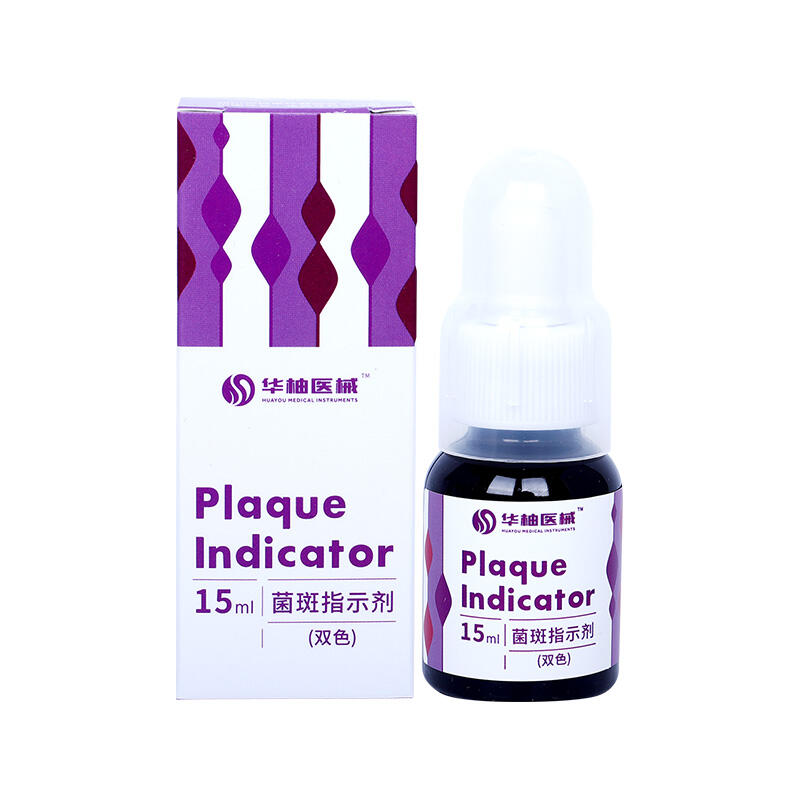
Konsideroni përfshirjen e solucioneve që zbulojnë plakun, të cilat theksojnë zonat ku akumulohet bakteria, duke ju ndihmuar të përdorni më saktë mjetin tuaj të heqjes së plakut dentar. Këto tregues ofrojnë një feedback të menjëhershëm rreth efikasitetit të pastrimit dhe ndihmojnë në identifikimin e zonave të problemit që qëndrojnë të papastruara dhe që kërkojnë vëmendje shtesë ose teknikë të modifikuar.
Mirëmbajtja dhe kujdesi për performancë optimale
Protokolle Për Pastrim Dhe Sanitizim
Mirëmbajtja e duhur e mjetit tuaj për heqjen e plakës së dhëmbëve siguron performancën optimale, zgjaton jetëgjatësinë e pajisjes dhe parandalon kontaminimin bakterial që mund të dëmtojë shëndetin e gojës. Vendosni rutina të përditshme pastrimi që përfshijnë larjen thellë të të gjitha pjesëve që veprojnë me salivën ose ujin, pas të cilës vjen tharja e plotë në ajër për të parandaluar rritjen e mikroorganizmave në mjedise të lagështa.
Protokollet e pastrimit të thellë javorë duhet të përfshijnë çmontimin e pjesëve të zëvendësueshme dhe dezinfektimin e tyre duke përdorur solucione antimikrobike të përshtatshme. Mos përdorni kimikate të ashpra ose agjentë pastrues të rrëshqitshëm që mund të dëmtojnë pjesët elektronike të ndjeshme ose trajtimet speciale sipërfaqësore. Zëvendësoni pjesët e konsumueshme, si koka të fshirës ose majat e irigacionit, sipas rekomandimeve të prodhuesit për të ruajtur efikasitetin maksimal.
Konsiderimet për Ruajtjen dhe Jetëgjatësinë
Faktorët ambientalë ndikojnë në mënyrë të konsiderueshme në përdorshmërinë dhe besueshmërinë e mjeteve elektronike për heqjen e plakut dental. Ruani pajisjet në vende të ftohta dhe të thata, larg dritës së drejtpërdrejtë të diellit dhe ekstremeve të temperaturës, të cilat mund të ndikojnë në performancën e baterisë ose të dëmtojnë komponentët e ndjeshëm. Mbuloni kontakte të ngarkimit nga lagështia dhe mbeturinat që mund të pengojnë transferimin e energjisë ose të shkaktojnë korrozion me kalimin e kohës.
Inspektimi i rregullt i kabllave të energjisë, të sigurimeve dhe të pikave të bashkimit ndihmon në identifikimin e problemeve potenciale para se ato të komprometojnë funksionalitetin e pajisjes. Shumica e mjeteve të avancuara për heqjen e plakut dental përfshijnë veçori diagnostike që monitorojnë metrikat e performancës dhe i njoftojnë përdoruesit për nevojat e mirëmbajtjes ose për zëvendësimin e komponentëve.
FAQ
Sa shpesh duhet të përdor një mjet për heqjen e plakut dental për rezultate optimale?
Për shumicën e individëve, përdorimi i një mjeti për heqjen e plakut dental në mënyrë të përditshme ofron kontrollin optimal të plakut dhe përfitime për shëndetin e gingive. Megjithatë, përdoruesit me gingiva të ndjeshme ose ata që janë të rinj në heqjen e avancuar të plakut duhet të fillojnë me përdorimin çdo dy ditë, duke rritur gradualisht frekuencën kur indejet përshtaten. Ata me sëmundje parodontale të avancuar mund të përfitojnë nga trajtimet dy herë në ditë nën udhëzim profesional.
A mund të zëvendësojnë mjete të plakut dental pastrimet dentare rregullare?
Megjithëse mjete të avancuara për heqjen e plakut dental përmirësojnë në mënyrë të konsiderueshme kujdesin oral në shtëpi, ato nuk mund të zëvendësojnë plotësisht pastrimet dhe kontrollimet dentare profesionale. Pastrimet profesionale heqin tartarin e ngurtësuar, të cilin pajisjet e shtëpisë nuk mund ta eliminonin, ndërsa kontrollimet dentare zbulojnë probleme që kërkojnë intervenim klinik. Përdorni mjetin tuaj për heqjen e plakut dental si një plotësim për kujdesin profesional rregullor, jo si zëvendësim i tij.
A ka ndonjë rrezik ose efekt anësor nga përdorimi i mjeteve për heqjen e plakut?
Kur përdoren në mënyrë të duhur, mjeteve për heqjen e plakut dhëmbor iu jepet përgjithësisht siguri me efekte anësore minimale. Disa përdorues mund të ndjejnë një sensitivitet të përkohshëm të fijave gjatë përdorimit fillestar, i cili zakonisht zvogëlohet kur indejet përshtaten. Shtypja e tepërt ose teknika e pasaktë mund të shkaktojnë irritim të fijave ose dëmtim të smaltit, duke theksuar rëndësinë e ndjekjes së udhëzimeve të prodhuesit dhe fillimit me rregullimet më konservatore.
Çfarë duhet të kërkoj kur zgjedh një mjet të parë për heqjen e plakut dhëmbor
Përdoruesit e parë duhet të vendosin në krye të listës lehtësinë e përdorimit, rregullimet e përshtashme të intensitetit dhe materiale instruktive të plotë kur zgjedhin një mjet për heqjen e plakut dhëmbor. Kërkojmë pajisje me mundësi të shumta të bashkëngjitjes për të adresuar nevoja të ndryshme shëndetësore orale, mbështetje të besueshme klienti dhe vlerësime pozitive nga përdoruesit me profile të ngjashme shëndetësore orale. Merrni parasysh fillimin me modele të mesme që ofrojnë veçori profesionale pa komplikuar shumë.
Përmbajtja
- Kuptimi i formimit të plakut dhe nevoja për mjete specializuar
- Llojet e mjeteve të avancuara për heqjen e plakut dental
- Zgjedhja e Mjetit të Saktë për Heqjen e Plakës Dhëmbore për Nevojat Tuaja
- Teknikat profesionale për efikasitet maksimal
- Mirëmbajtja dhe kujdesi për performancë optimale
-
FAQ
- Sa shpesh duhet të përdor një mjet për heqjen e plakut dental për rezultate optimale?
- A mund të zëvendësojnë mjete të plakut dental pastrimet dentare rregullare?
- A ka ndonjë rrezik ose efekt anësor nga përdorimi i mjeteve për heqjen e plakut?
- Çfarë duhet të kërkoj kur zgjedh një mjet të parë për heqjen e plakut dhëmbor