
 EN
EN

Dental professionals face unique occupational challenges that extend far beyond patient care. Among the most pressing concerns affecting dentists worldwide is the persistent issue of hand and wrist fatigue during extended procedures. This physical strain, commonly referred to as dentist hand fatigue, represents a significant occupational hazard that can impact both career longevity and quality of patient care. Understanding the underlying causes and exploring innovative solutions, including ergonomic handles and supportive equipment, becomes crucial for maintaining professional excellence while protecting personal health.
Understanding the Root Causes of Hand Fatigue in Dental Practice
Repetitive Motion Stress and Microtrauma
The dental profession demands precise, repetitive movements that place tremendous stress on the small muscles and joints of the hands and wrists. Dentist hand fatigue develops gradually through countless scaling motions, drilling procedures, and delicate manipulations required for restorative work. These repetitive actions create microtrauma in soft tissues, leading to inflammation and reduced circulation in the affected areas. Over time, this cumulative stress manifests as chronic pain, reduced grip strength, and decreased manual dexterity.
Research indicates that dental professionals perform between 10,000 to 15,000 repetitive hand movements during a typical workday. Each movement, while seemingly minor, contributes to the overall mechanical load on musculoskeletal structures. The precision required in dental procedures often necessitates maintaining static grip positions for extended periods, which restricts blood flow and accelerates the onset of dentist hand fatigue symptoms.
Biomechanical Factors Contributing to Strain
The biomechanics of dental work create inherent challenges for hand and wrist health. Dentists frequently work with their hands elevated above heart level, which impedes venous return and contributes to swelling and discomfort. The need for precise control often results in excessive grip force, particularly when using traditional dental instruments without ergonomic considerations. This excessive force requirement accelerates muscle fatigue and increases the risk of developing chronic pain conditions.
Additionally, the angular positioning required to access different areas of the oral cavity forces the wrists into non-neutral positions. These deviated wrist angles compress tendons and restrict normal biomechanical function, creating conditions that promote dentist hand fatigue development. The combination of sustained grip force, elevated arm positioning, and non-neutral wrist angles creates a perfect storm for musculoskeletal disorders.
Ergonomic Handle Design Features and Benefits
Advanced Grip Technologies
Modern ergonomic handles incorporate sophisticated design elements specifically engineered to combat dentist hand fatigue. These handles feature enlarged diameters that distribute grip pressure across a larger surface area, reducing localized stress concentrations. Textured surfaces with strategic patterns enhance grip security while minimizing the force required to maintain control during procedures. Some advanced designs incorporate cushioned grips made from specialized polymers that conform to individual hand anatomy.
Weight distribution represents another critical aspect of ergonomic handle design. Properly balanced instruments reduce the muscular effort required to maintain stable positioning during extended procedures. Some manufacturers integrate lightweight materials such as titanium alloys or carbon fiber composites to achieve optimal weight reduction without compromising structural integrity or tactile feedback essential for precise dental work.
Customizable Ergonomic Solutions
Recognition that hand anatomy varies significantly among dental professionals has led to the development of customizable ergonomic solutions. Adjustable handle systems allow practitioners to modify grip diameter, angle, and even surface texture to match their specific anthropometric requirements. These personalized solutions can significantly reduce dentist hand fatigue by optimizing the interface between practitioner and instrument.
Some innovative systems feature modular components that can be interchanged based on the specific procedure being performed. This adaptability ensures optimal ergonomic positioning regardless of whether the dentist is performing routine cleanings, complex restorative work, or surgical procedures. The ability to customize equipment to individual needs represents a significant advancement in preventing and managing hand fatigue issues.
Comprehensive Equipment Solutions Beyond Handles
Supportive Seating Systems
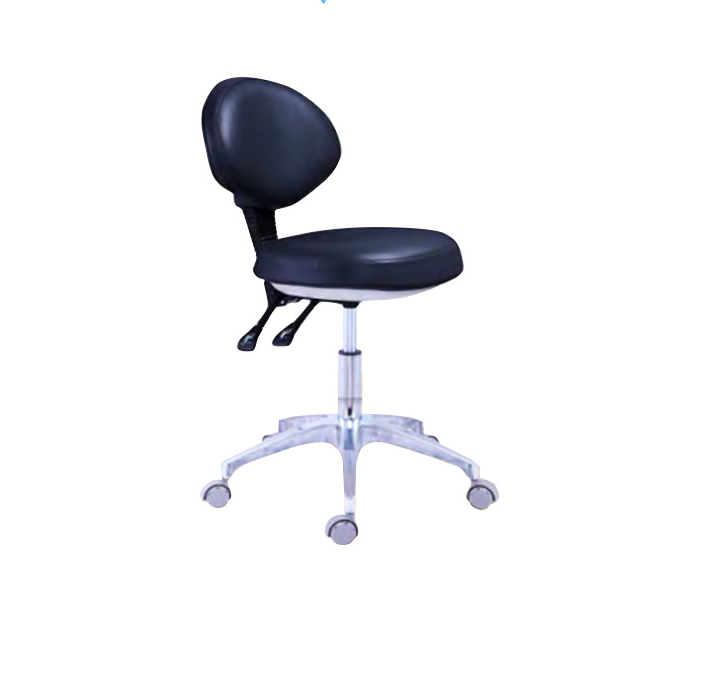
While ergonomic handles address instrument-related factors contributing to hand fatigue, comprehensive solutions must also consider overall workstation ergonomics. Advanced dental chairs designed with proper support systems can significantly impact the development of dentist hand fatigue by promoting optimal body positioning during procedures. These systems incorporate adjustable armrests that support the forearms and reduce static loading on shoulder and neck muscles.
Proper seating positioning allows dentists to maintain more neutral wrist positions while working, reducing the angular stress that contributes to fatigue development. Height-adjustable features ensure that practitioners can position themselves at optimal working distances without compromising their natural biomechanics. This comprehensive approach to ergonomics addresses the interconnected nature of musculoskeletal stress throughout the kinetic chain.
Auxiliary Support Equipment
Modern dental practices increasingly incorporate auxiliary support equipment designed to minimize the physical demands placed on practitioners. Magnification systems with proper head and neck positioning reduce the need for awkward postural adaptations that contribute to overall fatigue. Adjustable lighting systems eliminate the need for frequent repositioning and reaching movements that can exacerbate hand and wrist strain.
Ultrasonic scaling systems represent another technological advancement that can reduce dentist hand fatigue. These systems require significantly less manual force compared to traditional hand scaling instruments, reducing the cumulative mechanical stress on hands and wrists. The reduced force requirements allow practitioners to maintain lighter grip pressures while achieving superior clinical outcomes.
Implementation Strategies for Ergonomic Solutions
Assessment and Selection Process
Implementing effective solutions for dentist hand fatigue requires a systematic approach to assessment and equipment selection. Practitioners should begin by conducting honest evaluations of their current symptoms, work habits, and existing equipment limitations. This self-assessment helps identify specific areas where ergonomic interventions are most likely to provide meaningful benefits.
Professional ergonomic assessments conducted by occupational health specialists can provide valuable insights into biomechanical factors contributing to fatigue development. These assessments often reveal subtle postural or movement patterns that practitioners may not recognize independently. The objective analysis helps prioritize equipment modifications and establishes baseline measurements for monitoring improvement over time.
Gradual Adaptation and Training
Successful implementation of ergonomic solutions requires patience and systematic adaptation. Dentist hand fatigue symptoms typically develop over years, and resolution requires time for tissues to adapt to improved biomechanics. Practitioners should expect a gradual transition period when introducing new ergonomic equipment, allowing time for neuromuscular adaptation to modified movement patterns.
Training programs focused on proper ergonomic techniques can enhance the effectiveness of equipment modifications. These programs teach practitioners how to optimize their use of ergonomic features while developing awareness of fatigue-inducing behaviors. Regular training updates ensure that practitioners continue to maximize the benefits of their ergonomic investments as they gain experience with new equipment.
Long-term Health and Career Benefits
Career Longevity and Sustainability
Addressing dentist hand fatigue through comprehensive ergonomic solutions provides significant long-term benefits for career sustainability. Dental professionals who proactively manage their occupational health risks can maintain their technical skills and clinical effectiveness well into their later career years. This longevity not only benefits individual practitioners but also helps address workforce shortages in dental healthcare.
Prevention of chronic musculoskeletal disorders through ergonomic interventions eliminates the need for costly medical treatments and potential career interruptions. Practitioners who invest in proper ergonomic equipment often report maintained or improved clinical outcomes alongside reduced physical discomfort. This combination of improved health and professional performance creates a positive feedback cycle that enhances overall career satisfaction.
Enhanced Patient Care Quality
Reduction in dentist hand fatigue directly translates to improved patient care quality through enhanced precision and reduced treatment time. Practitioners experiencing less physical discomfort can maintain better focus and attention to detail throughout long procedures. The improved comfort allows dentists to spend more time on complex cases without compromising their technical abilities or patient safety.
Ergonomic improvements often enable practitioners to extend their daily schedules or take on more complex cases without experiencing excessive fatigue. This increased capacity can improve practice productivity while maintaining high standards of patient care. The combination of improved practitioner comfort and enhanced clinical outcomes represents a significant return on investment for ergonomic equipment purchases.
FAQ
What are the most common symptoms of dentist hand fatigue?
The most common symptoms include persistent aching in the hands and wrists, reduced grip strength, tingling or numbness in the fingers, stiffness after periods of inactivity, and decreased manual dexterity. These symptoms typically worsen throughout the workday and may persist into evening hours or weekends in severe cases.
How quickly can ergonomic interventions reduce hand fatigue symptoms?
Most practitioners notice some improvement within 2-4 weeks of implementing proper ergonomic solutions. However, significant symptom reduction and tissue healing typically require 8-12 weeks of consistent use. The timeline depends on the severity of existing symptoms and the comprehensiveness of the ergonomic interventions implemented.
Are there specific exercises that can help prevent dentist hand fatigue?
Yes, targeted stretching and strengthening exercises can significantly reduce the risk of developing hand fatigue. Recommended exercises include wrist flexor and extensor stretches, finger tendon glides, grip strengthening exercises, and nerve mobilization techniques. These exercises should be performed regularly throughout the day and as part of a comprehensive prevention program.
What should practitioners look for when selecting ergonomic dental instruments?
Key features to consider include appropriate handle diameter for your hand size, lightweight construction, balanced weight distribution, non-slip grip surfaces, and compatibility with existing dental systems. Practitioners should also consider the specific procedures they perform most frequently and select instruments optimized for those applications to maximize ergonomic benefits.